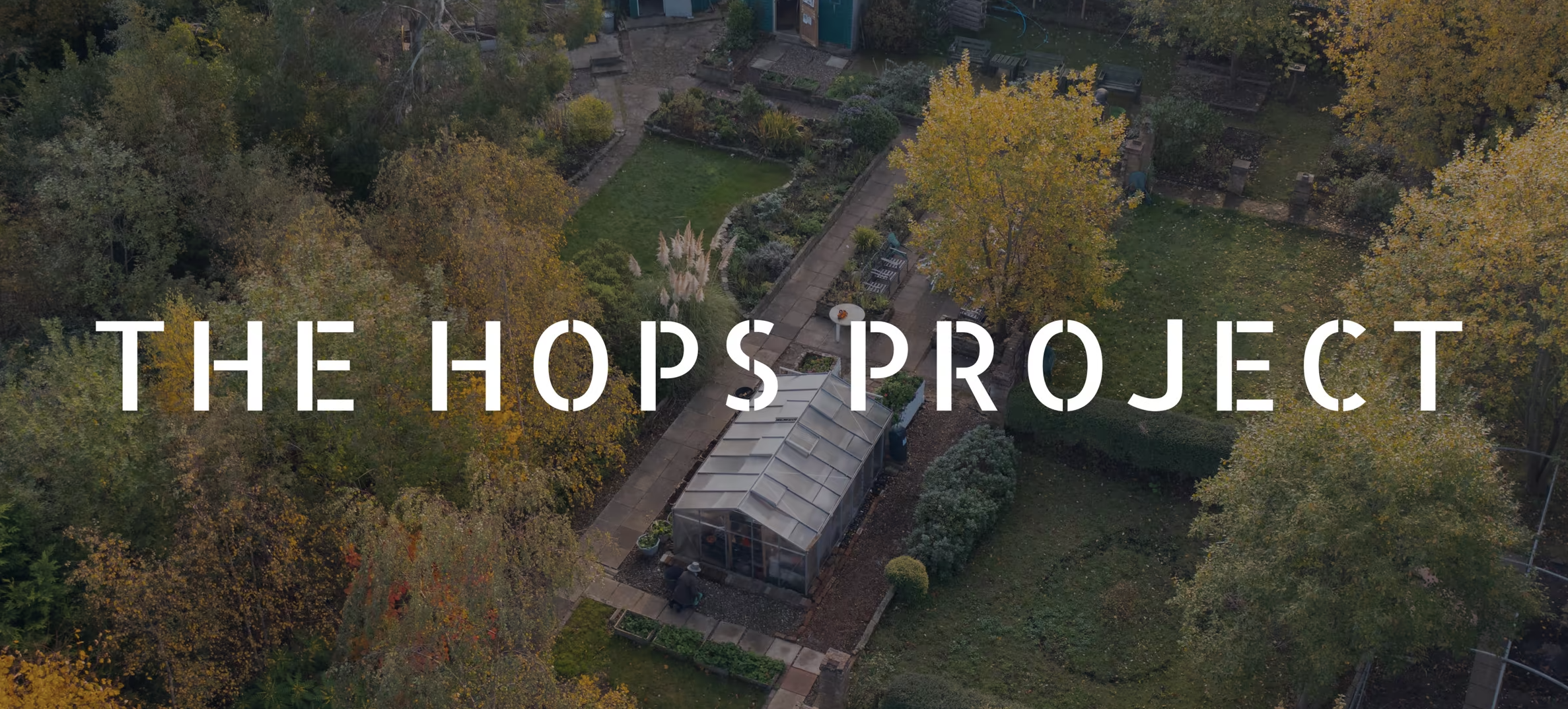
This incredible film documents the work of Make Hamilton Square, The Callister Trust, local growers and brewers Brimstage to cultivate and harvest hops for their very own Birkenhop beer in the summer of 2022.
Rurban Revolution is a research project led by academics from Lancaster, Liverpool and Cranfield Universities. It focuses on the potential of urban food growing to transform our food system to be healthier, fairer and more sustainable.
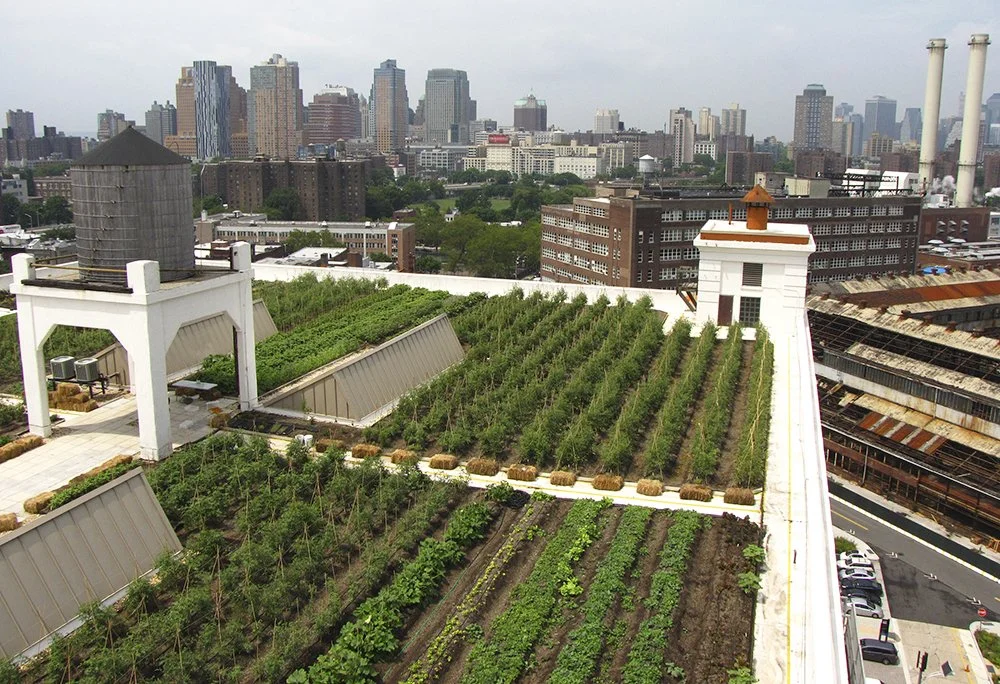
We want to share groundbreaking research to support and inform food growers across the network. In this article we look at how urban green spaces in Great Britain, at their upper limit, have the capacity to support production that is 8× greater than the current domestic production of fruit and vegetables.
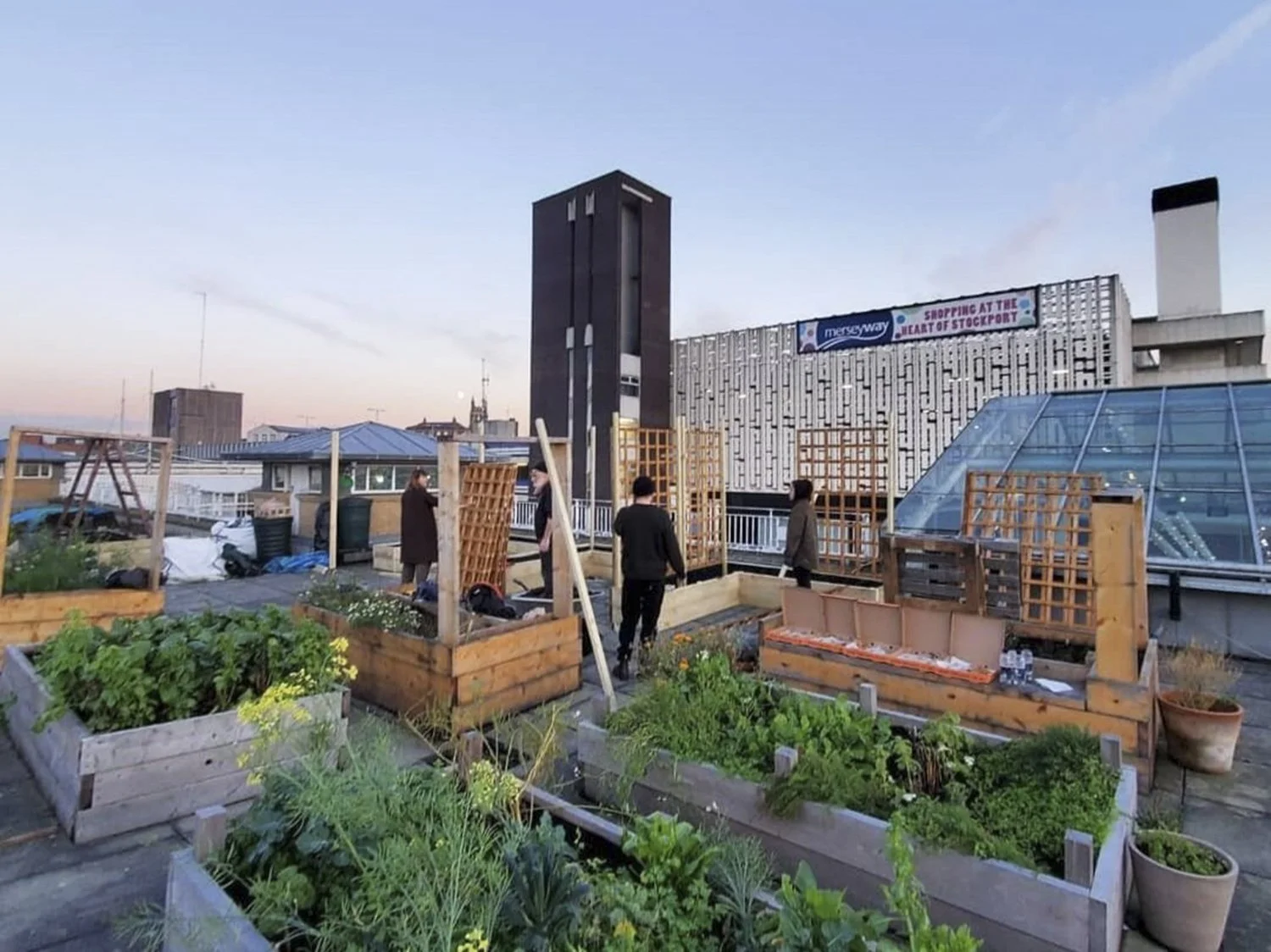
The Landing, Rooftop Farm, Stockport
“Urban agriculture and more people ‘growing their own’ could play an important role in reducing our reliance on imports, and bolster resilience against disruptions in supply, without converting areas of nature to agriculture, or further intensifying farming. But it was not clear what the extent of that role could be at a national scale, until now.” Professor Jess Davies
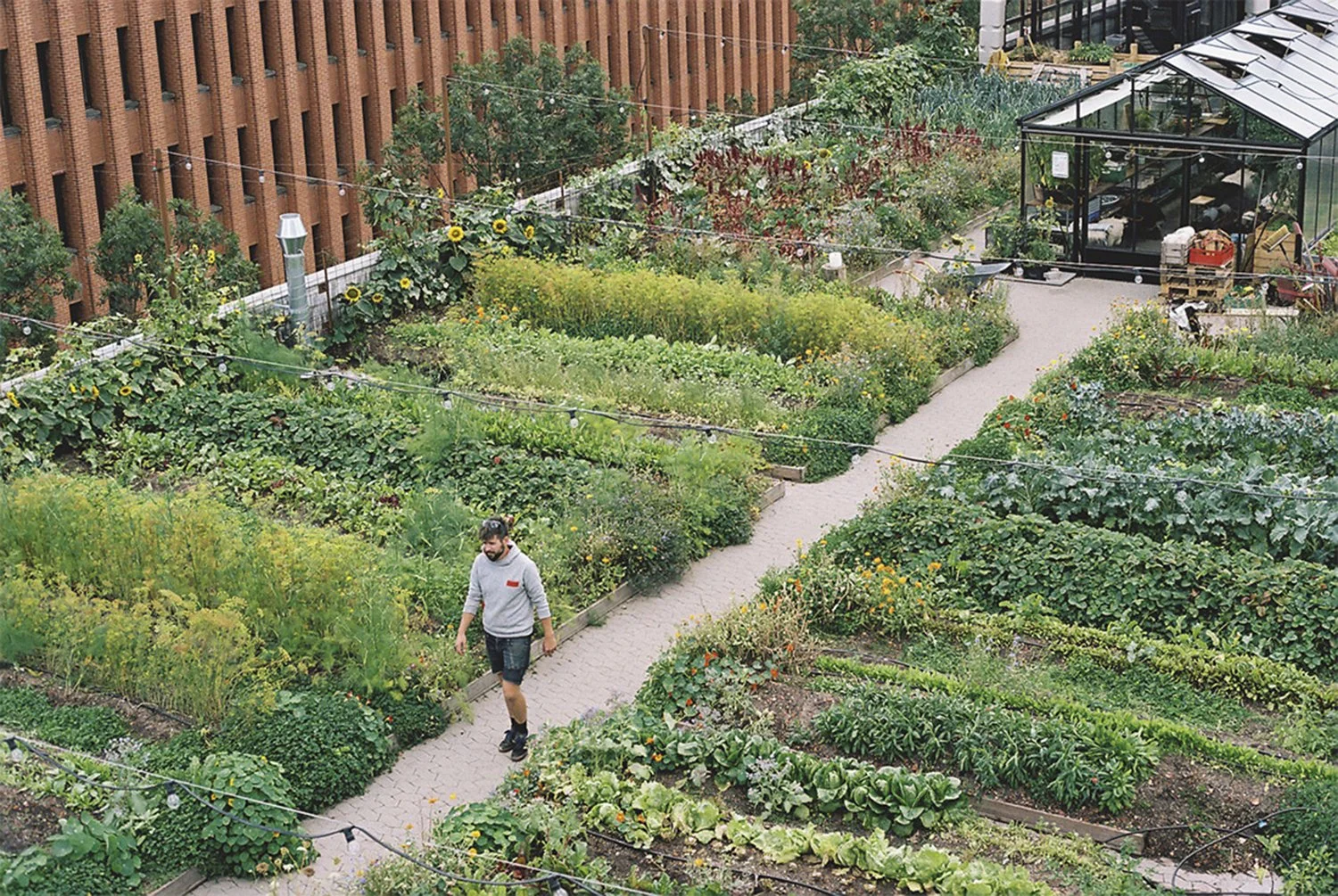
Oestergro Rooftop Farm, Copenhagen.
Britain’s towns and cities have the potential to support an urban agricultural revolution that would help meet the dietary needs of a growing population, boost the nation’s health and wellbeing, as well as reduce reliance on imports, a new study reveals.
In the first national-level study of its kind, a team of researchers led by scientists at Lancaster University set out to discover if there is sufficient green space, such as private gardens, parks and other recreational areas, within our towns and cities to grow enough fresh food to feed local populations.
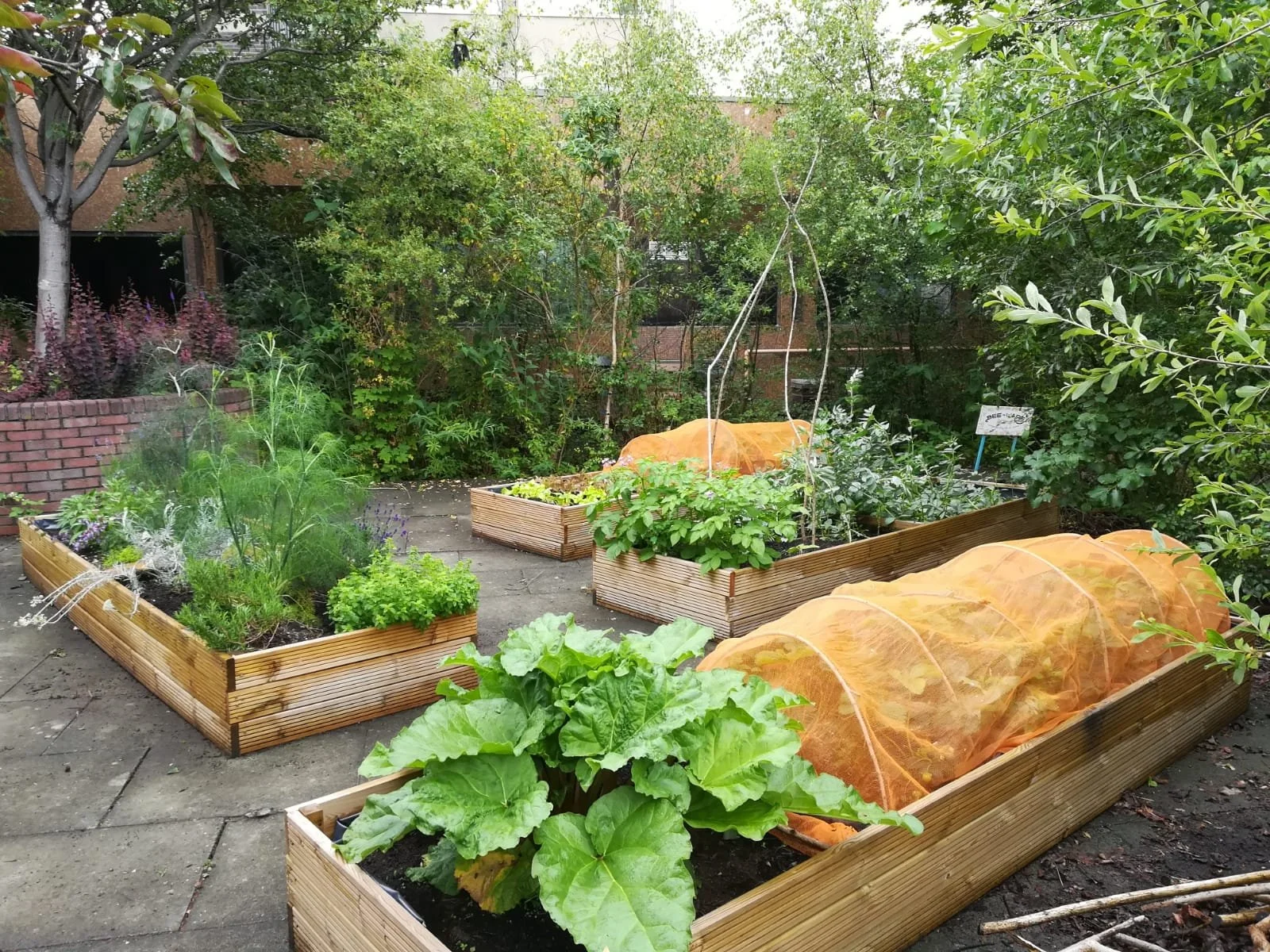
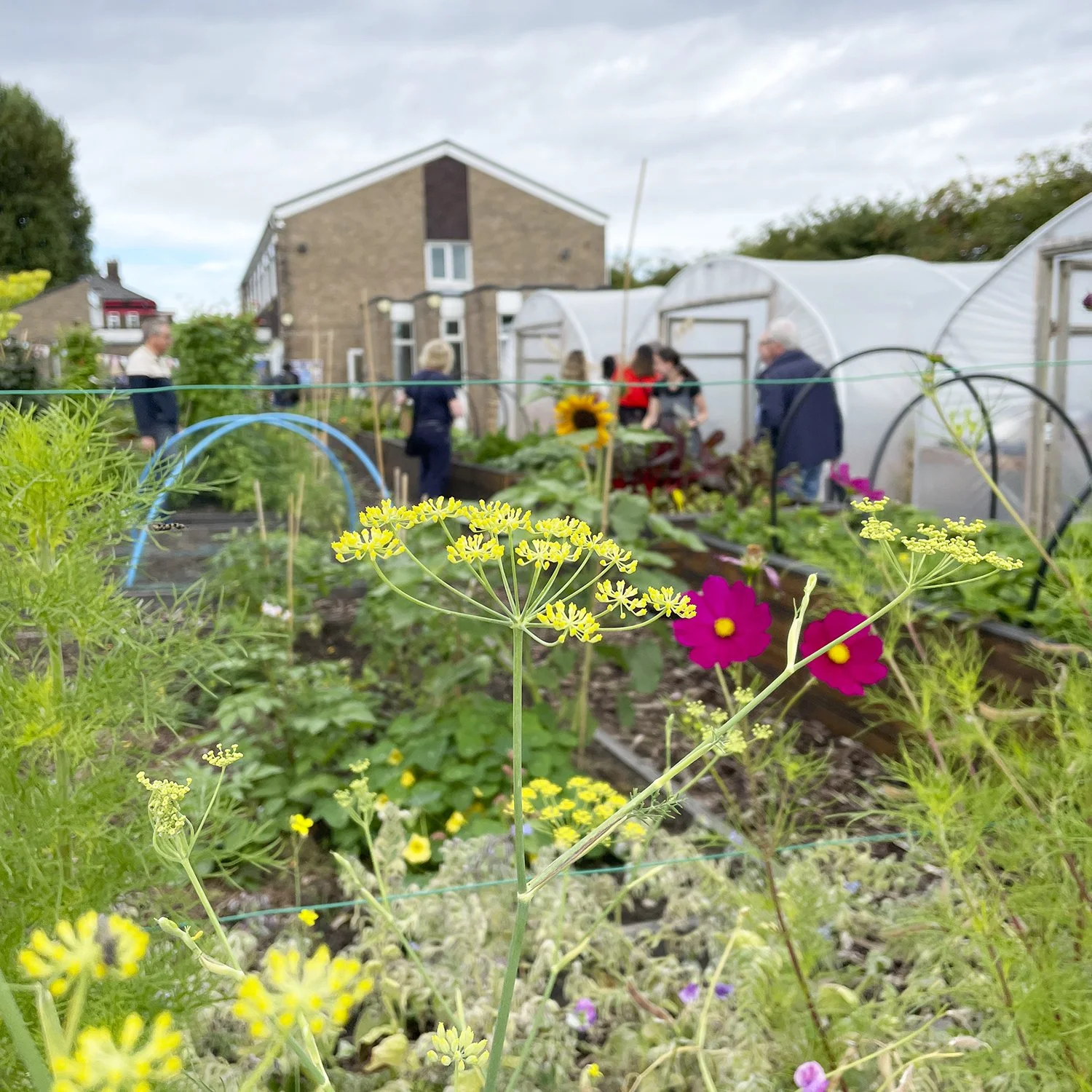
Make Hamilton Square, Birkenhead.
The UK relies heavily on imports to meet its demand for fresh food, with more than a third of food coming from overseas. This can leave the nation exposed to disruptions in supply chains, such as those recently experienced with Brexit and Covid-19, leaving some shelves empty. And climate change presents another rising threat to these supplies, as much of our fresh fruit and veg comes from drought-prone regions.
“Britain is a densely-populated country that is highly reliant on imported fresh fruit and vegetables, and meeting the dietary needs of a growing urban population in a sustainable manner is a significant challenge,” said Professor Jess Davies, Principal Investigator of the study. “Finding ways in which Britain could increase food self-sufficiency is of increasing importance for securing our future food supply.
“Urban agriculture and more people ‘growing their own’ could play an important role in reducing our reliance on imports, and bolster resilience against disruptions in supply, without converting areas of nature to agriculture, or further intensifying farming. But it was not clear what the extent of that role could be at a national scale, until now.”
To read the full article and and explore the research findings click below.
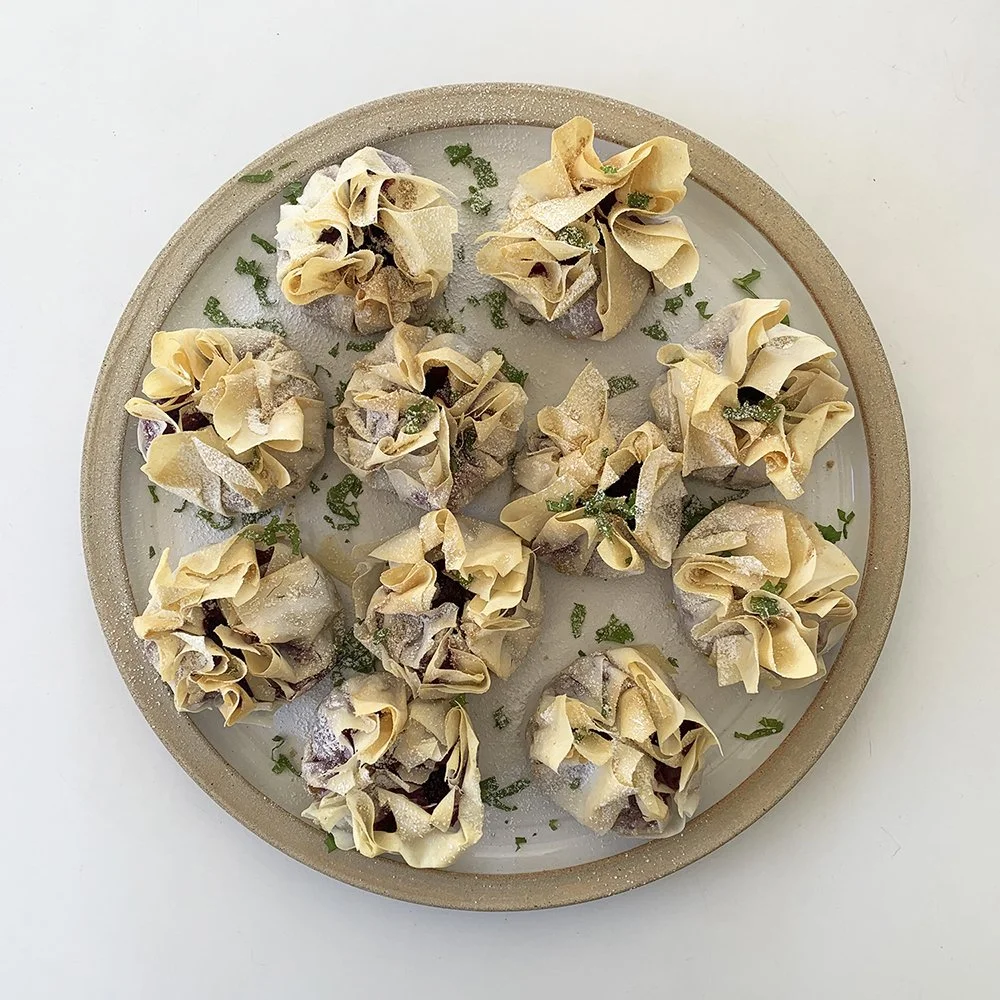
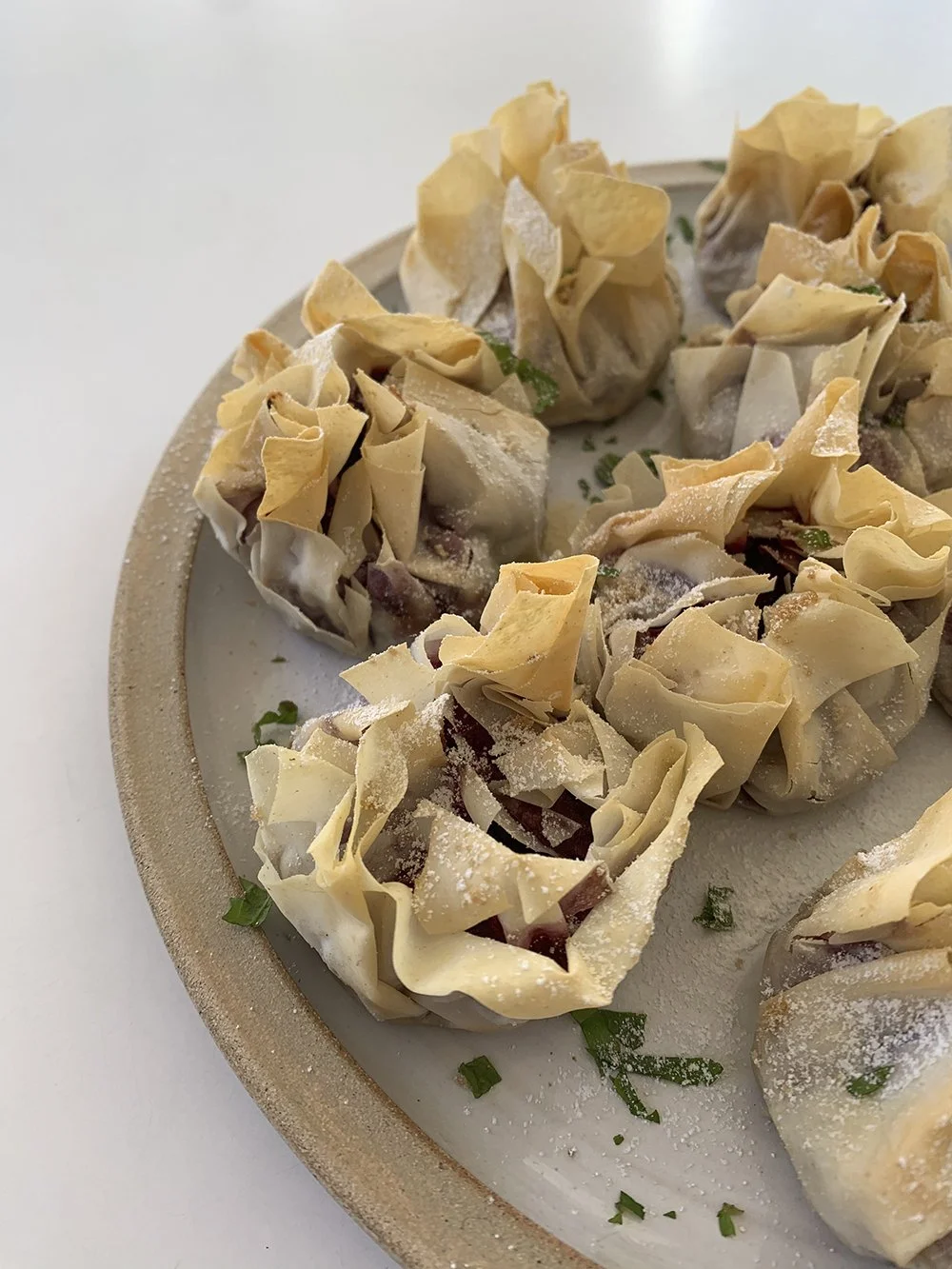
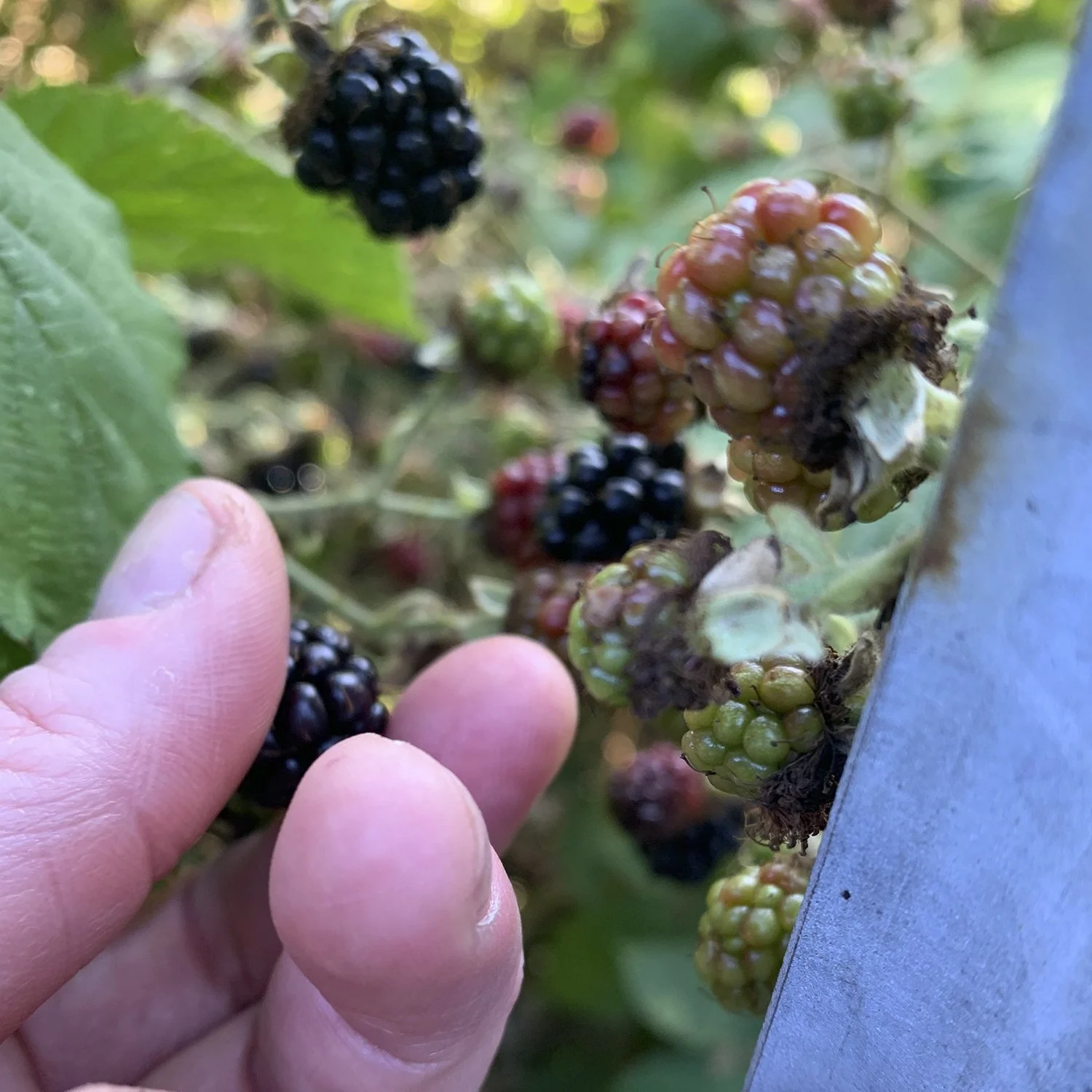
There’s nothing better than foraging for your dinner! These super simple filo pastry “pies” combine foraged brambles and Autumn apples to create delicious little parcels of fruit and spice. And don’t forget that Liverpool is full of apple trees so there should always be someone giving some away!
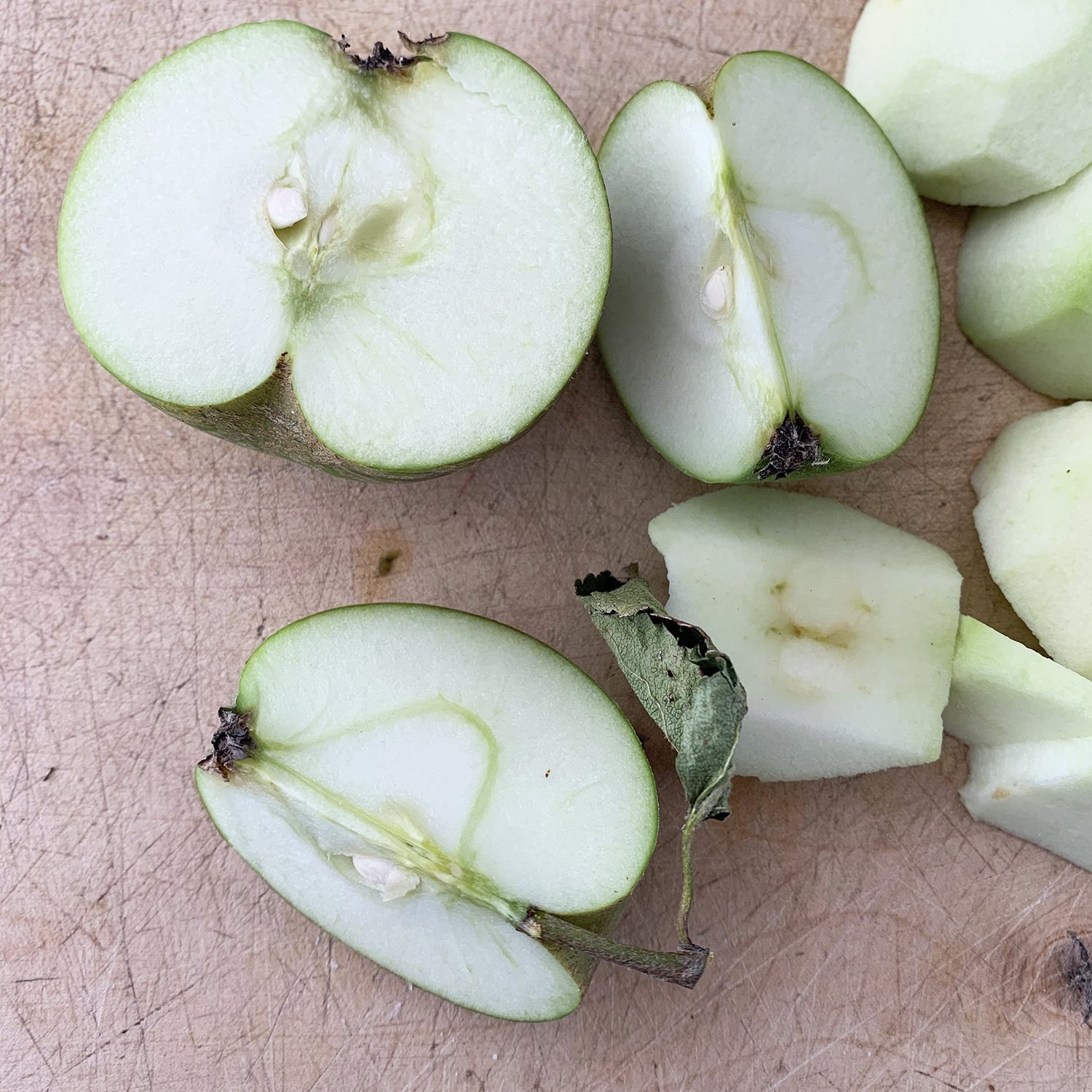
Peel and core your apples and chop into small pieces.
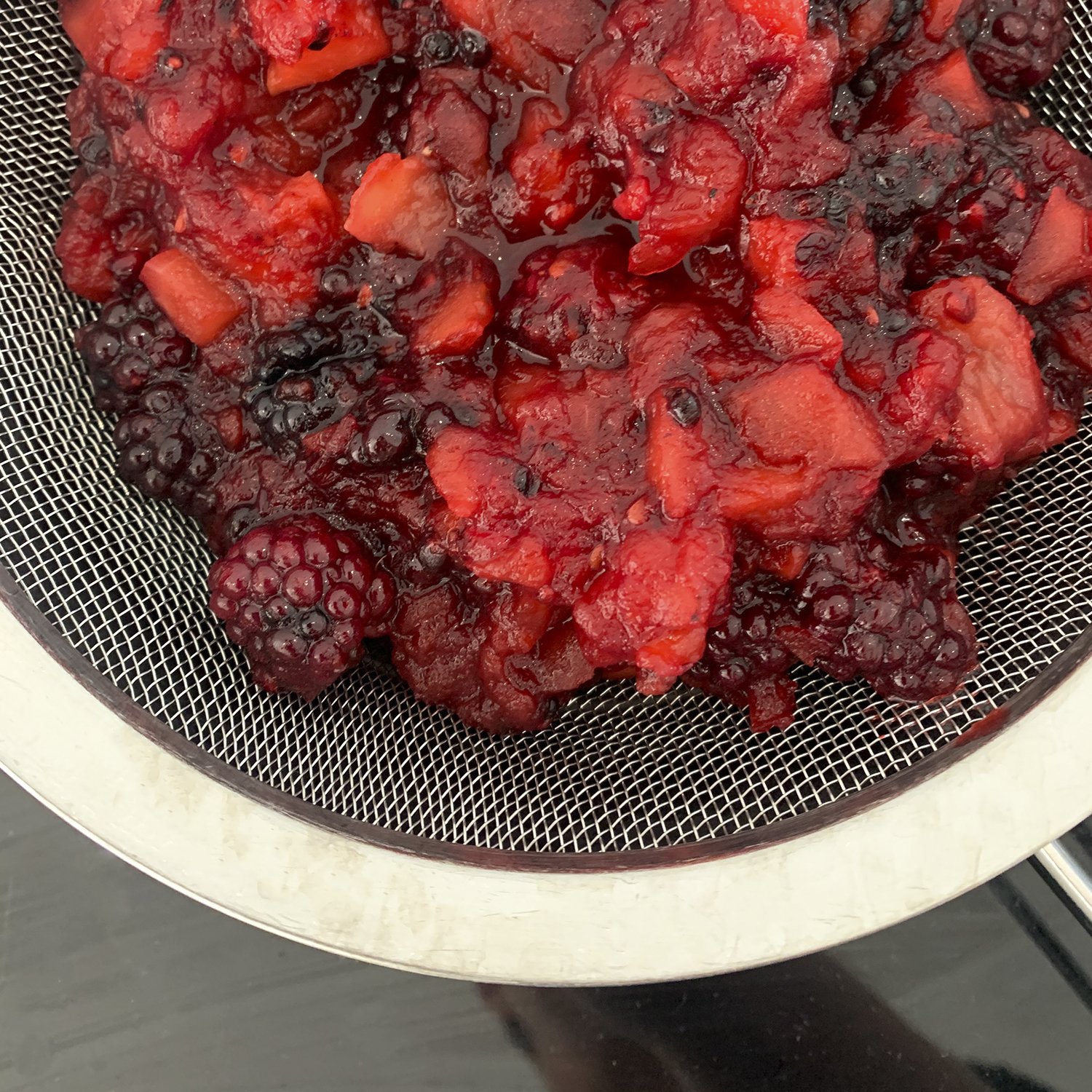
Put apples in a pan with a splash of water and spices of your choice. Fresh ginger or ground cinnamon work brilliantly. Add a spoonful of sugar or honey if you like a sweet mix or leave out if you like a more tart taste.
Stew on a low heat until the apples are soft but not mush.
Stir in a handful of washed brambles. Put the mix in a sieve over a bowl and allow some of the excess juices to drain off – keep this juice, it’s amazing on top of yoghurt or porridge.
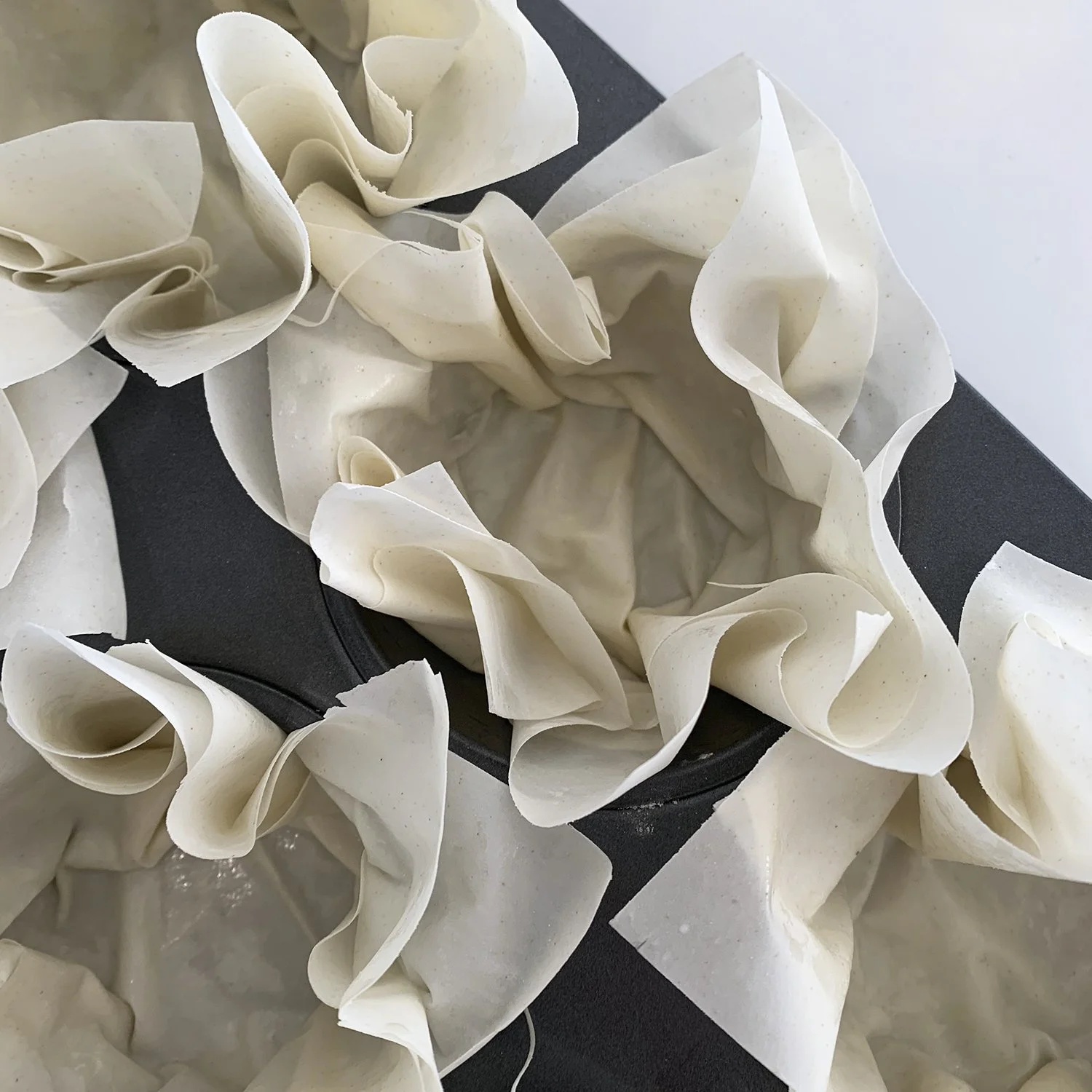
Lightly grease a muffin tray and preheat your oven according to filo packet instructions.
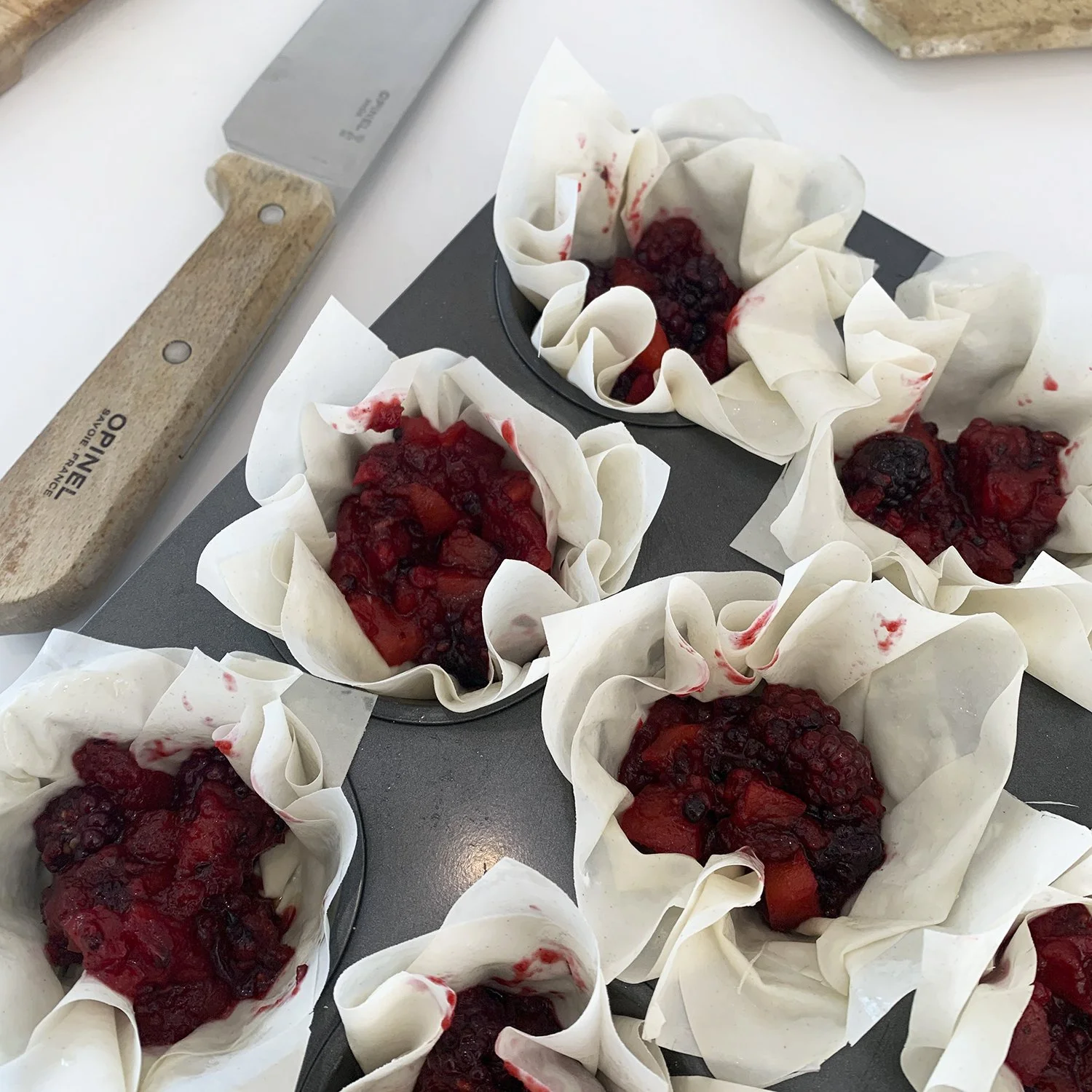
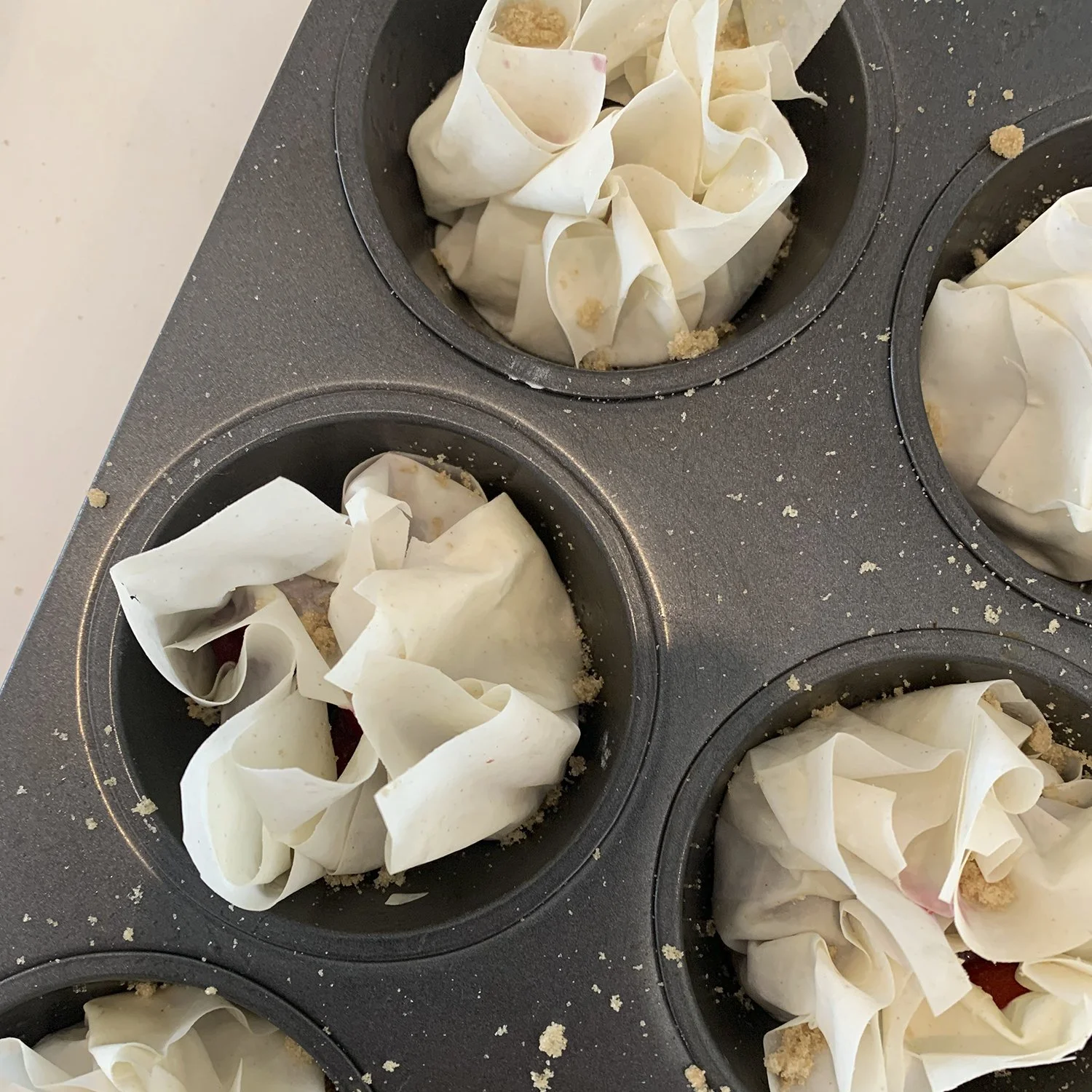
Cut pre-made filo pastry sheets into squares, roughly overlap 3-4 pieces per pie and press gently into the muffin trays to create pockets which are ready to fill with your mix.
Top up each pocket with apple and bramble mix and slightly squeeze the top of each parcel together to gently close the pastry. Sprinkle with a little brown sugar.
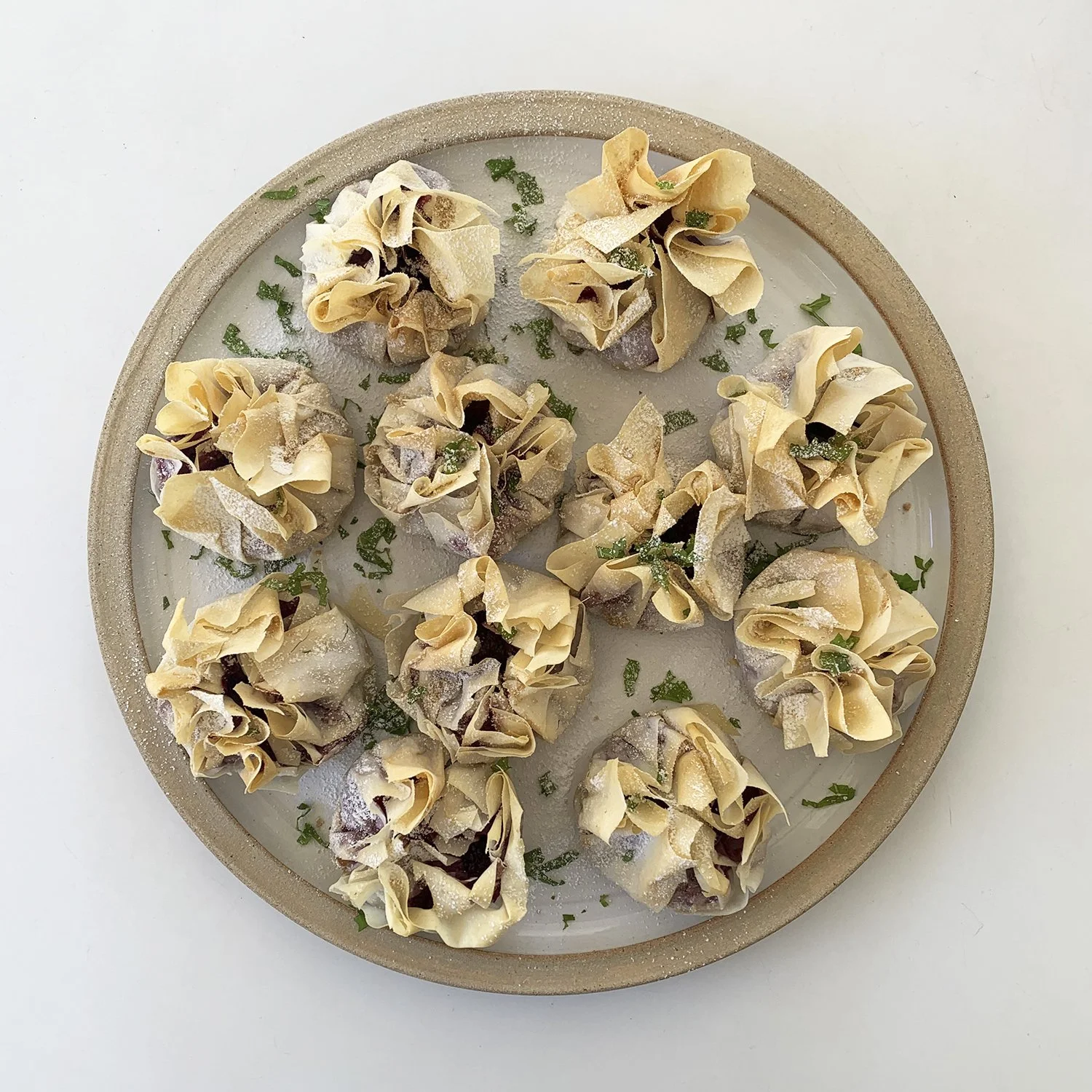
Pop in the oven and bake for 12-15 minutes or until the filo pastry is golden brown and crisp on the edges.
Plate up with a sprinkle of icing sugar.
These mini-pies taste amazing with a bit of custard or ice cream and a scatter of chopped mint. Enjoy!
‘Stop digging and start to truly understand the needs of your soil, for bumper harvests of healthier crops. Charles Dowding has spent a lifetime perfecting his no dig system of growing. At its core is an awareness that soil vitality is a dynamic process, involving a web of organisms which we can easily feed and support, enabling our plants to grow strong and healthy, in a weed-free environment. With clear step-by-step instructions on how to set up a no dig plot, and detailed cultivation advice for over 80 crops, this book will revolutionise the way you grow.’
I recently had the pleasure of taking part in Charles Dowding’s No-Dig weekend course. As a long time grower, I have become more and more interested in the no-dig method and the concept of regenerative growing. I’ve been there with double digging, turning the soil at the end of summer, digging up lawns to put in veg beds… it can be exhausting, back breaking work and now I realise it just isn’t necessary.
But not only does no-dig provide a simpler route to creating new growing spaces but it has a huge impact on soil health, carbon capture and building beneficial microbes in your plot.
Charles has been a champion and teacher of the no-dig method since 1982 and runs a hugely successful market garden in Somerset which grows a vast array of incredible produce and acts as his no-dig classroom. He is also a prolific Youtuber with videos which will answer pretty much any vegetable growing question. We asked him if we could share his videos to spread the word about no-dig and he said yes! Thanks Charles!
So let’s start with the basics… how to get started with a no-dig bed.
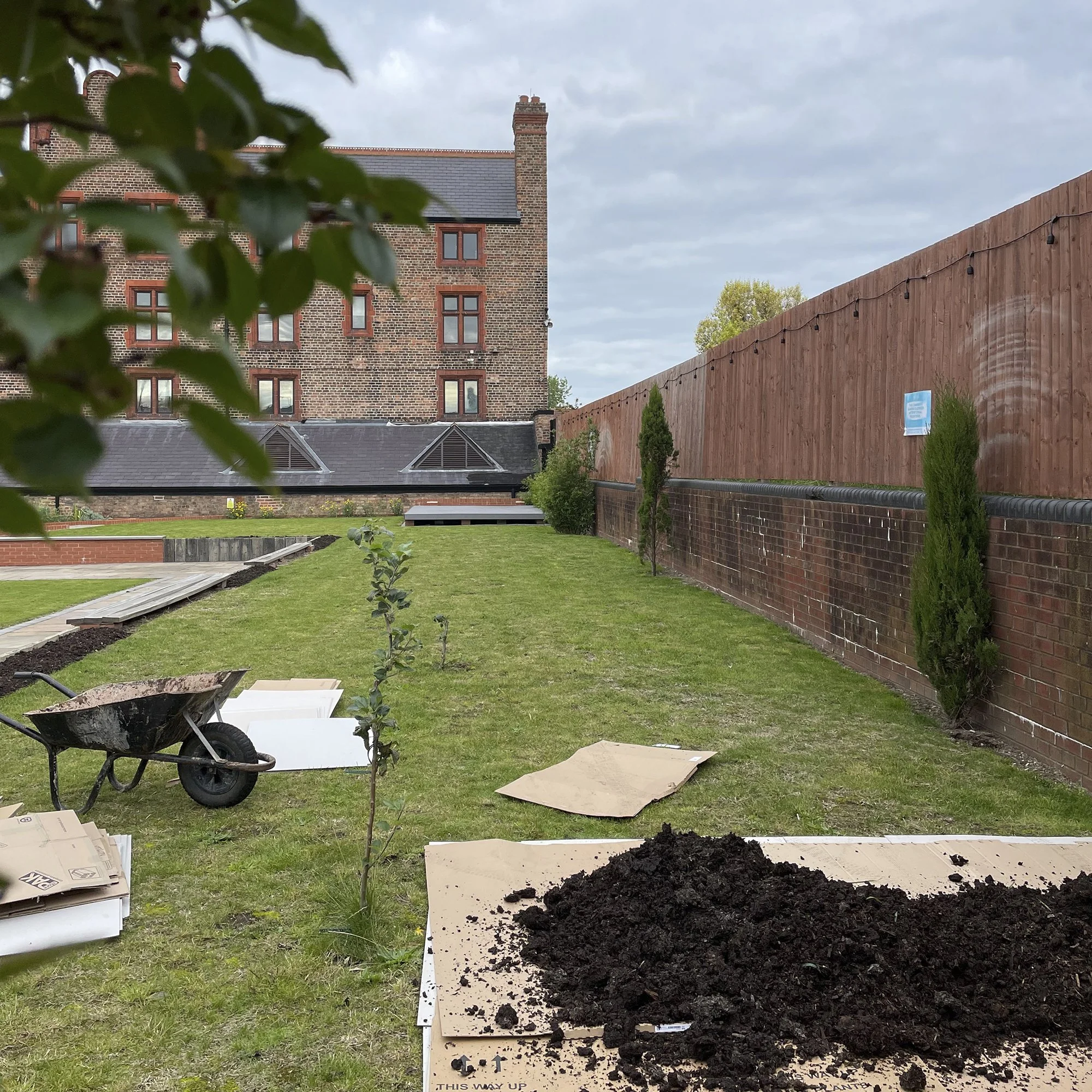
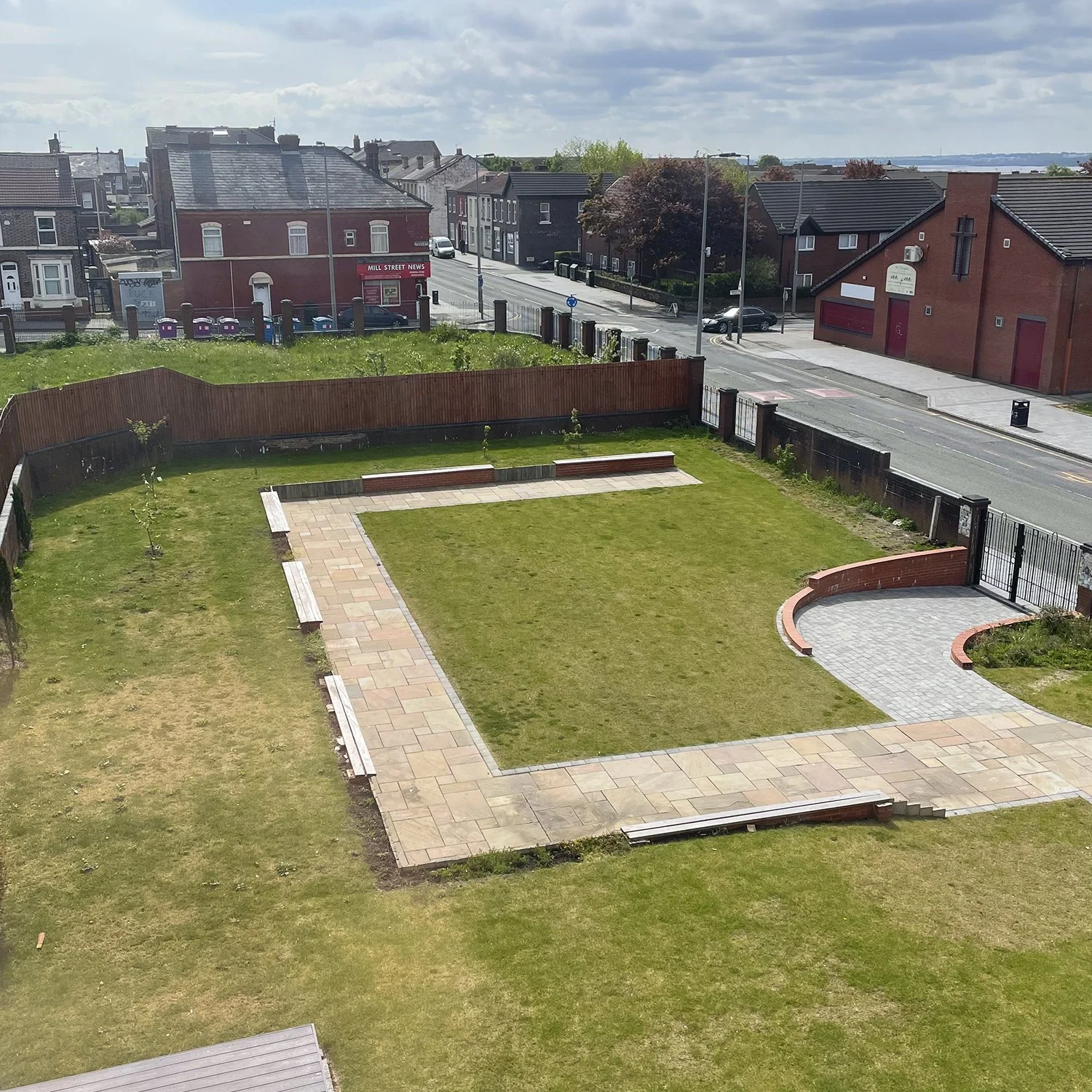
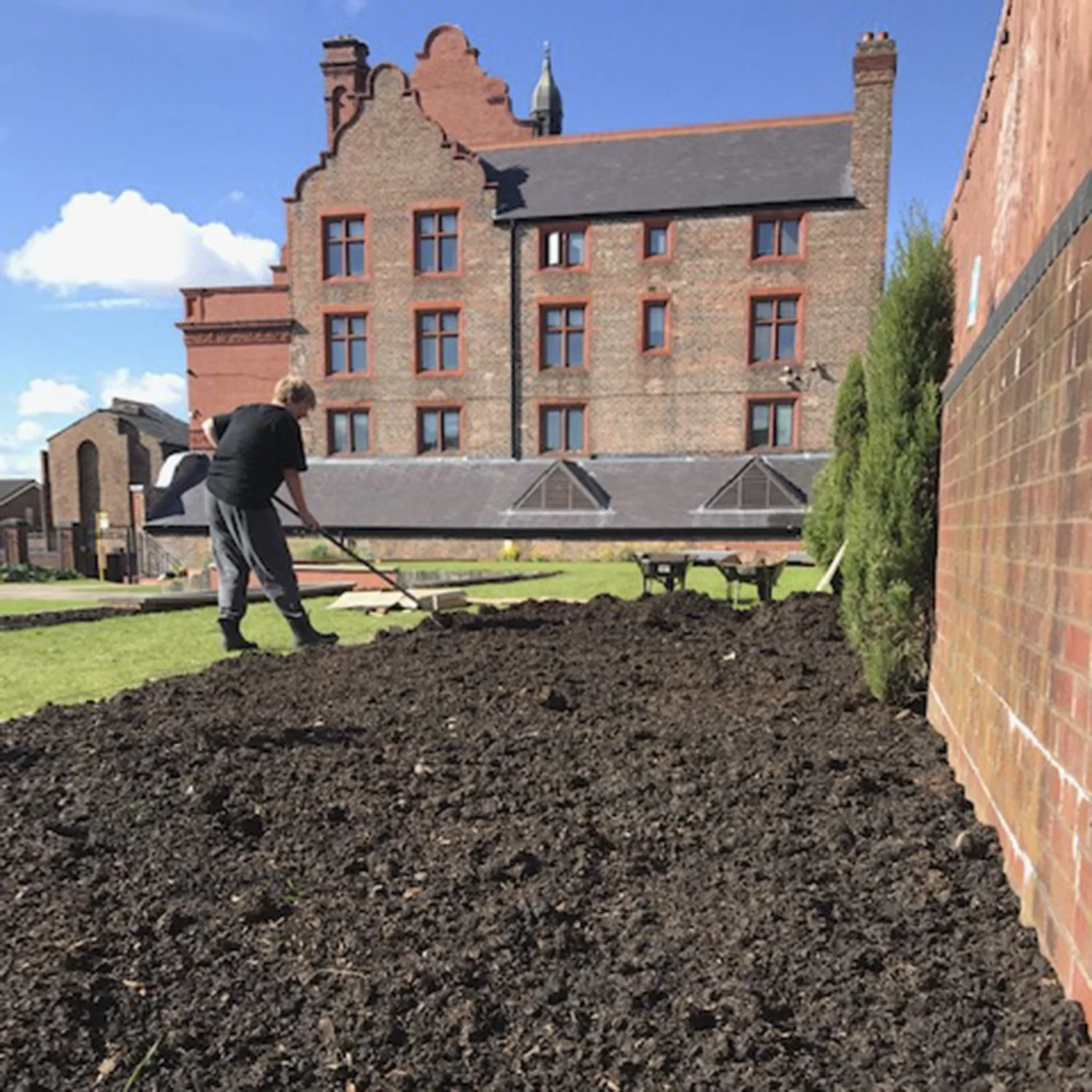
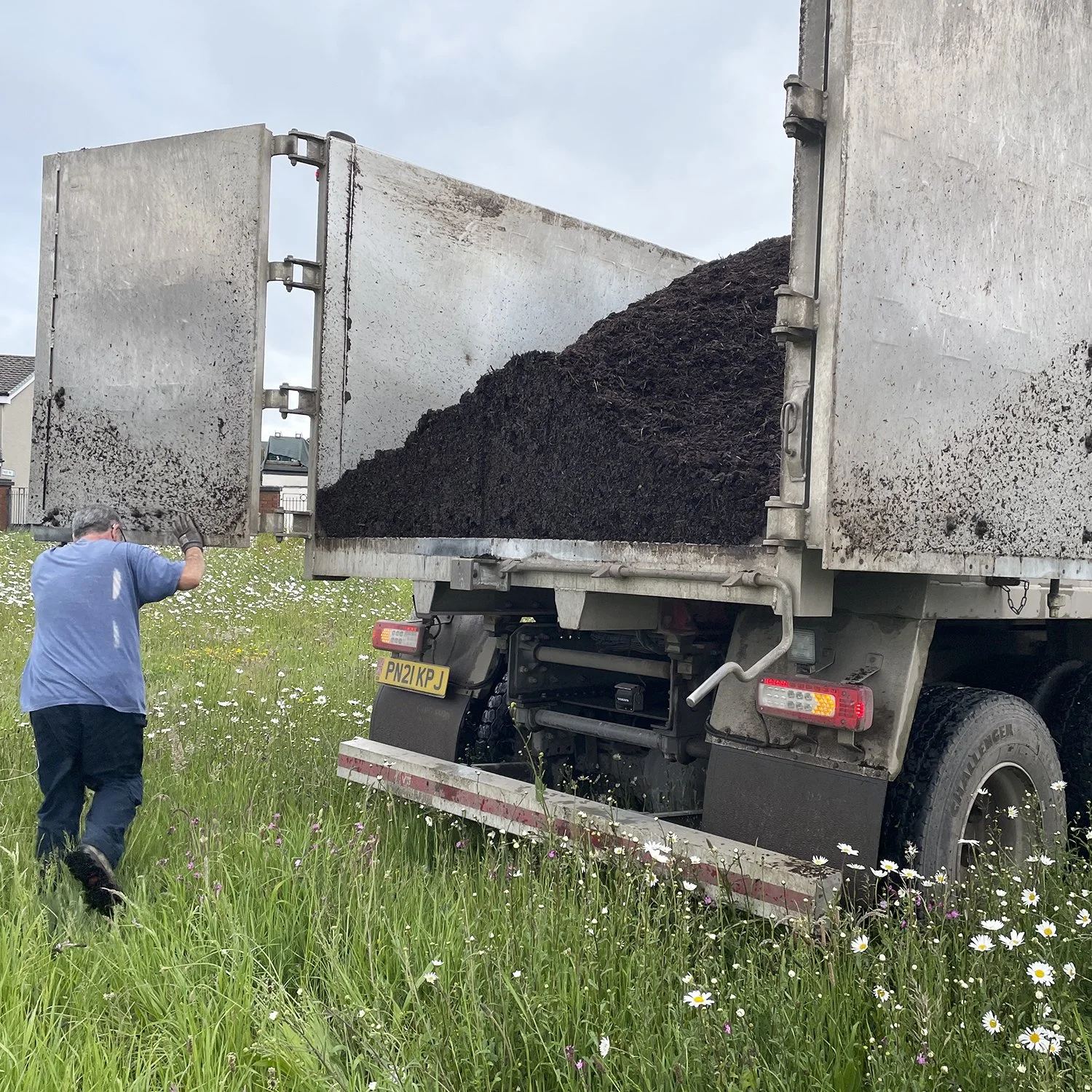
I recently started a community growing project at The Florrie in the heart of the Dingle. We have a beautiful space on Mill Street with the worst soil and a lot of lawn so no-dig seemed like the best route to growing success. We have recently started to install a huge bed ready for Spring 2023 using Dowding’s cardboard and compost method. I wont pretend it was easy – barrowing a 100 loads of compost was hard work and the weather was shocking for most of the build – but we haven’t dug up any lawns and our spades haven’t broken soil. We’ll keep you posted as planting starts in the coming months. I’m feeling very optimistic!
Let us know if you have been using the no-dig method, send us your photos and stories to share with the network.
And thanks so much to Charles Dowding for sharing his knowledge. To find out more about No-Dig we would recommend checking out Charles’ website here.
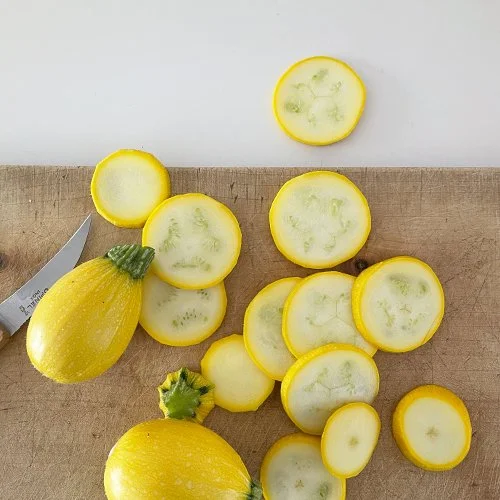
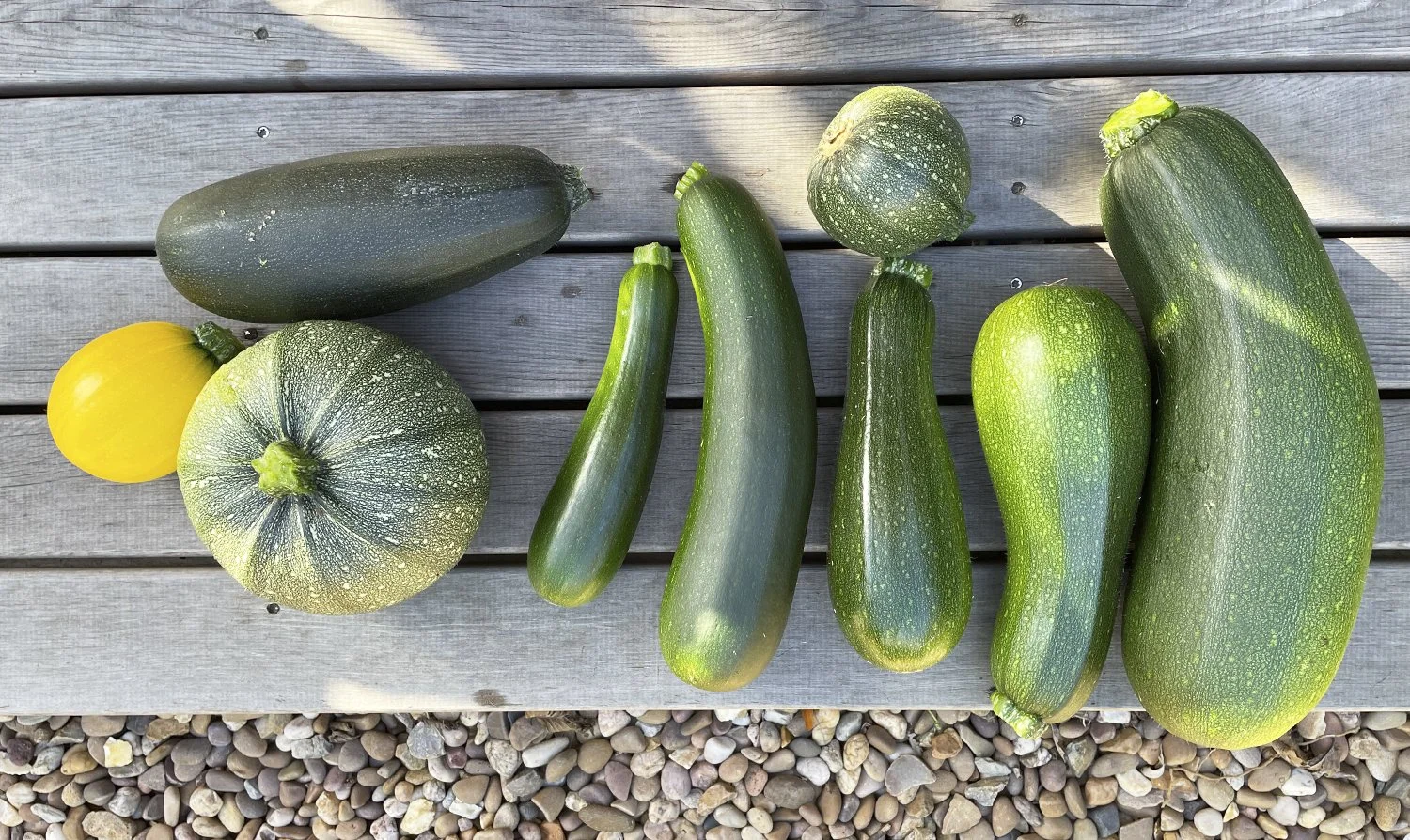
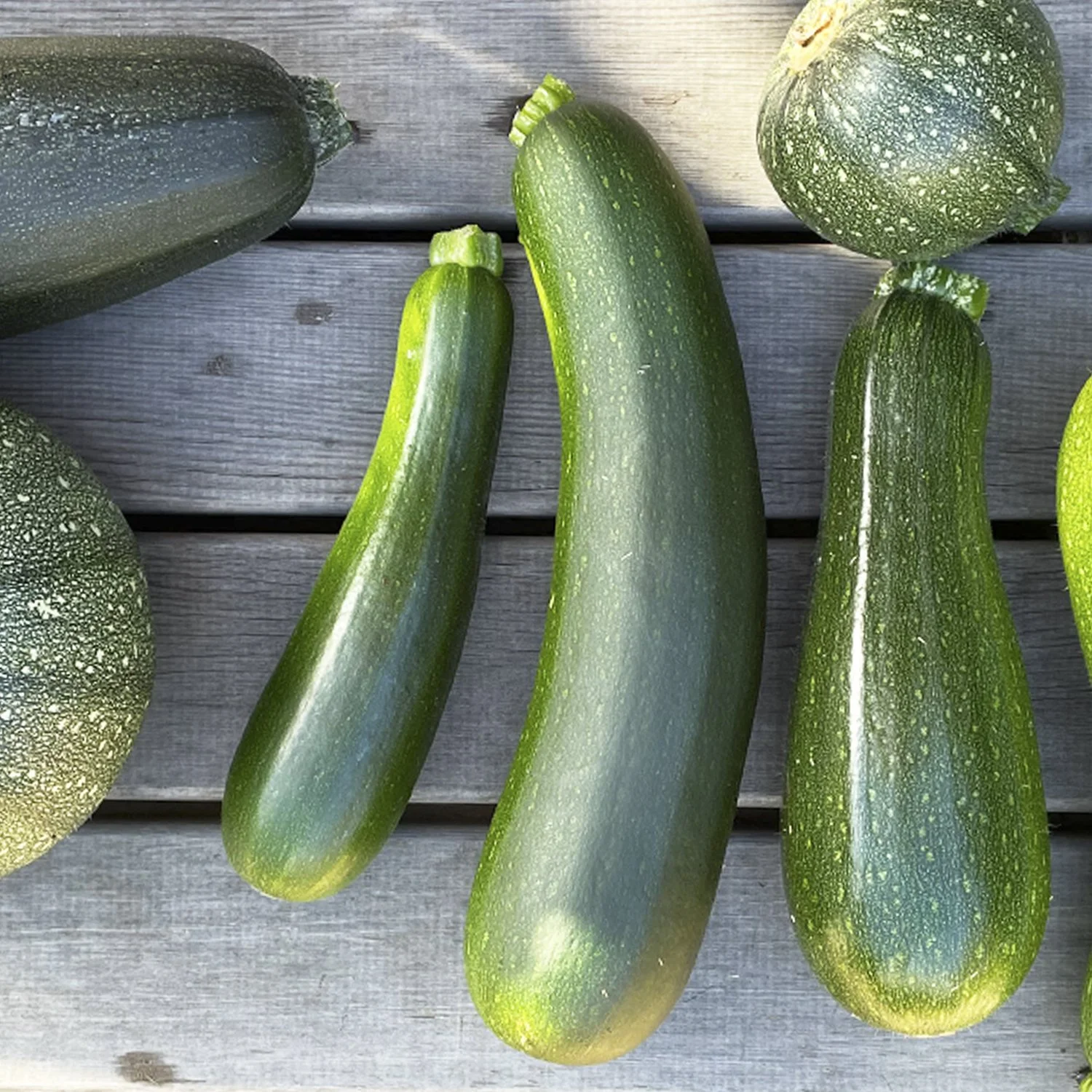
Courgettes! Hit peak summer and we all have too many, so here’s a quick recipe to enjoy as a cold salad or added to pasta for a simple dinner dish. This dish works best with small, young courgettes and is especially nice with yellow Luneor varieties.
Courgettes are really nice raw! Use a box grater or sharp knife to very thinly slice the courgettes into rounds, almost see through.
Add a pinch of salt, a good grind of black pepper.
Add fresh herbs such as mint, basil and dill, plus the grated zest of a lemon, lemon juice and a good glug of virgin oil, olive or rapeseed.
Toss together and let it sit for 20 minutes before serving to allow the flavours to develop.
You can add pasta and feta to this to make a main course salad or just have as a tasty side.
With special thanks to the University of Liverpool, this research study explores the power of urban farming and how we can use the boom in urban agriculture to tackle food inequality.
As urban populations boom, urban agriculture is increasingly looked to as a local food source and a way to help combat inequitable food access. But little is known about how productive urban agriculture is compared to conventional, rural farming. A new study digs in, finding urban gardeners and hydroponics can meet and sometimes exceed the yields of rural farms.
“Despite its growing popularity, there’s still quite a lot we don’t know about urban agriculture, like whether the yields are similar to conventional agriculture, or even what crops are commonly grown,” says Florian Payen, an environmental scientist at Lancaster University and lead author of a study, published in AGU’s journal Earth’s Future.
“ Some crops, like cucumbers, tubers and lettuces, are two to four times higher than conventional farming.”
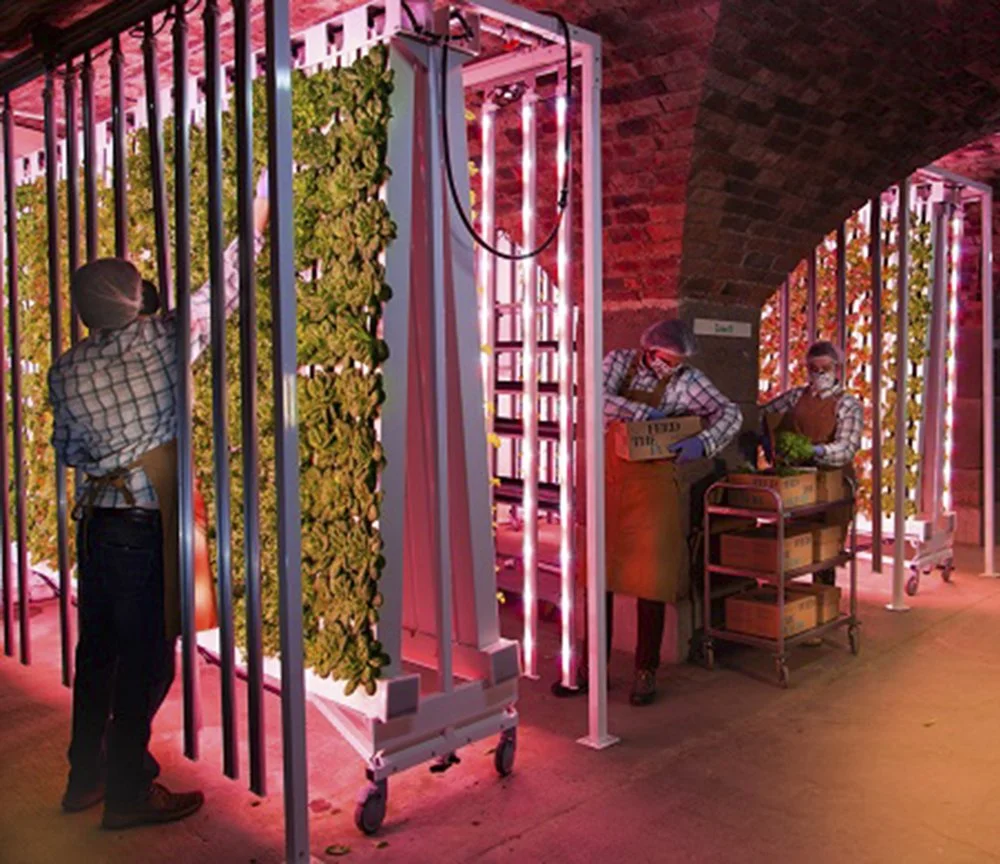
Farm Urban, Liverpool
The new study compiles studies on urban agriculture from 53 countries to find out which crops grow well in cities, what growing methods are most effective, and what spaces can be utilized for growing. The researchers find that urban yields for some crops, like cucumbers, tubers and lettuces, are two to four times higher than conventional farming. Many other urban crops studied are produced at similar or higher rates than in rural settings. Cost efficiency remains an open but important question.
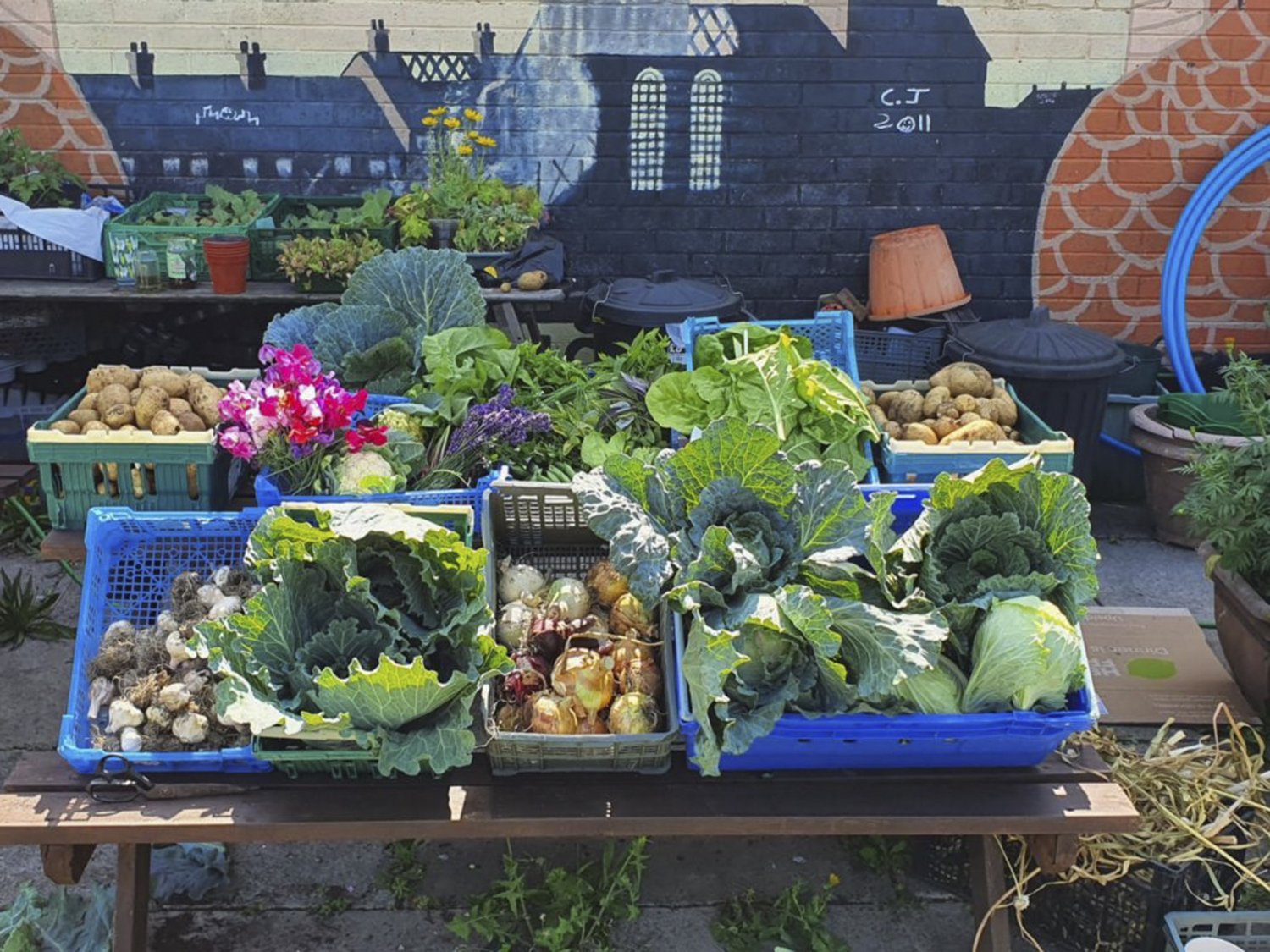
La Salle Kitchen Garden, Liverpool.
Most studies on urban agriculture have focused on green spaces, such as private and community gardens, parks and field growing operations. Payen’s work includes “gray” spaces — places in cities that are already built but could be used for growing, such as rooftops and building facades. In both green and gray spaces, the study examines a suite of crops grown in soils versus hydroponics, horizontal versus vertical farming, and natural versus controlled conditions.
To read the full article and and explore the research findings click below.
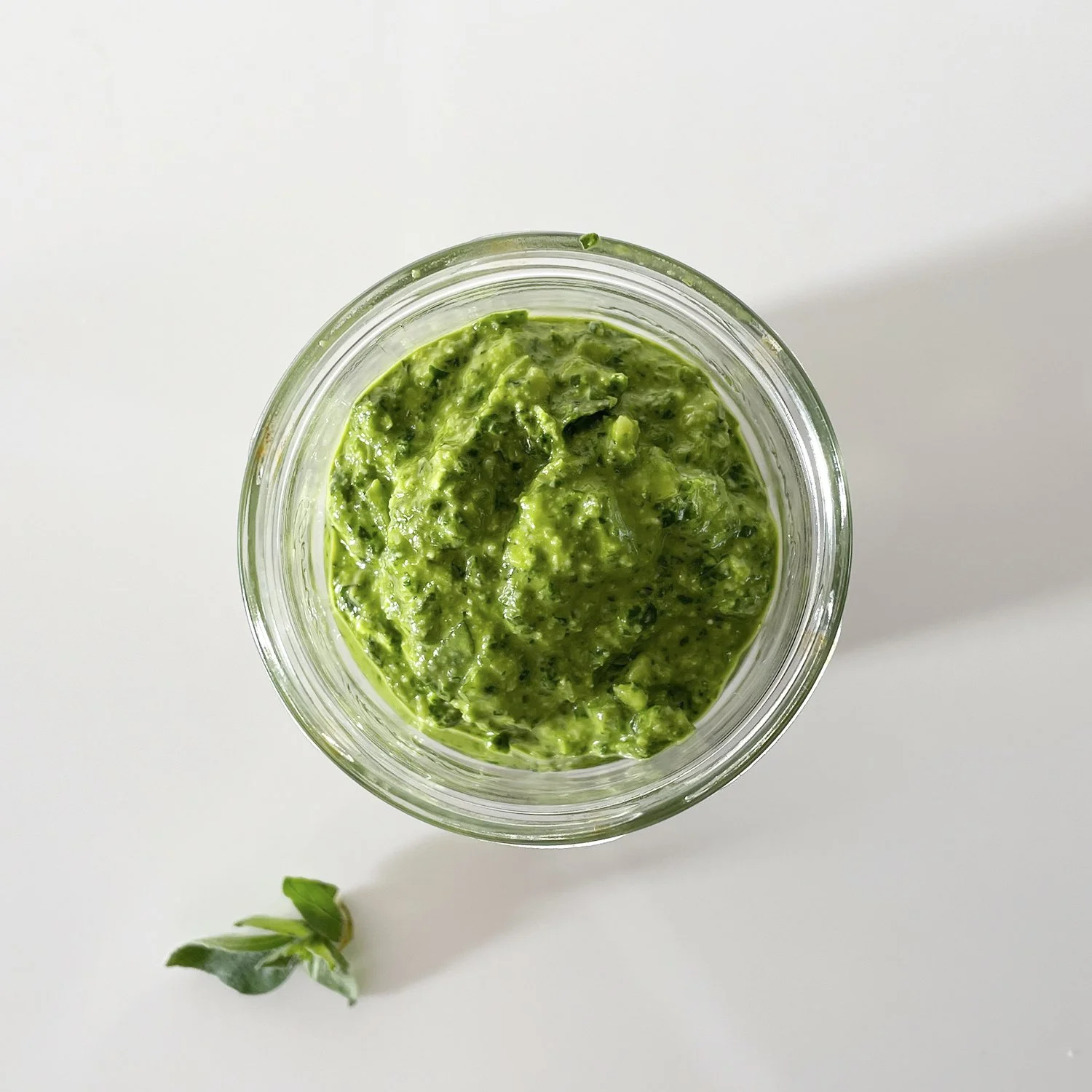
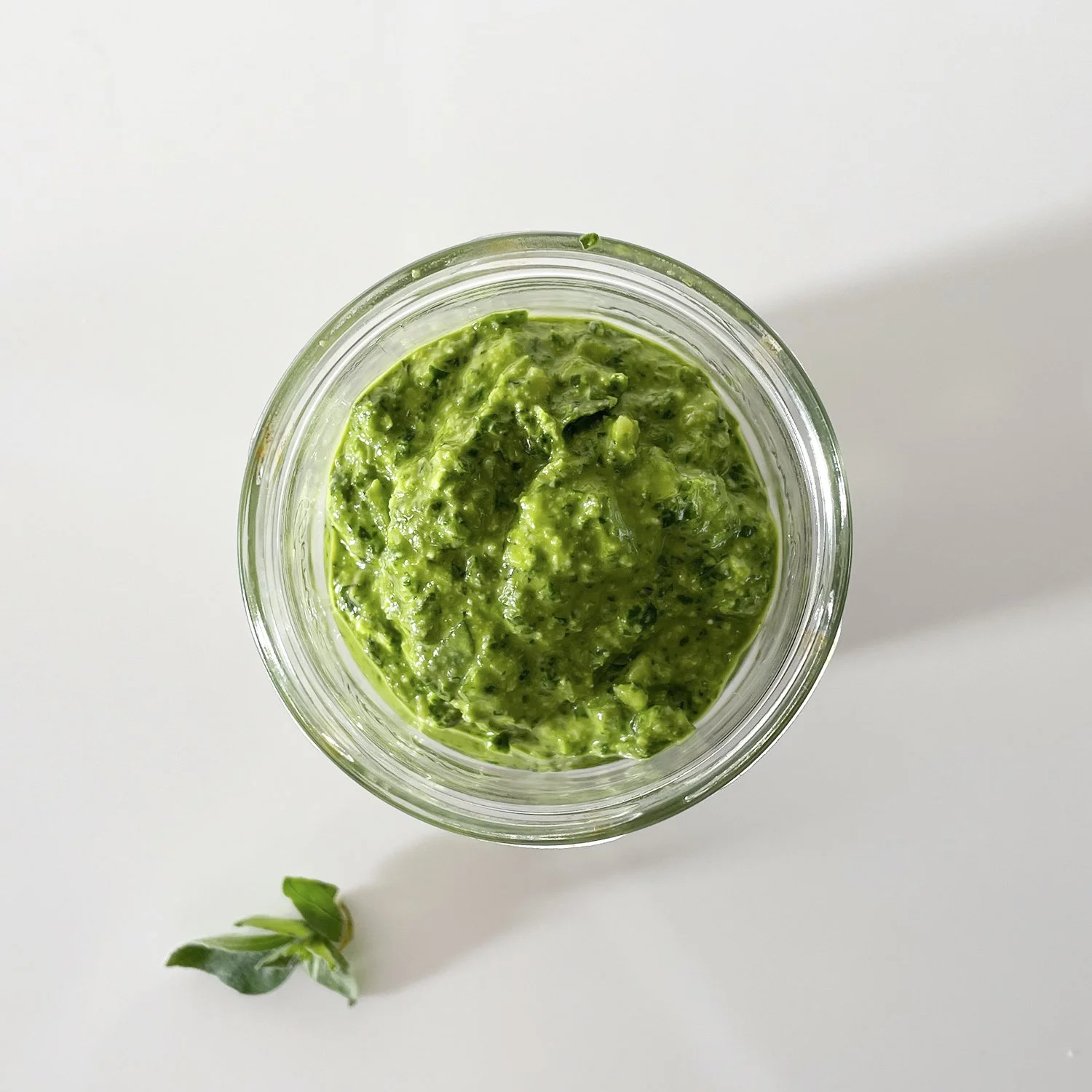
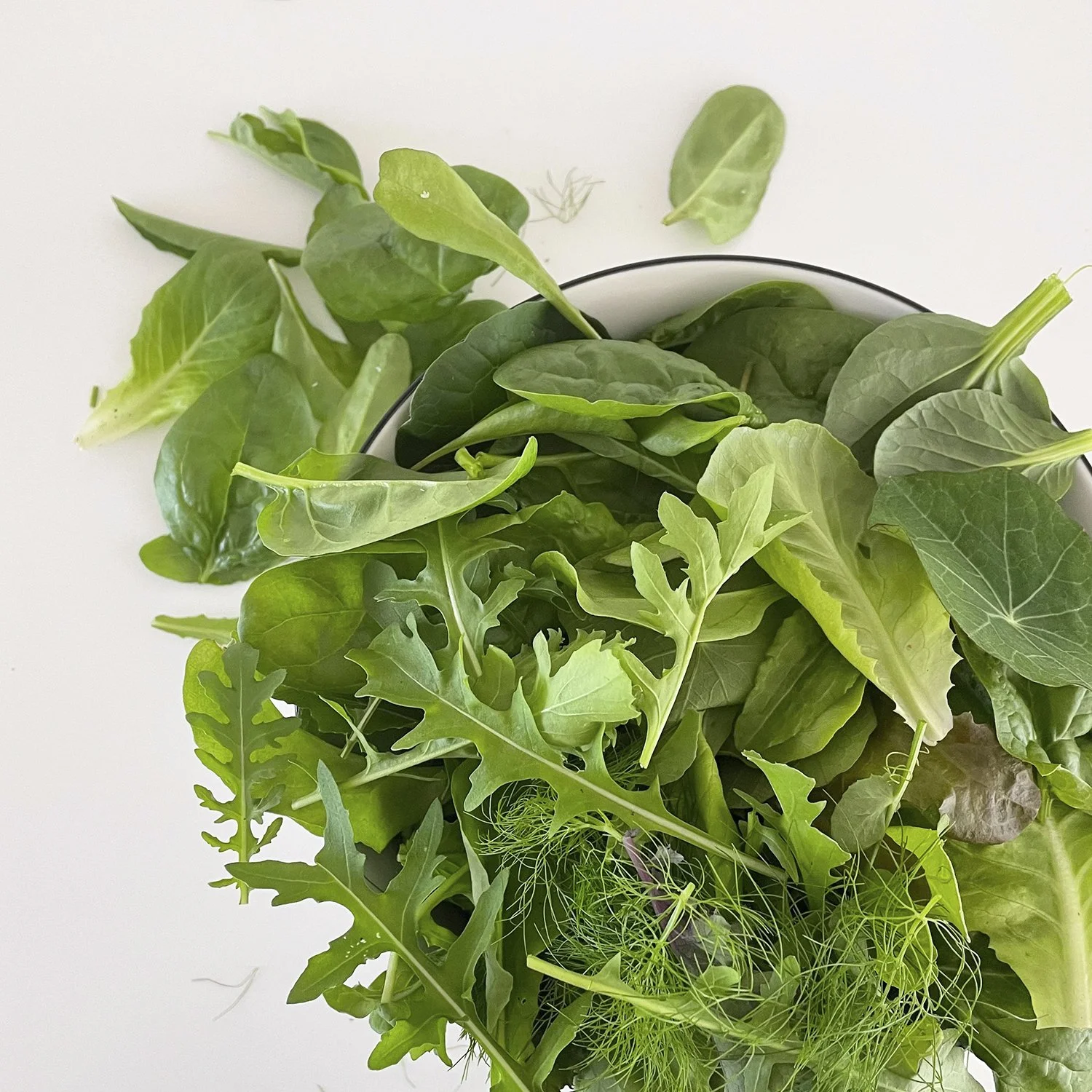
If you have a glut of leafy greens and fresh herbs or are clearing space for new crops, then this quick and simple pesto recipe is full of freshness and can really pack a punch. Rocket, spinach, basil, nasturtium and sorrel all work really well but any leafy greens make great pesto and each different leaf will create a different flavour. Don’t be afraid to mix and match.
Perfect on pasta, and great as a dip or sandwich spread. This pesto will keep in the fridge for 7-10 days or in your freezer for up to 3 months.
Wash and gently dry two large handful of leaves and add to a food processor or pop in a bowl for hand blending.
Add a handful of nuts or seeds. Pine nuts, sunflower seeds, macadamias and walnuts all work well. Use whatever you have in your cupboards!
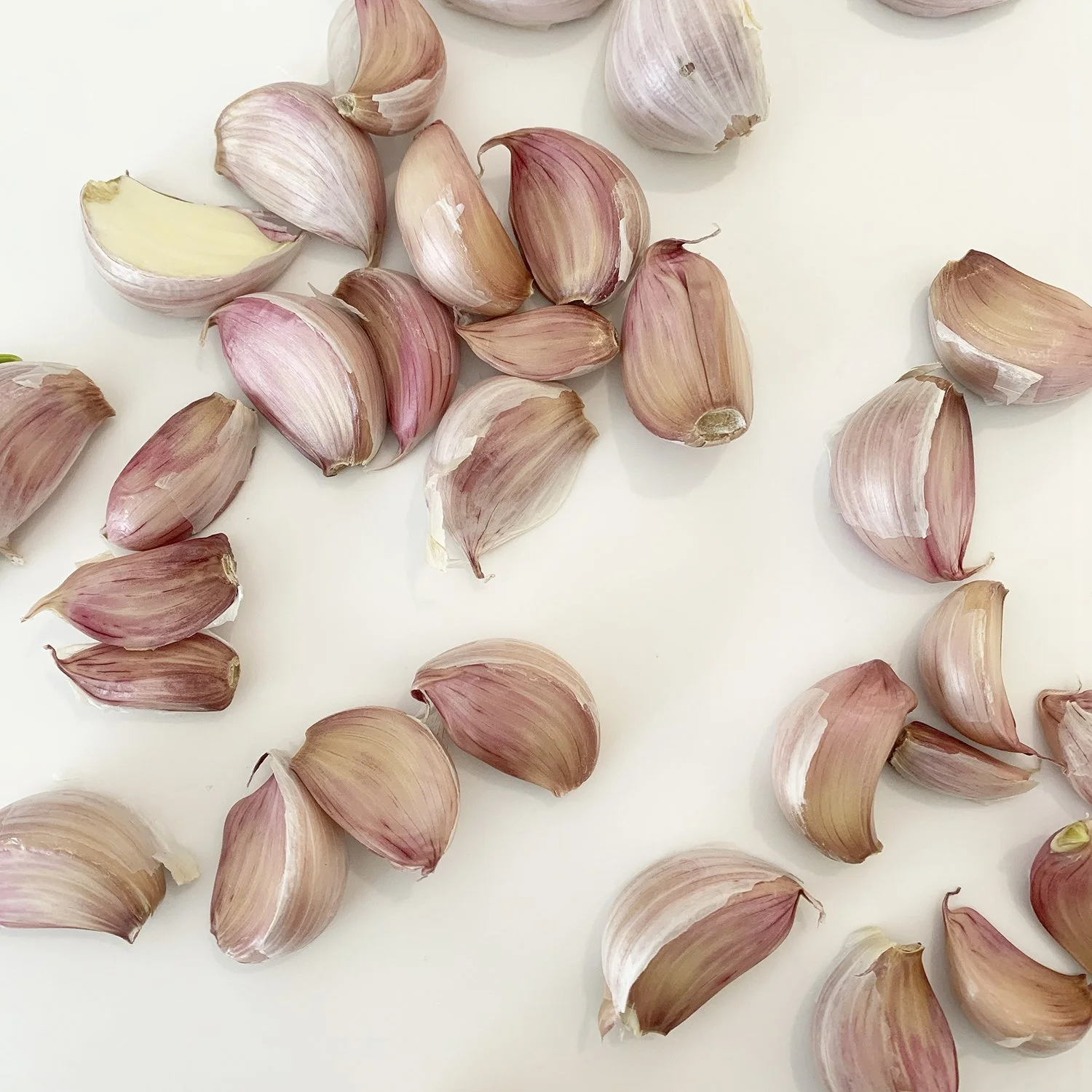
Add a peeled clove of garlic, a big splash of lemon juice and a few glugs of olive oil.
Whiz up in the blender and then keep adding any combination of ingredients to get to your preferred taste, texture and consistency.
Blend in a handful of grated parmesan or vegan hard cheese.
Taste, adjust and serve.
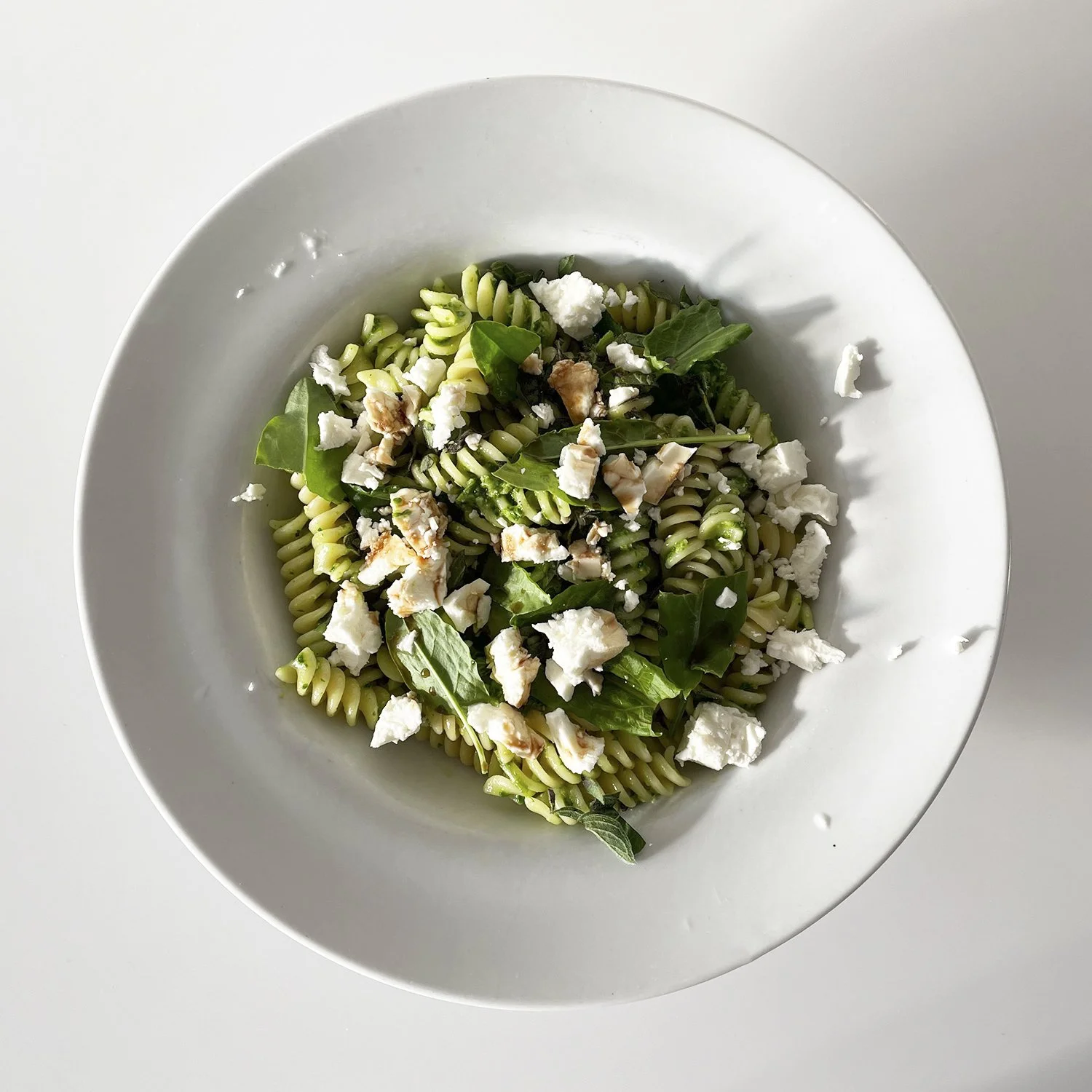
This pesto is amazing stirred into pasta and served with some crumbly feta or roasted tomatoes. Enjoy!
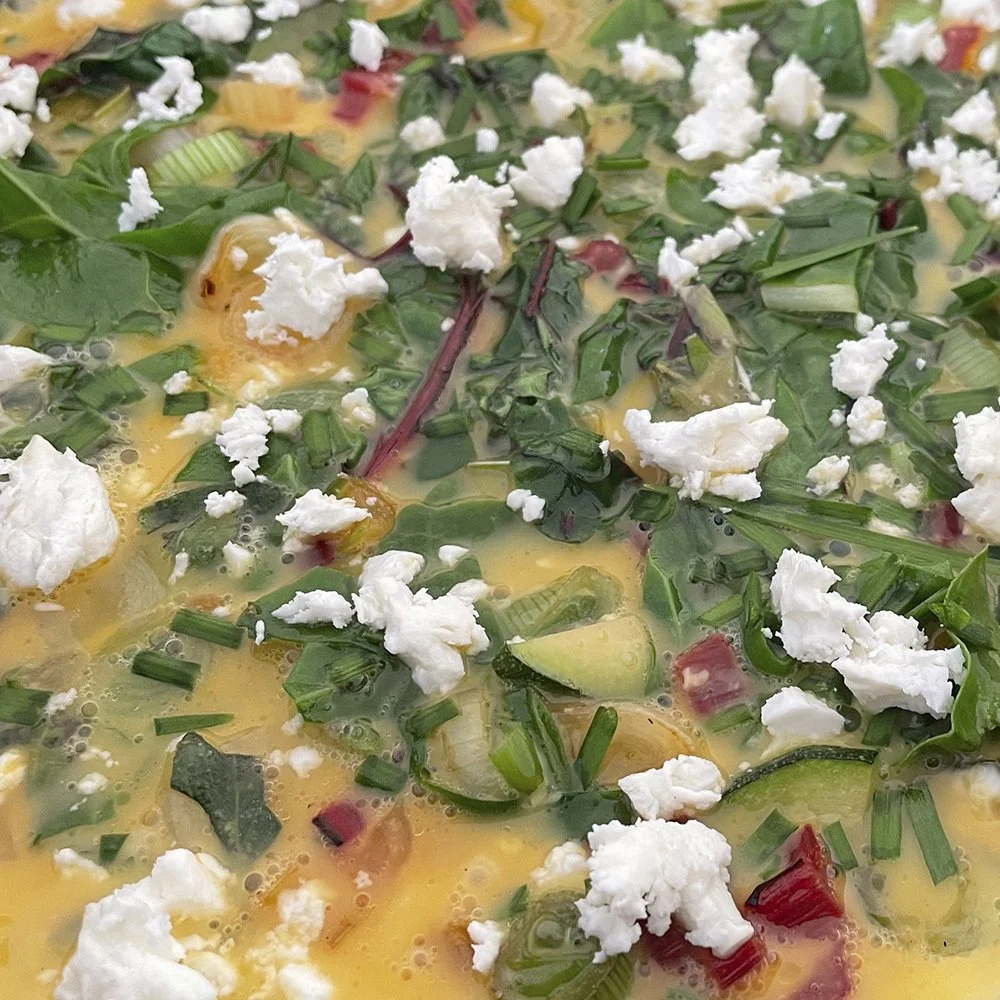
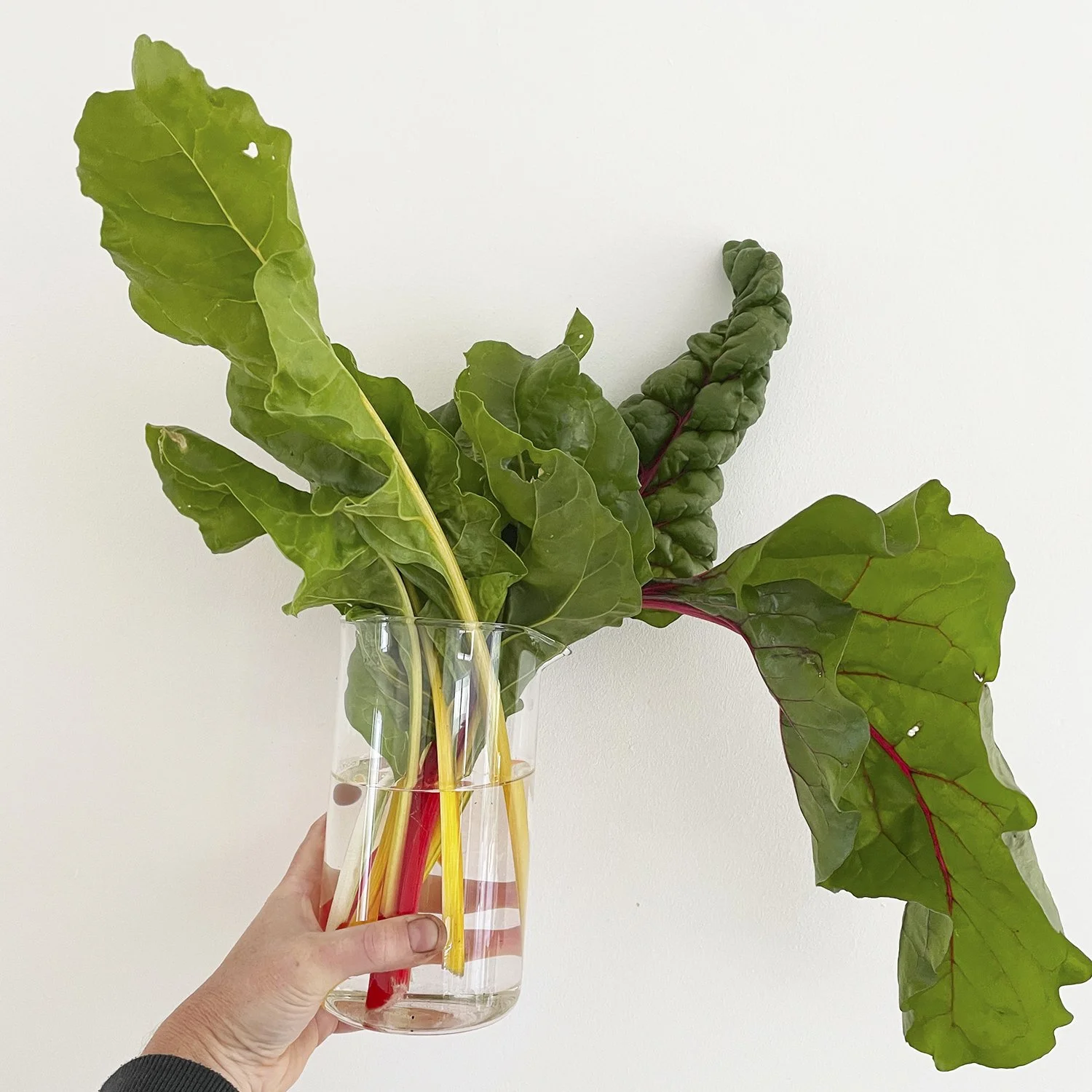
This is one of our favourite garden suppers and can be adapted throughout the year depending on what’s in season. Try fresh spring spinach and wild garlic, summer courgettes with peas and herbs, or colourful winter chard. No rules!
Chop up your selected vegetables and fry gently in oil or butter in a non-stock pan for a couple of minutes until heated through.
Beat 2-3 eggs in a bowl (more if you are feeding a hungry crowd!). Season with salt and pepper. You can also chop in fresh herbs at this point. Chives, oregano, basil and parsley all work really well.
Add the egg mix to the pan, pouring over the top of the warmed vegetables.
Let it cook gently until it has set underneath.
Grate over some cheese – a sharp Lancashire is delicious and Feta adds a lovely salty flavour.
Pop the pan under the grill (not the handle if plastic!) to melt the cheese and set the top of the omelette.
Allow to cool and slice into quarters.
Frittata is great for lunch boxes or add some summer leaves (or garden chips!) for a bigger meal.