Blog

  • Reading List – No Dig, by Charles Dowding

    Reading List – No Dig, by Charles Dowding

    About the book…

    ‘Stop digging and start to truly understand the needs of your soil, for bumper harvests of healthier crops. Charles Dowding has spent a lifetime perfecting his no dig system of growing. At its core is an awareness that soil vitality is a dynamic process, involving a web of organisms which we can easily feed and support, enabling our plants to grow strong and healthy, in a weed-free environment. With clear step-by-step instructions on how to set up a no dig plot, and detailed cultivation advice for over 80 crops, this book will revolutionise the way you grow.’

    To buy No Dig by Charles Dowding here.

  • Growing Stories – Hope Community Garden

    Growing Stories – Hope Community Garden

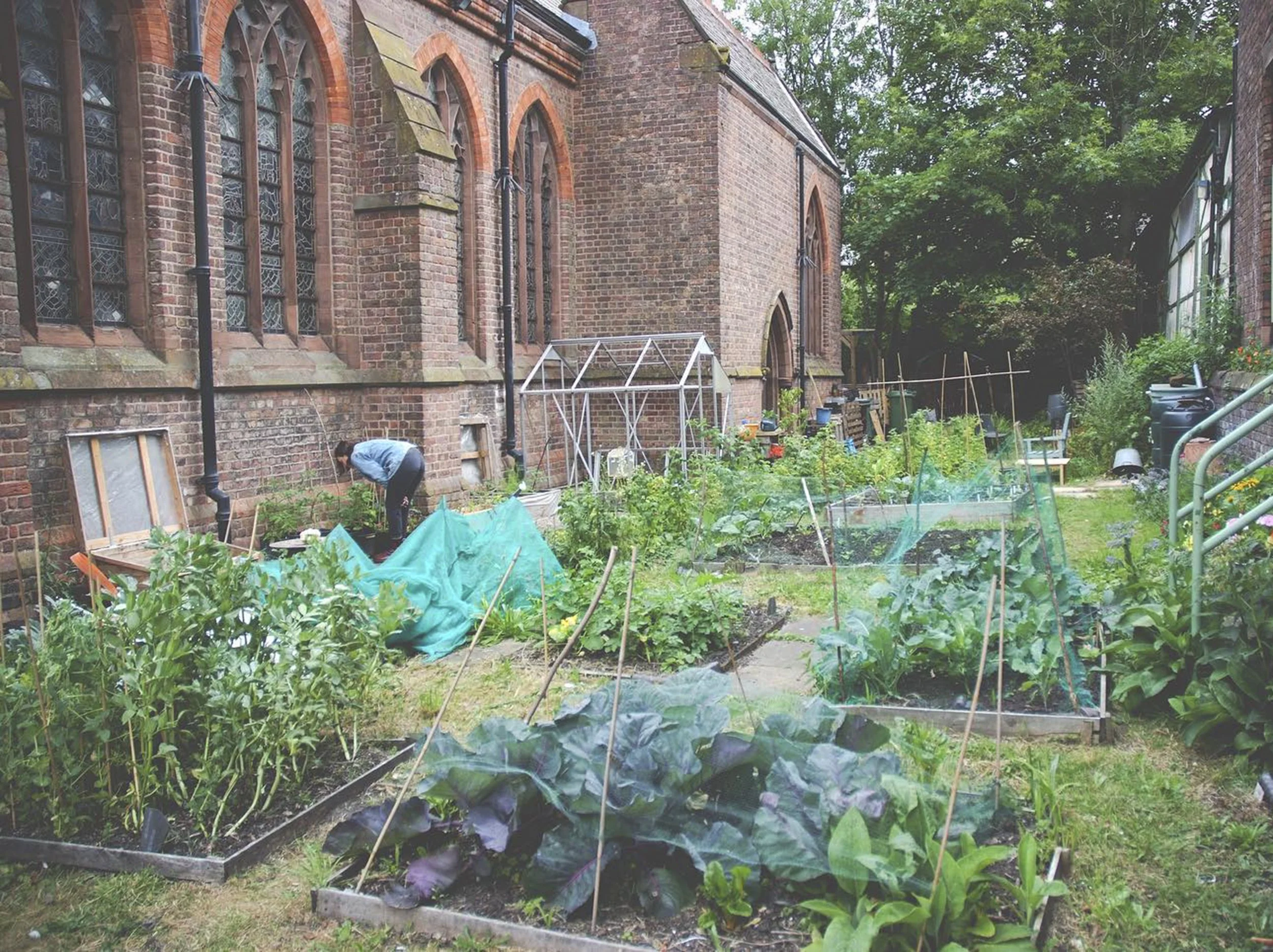
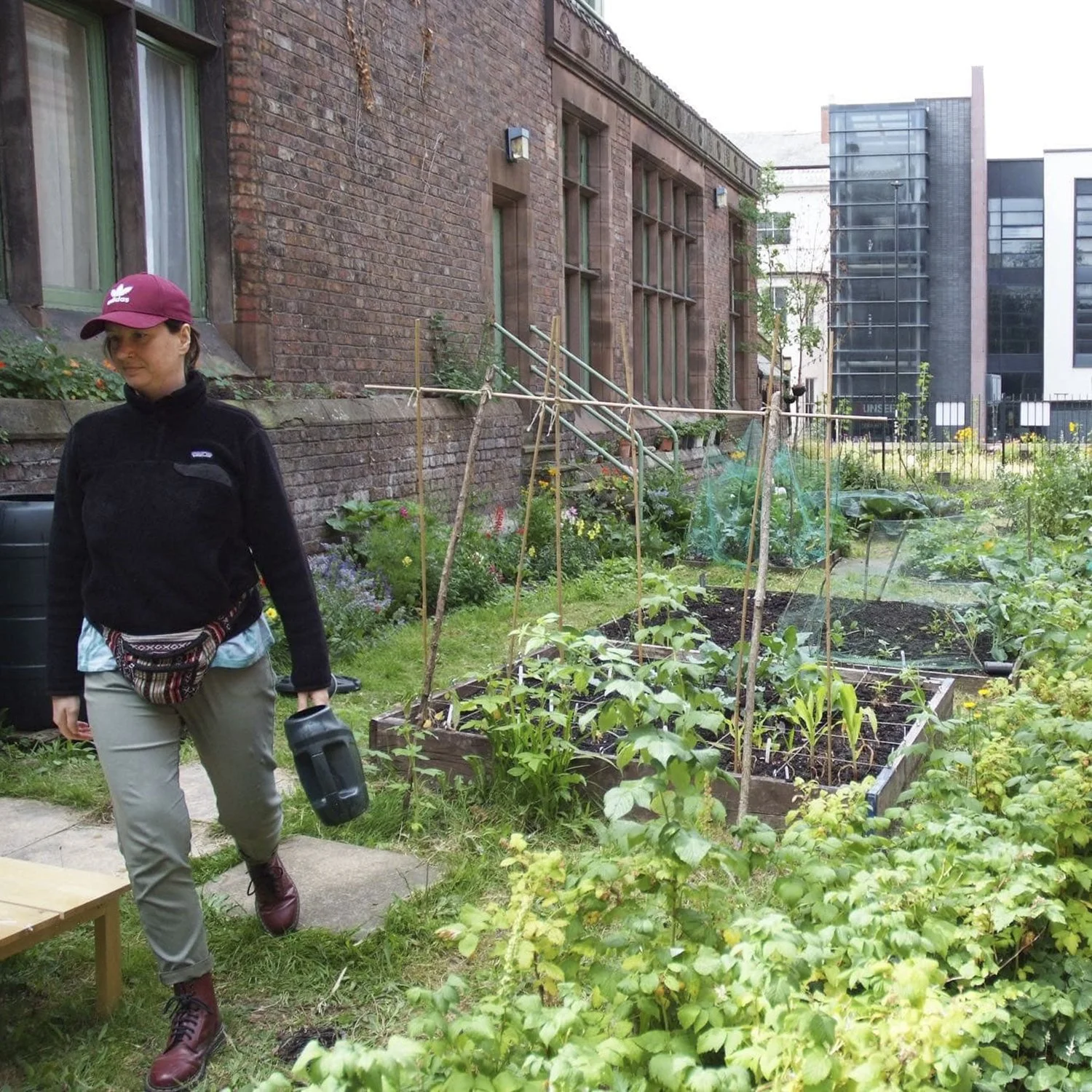
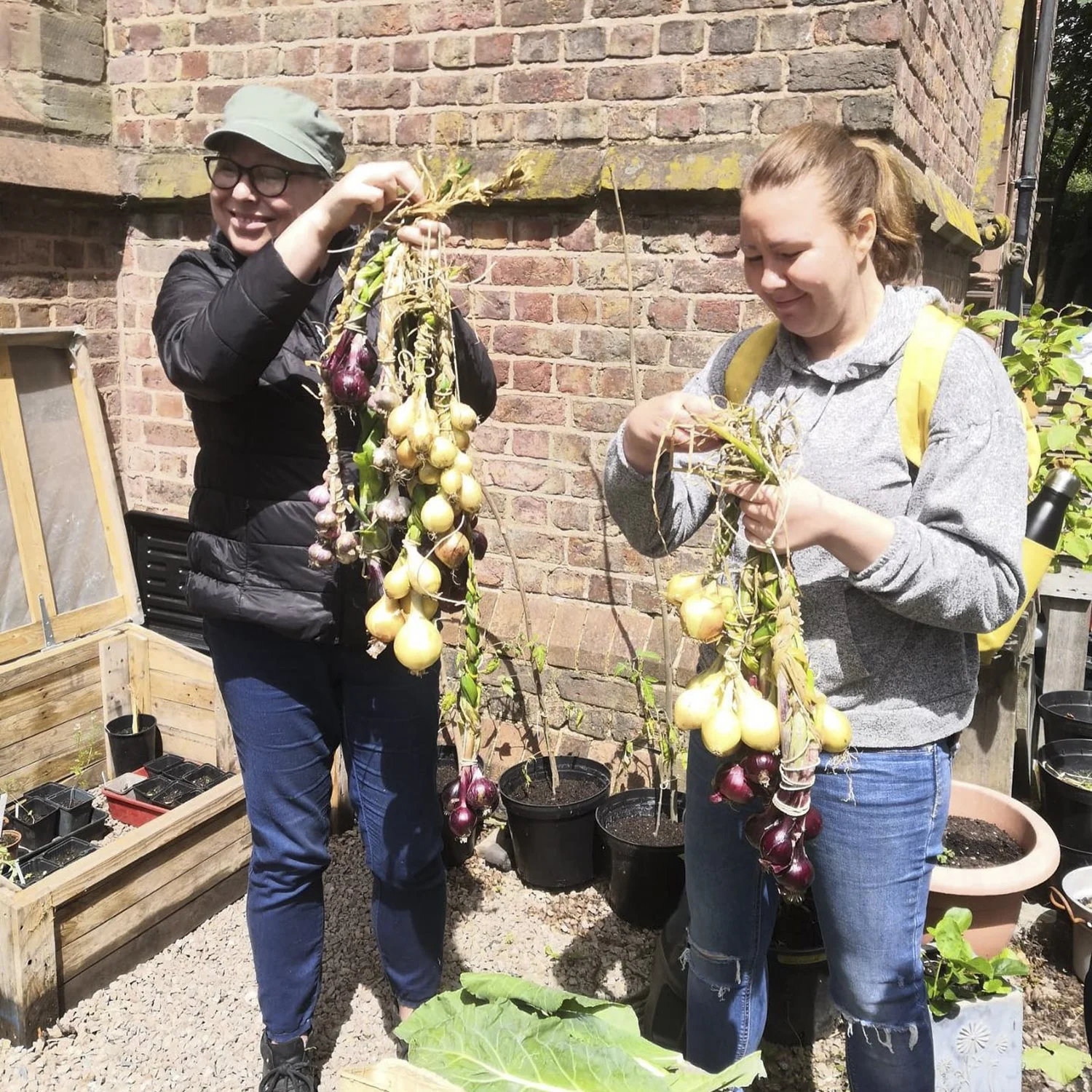
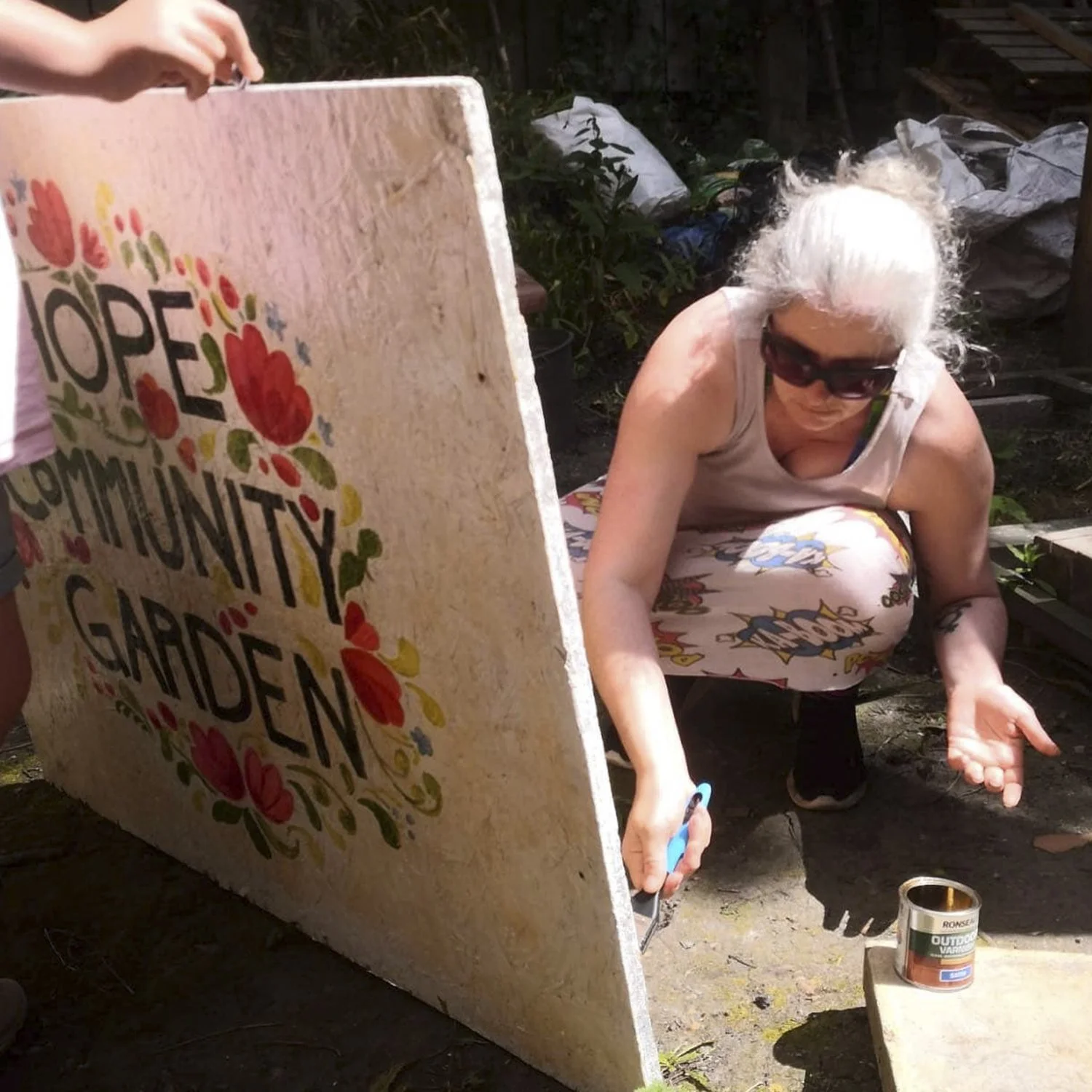
    Each month we take a trip to one of the network’s amazing growing projects to find out a bit more about the plot, the people, the harvests and the hopes. This time we are catching up with the gardeners at Hope Community Garden in Toxteth and chat with founder Jen about the importance of resourcefulness, harnessing people’s creativity and losing your tools!

    “You can create a community garden from next to nothing if you are patient.”

    What is your growing project called? And where can we find you?

    Hope Community Garden, St Margaret of Antioch Church, Princes Road, L8 1TG

    Tell us a bit about your project… what do you grow, how many people are involved, who uses your produce?

    We grow food and flowers and have a developing herb garden. We’ve not had much budget over the past few years so we build things like cold frames and mini-greenhouses from found materials like pallets and even an upside down bedframe.

    The garden is led by myself, Jen, and we have a partnership with The Mersey Forest who deliver a 12-week Natural Health (#Nature4Health) programme which supports people in their health and wellbeing.

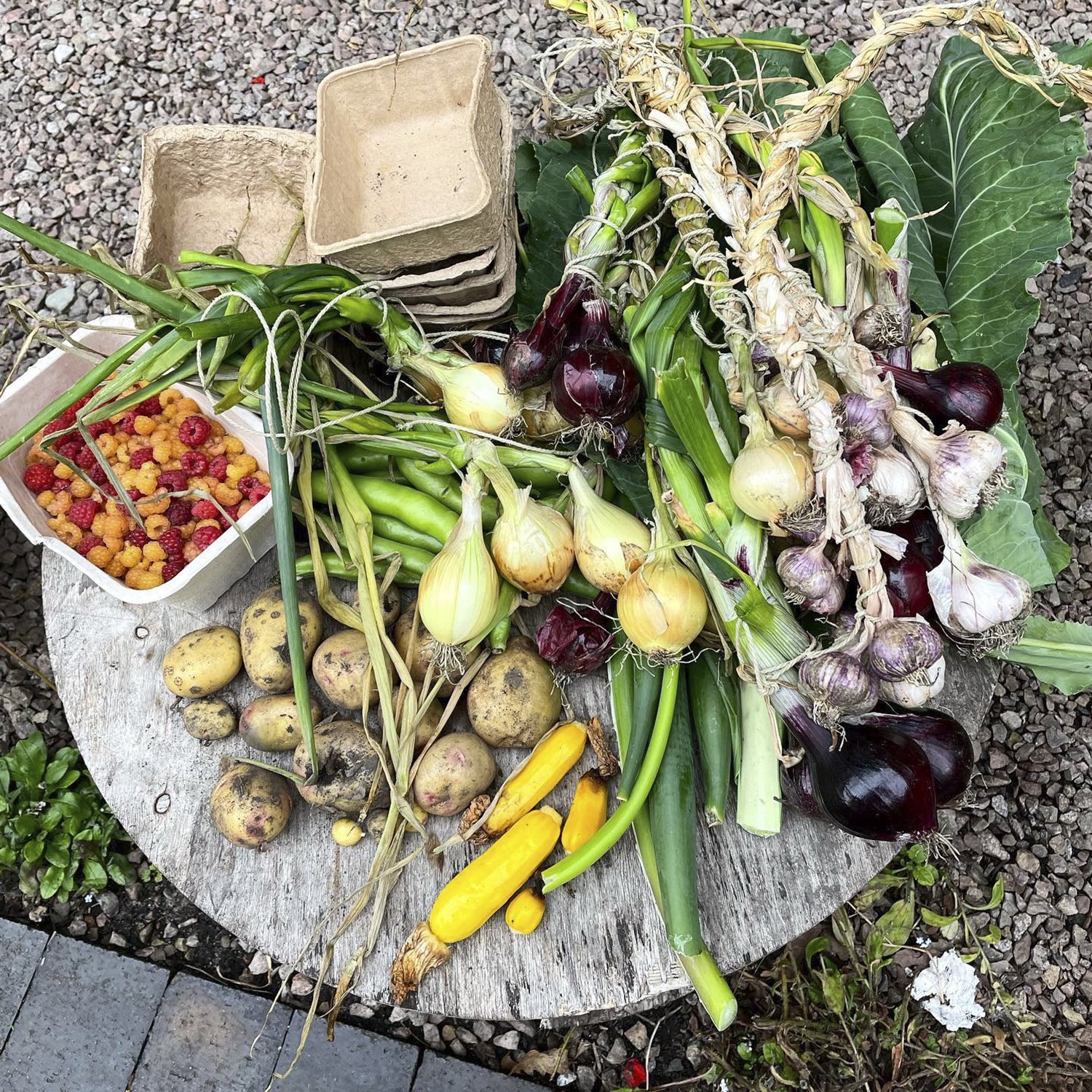
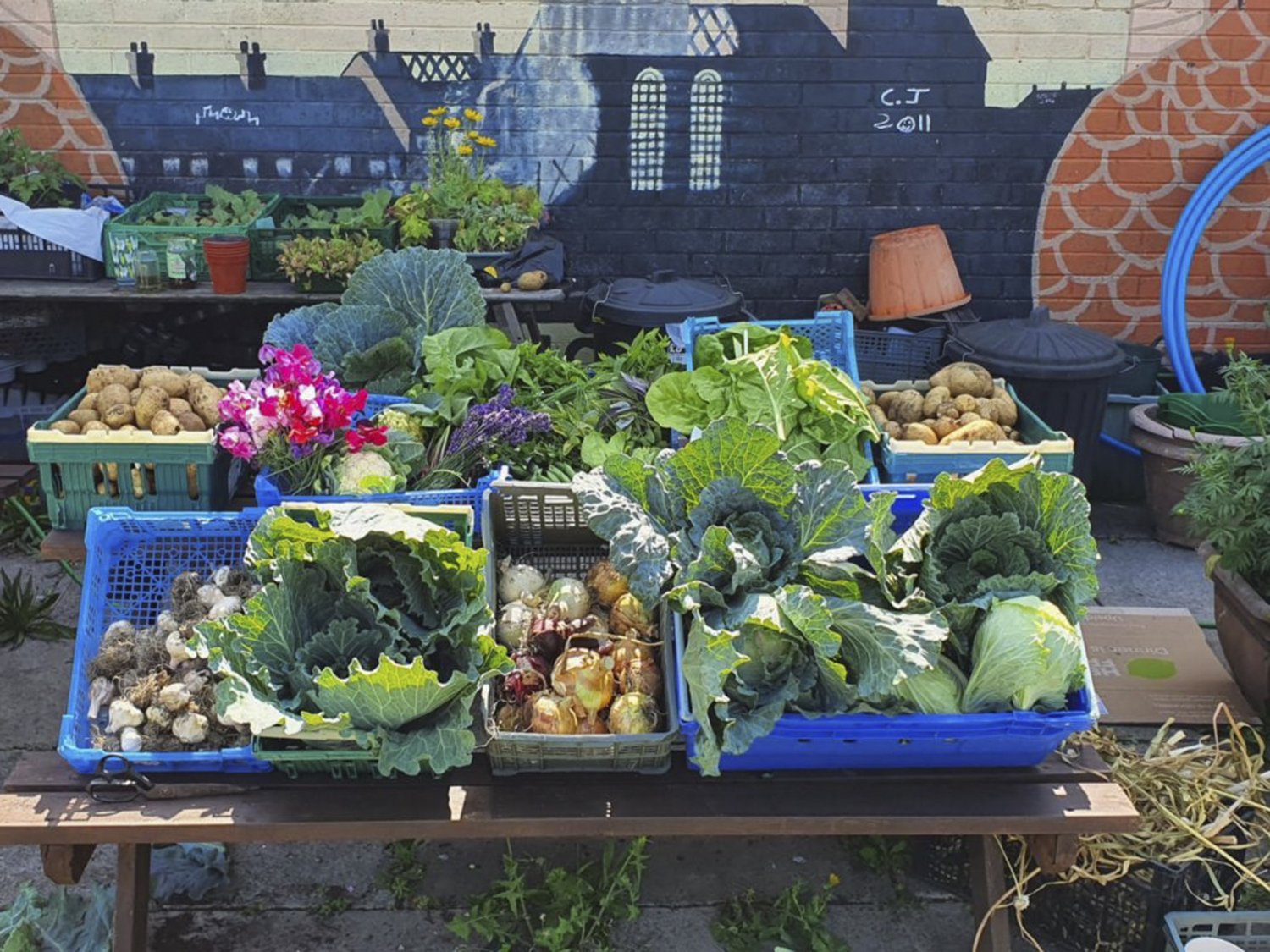
    The numbers of the group, and people who attend, changes over time but generally we have around 6-8 people on a weekly basis. The produce we grow is put on a sharing table which anyone can take from. 

    How long has your project been running?

    For three years since September 2019

    “We encourage people who come along to bring their creative ideas, this builds confidence and creates a sense of community ownership. ”

    What activities do your volunteers and workers take part in? ie gardening, cooking, woodworking, etc

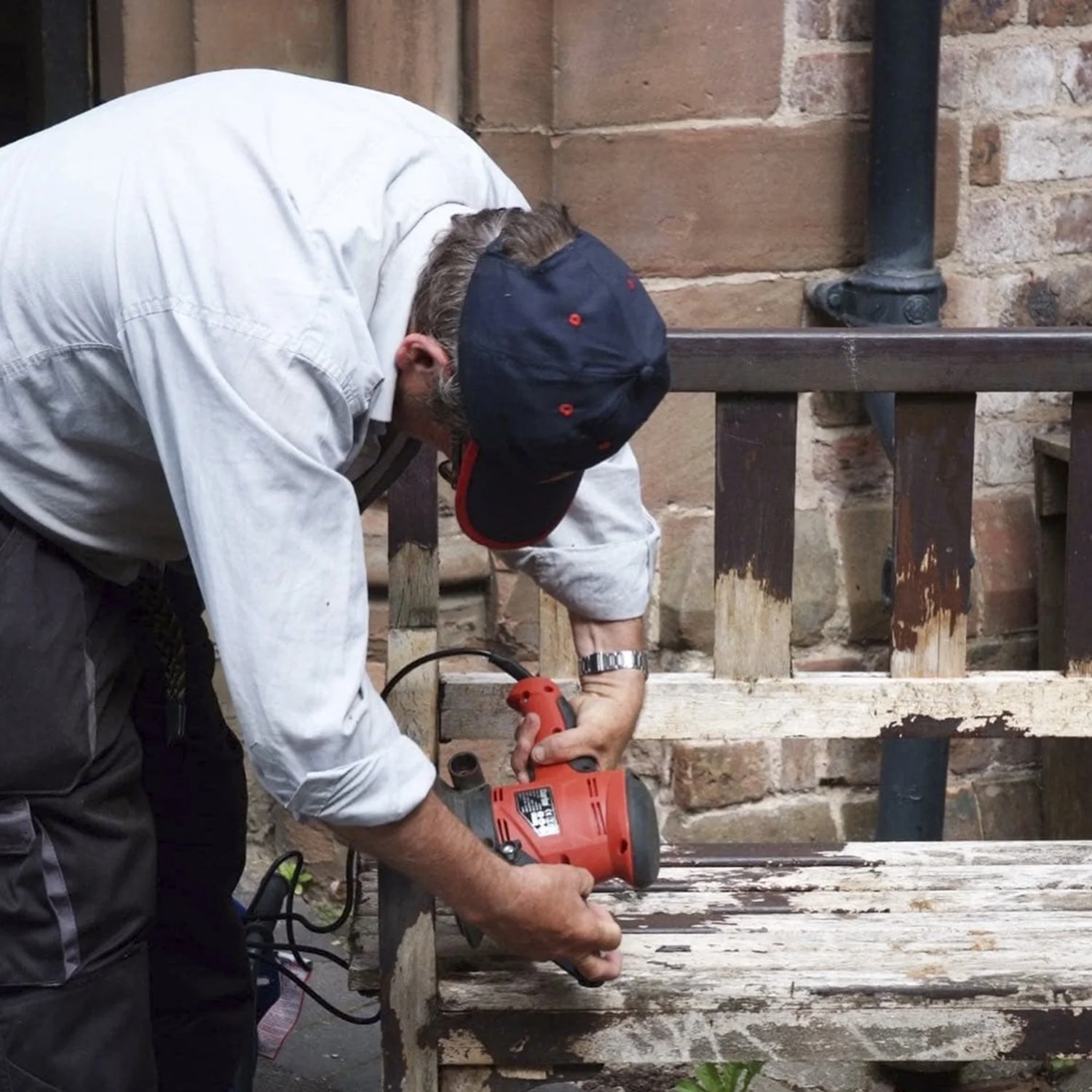
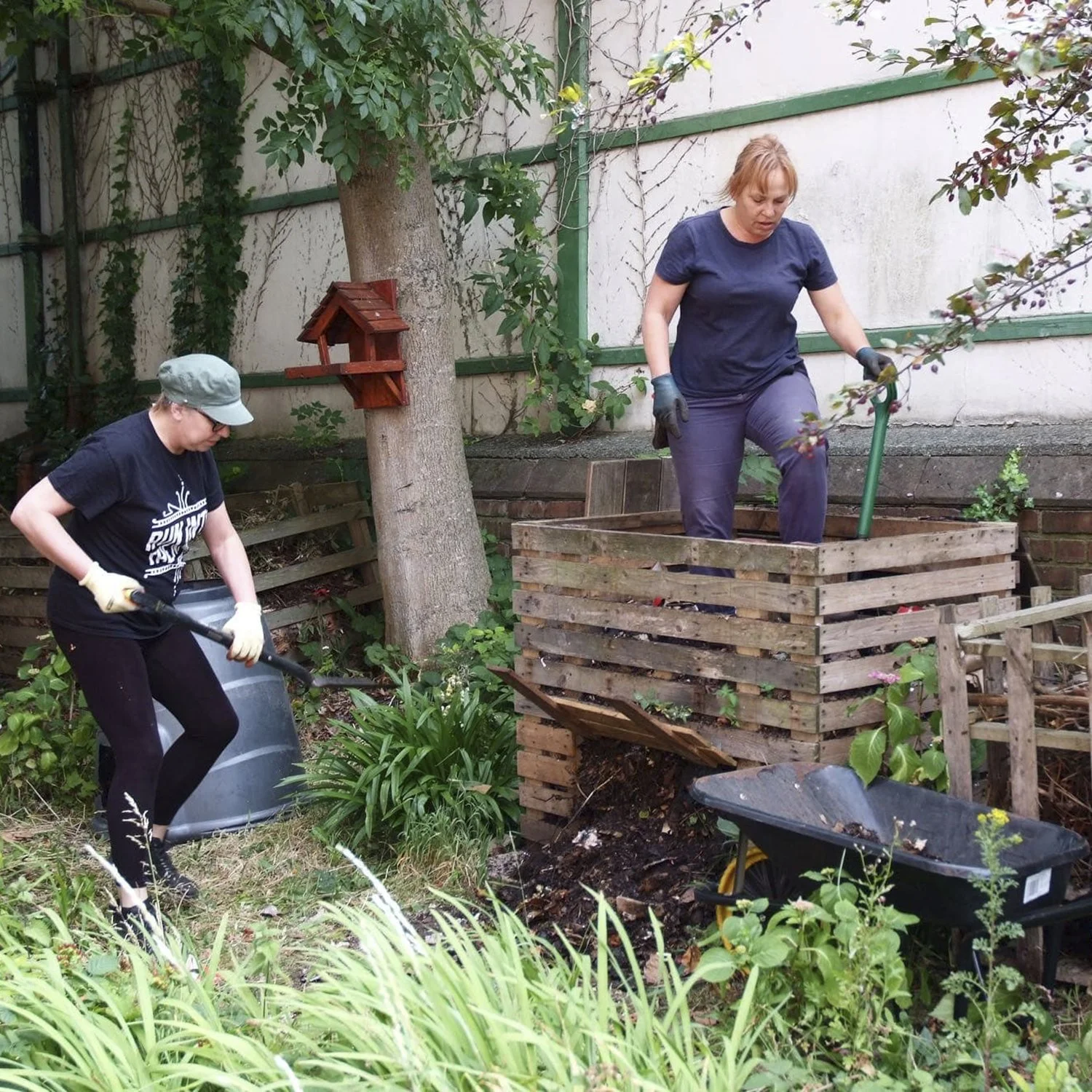
    Gardening and woodworking

    What would be your 3 top tips for starting a food growing project?

    • There’s no one size fits all, adapt to your context and setup your project with sustainability in mind. Not just financial sustainability, but how can the garden be maintained over time.

    • Start small and build with your community. We encourage people who come along to bring their creative ideas, this builds confidence and creates a sense of community ownership.

    • If you have a lot of funding to get started, that’s great, but you can also create a community garden from next to nothing if you are patient and open to building beds and frames using donated and free materials such as pallets.


    What is your favourite food to grow?

    It’s so satisfying watching beetroot and squash growing. Tomatoes are one of my favourites to grow from seed. I also love digging up potatoes like buried treasure.

    And what garden tool could you not live without?

    I cannot live without my pruning snips although I do lose them far too often in the garden (you’ll regularly hear me saying ‘anyone seen me pruning snips? If you come along). I use them to help harvest veg and for deadheading flowers.

    What is the most exciting thing about community food growing?

    Food growing not only teaches you how to live a little more sustainably, but it also connects you to nature and the seasons unlike any other activity. It is a powerful connecting force, bringing people together who may not have met each other otherwise.

    Tell us what’s next for your project? What are your plans and dreams for the future?

    The garden will develop however the community decides. I think we are only just getting started. The pandemic slowed things down for us, this will be our first full year in the garden. Practically speaking, I think next on the list is getting a greenhouse built. We don’t have any grand plans.

    Where can we find out more about your project? Website? Socials?

    We are on Facebook, Instagram and Twitter, our handle is @HopeComGardenL8.

  • To Dig or Not To Dig?

    To Dig or Not To Dig?

    I recently had the pleasure of taking part in Charles Dowding’s No-Dig weekend course. As a long time grower, I have become more and more interested in the no-dig method and the concept of regenerative growing. I’ve been there with double digging, turning the soil at the end of summer, digging up lawns to put in veg beds… it can be exhausting, back breaking work and now I realise it just isn’t necessary.

    But not only does no-dig provide a simpler route to creating new growing spaces but it has a huge impact on soil health, carbon capture and building beneficial microbes in your plot.

    Charles has been a champion and teacher of the no-dig method since 1982 and runs a hugely successful market garden in Somerset which grows a vast array of incredible produce and acts as his no-dig classroom. He is also a prolific Youtuber with videos which will answer pretty much any vegetable growing question. We asked him if we could share his videos to spread the word about no-dig and he said yes! Thanks Charles!

    So let’s start with the basics… how to get started with a no-dig bed.

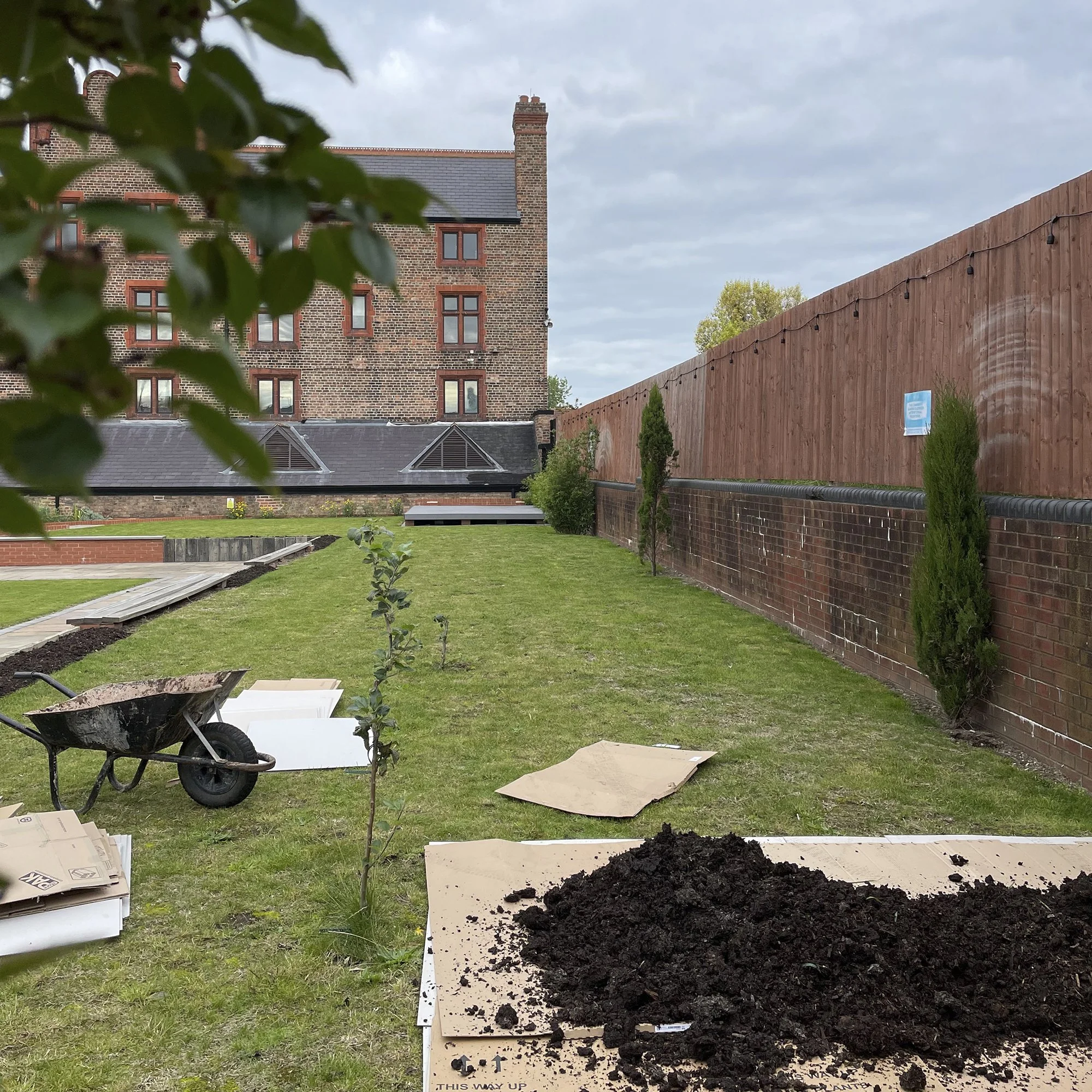
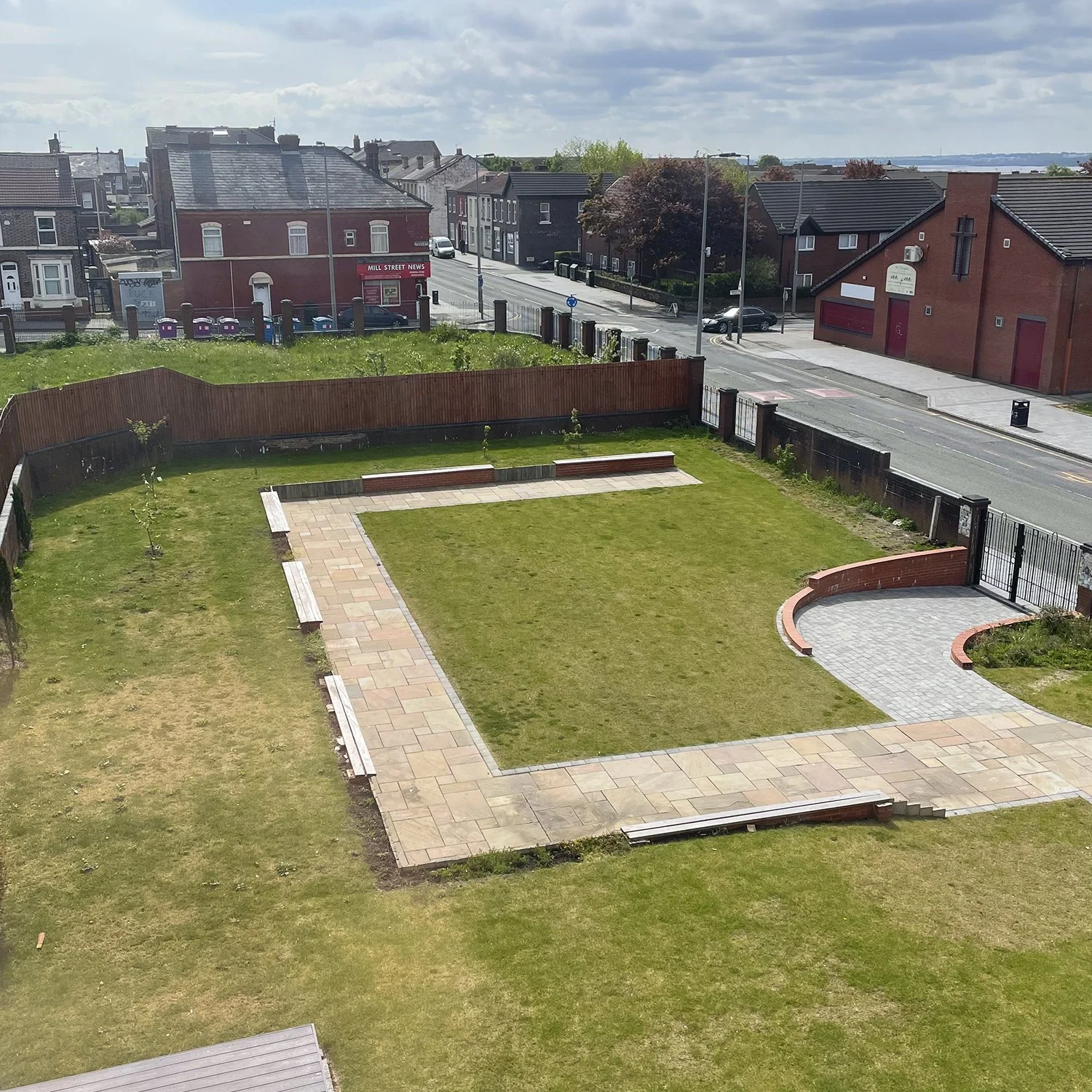
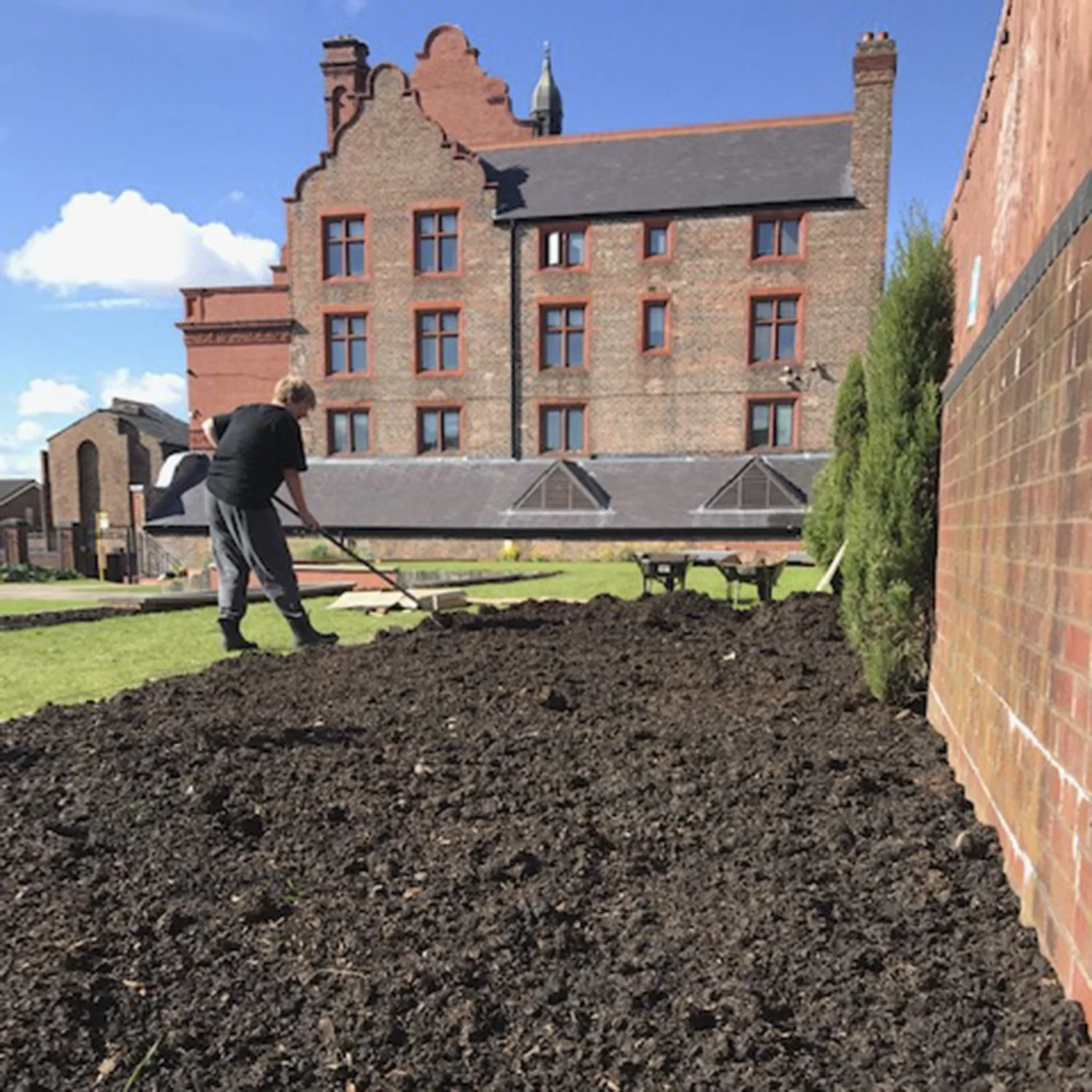
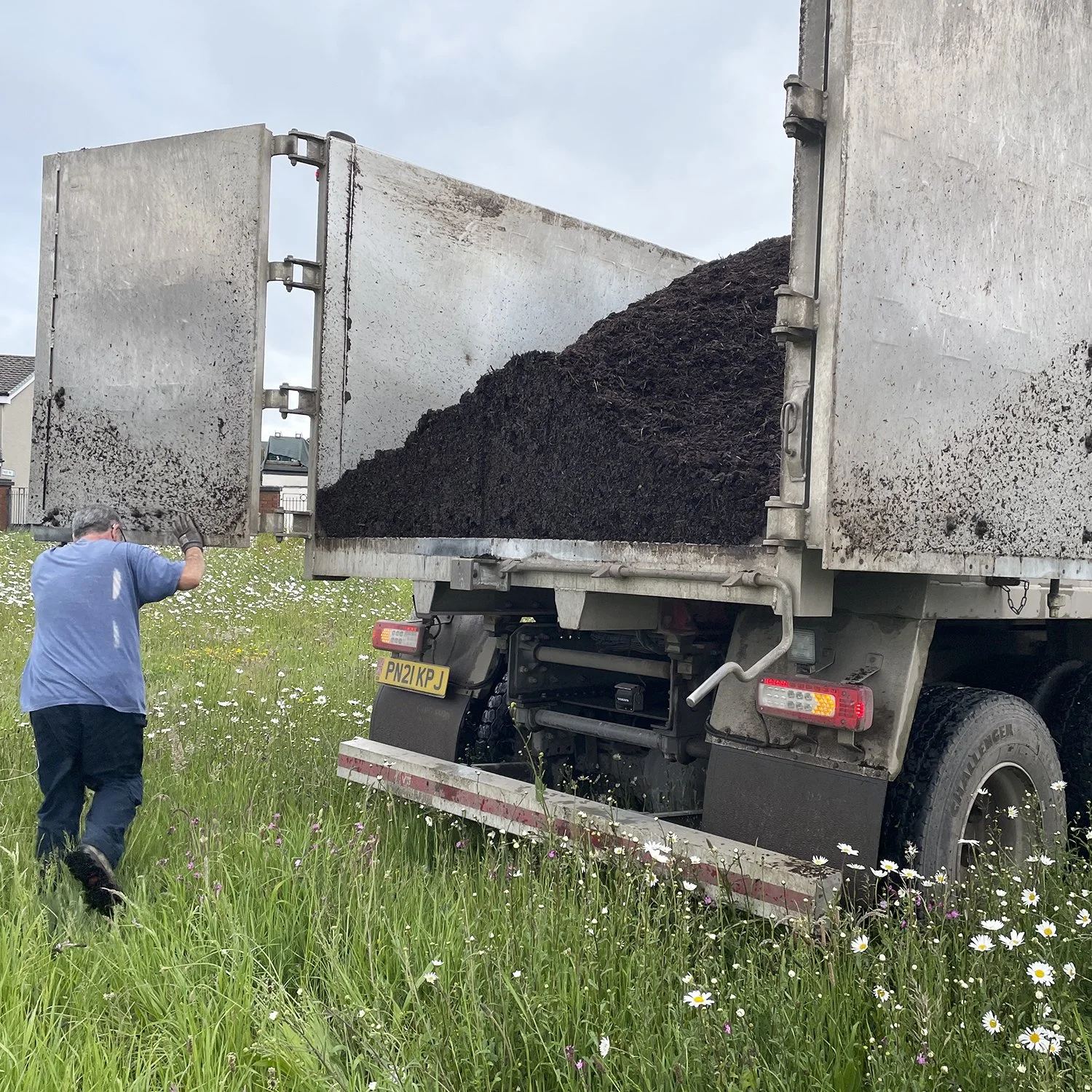
    I recently started a community growing project at The Florrie in the heart of the Dingle. We have a beautiful space on Mill Street with the worst soil and a lot of lawn so no-dig seemed like the best route to growing success. We have recently started to install a huge bed ready for Spring 2023 using Dowding’s cardboard and compost method. I wont pretend it was easy – barrowing a 100 loads of compost was hard work and the weather was shocking for most of the build – but we haven’t dug up any lawns and our spades haven’t broken soil. We’ll keep you posted as planting starts in the coming months. I’m feeling very optimistic!

    Let us know if you have been using the no-dig method, send us your photos and stories to share with the network.

    And thanks so much to Charles Dowding for sharing his knowledge. To find out more about No-Dig we would recommend checking out Charles’ website here.

  • Growing Stories – Make Hamilton Square

    Growing Stories – Make Hamilton Square

    Each month we take a trip to one of the network’s amazing growing projects to find out a bit more about the plot, the people, the harvests and the hopes. This month we are catching up with the gardeners at Make Hamilton Square to chat about the power of herbs, and growing your own beer!

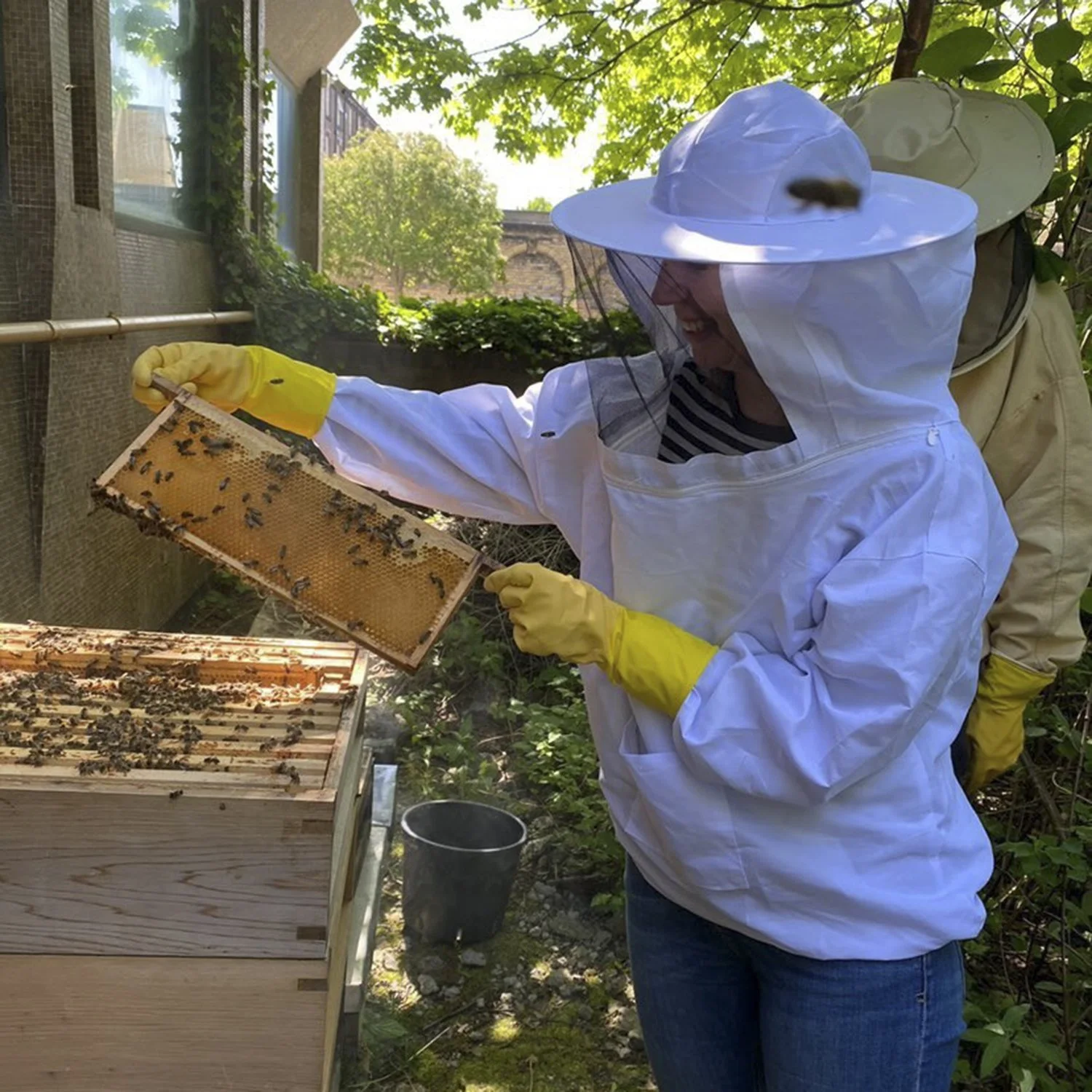
    “Our wonderful resident bee keeper John manages seven bee hives situated at the bottom of the garden.”
    What is your growing project called? And where can we find you?

     Make Hamilton Square Garden. You can find us at Make Hamilton Square, 2 Cleveland Street, Hamilton Square, Birkenhead, CH41 6ND
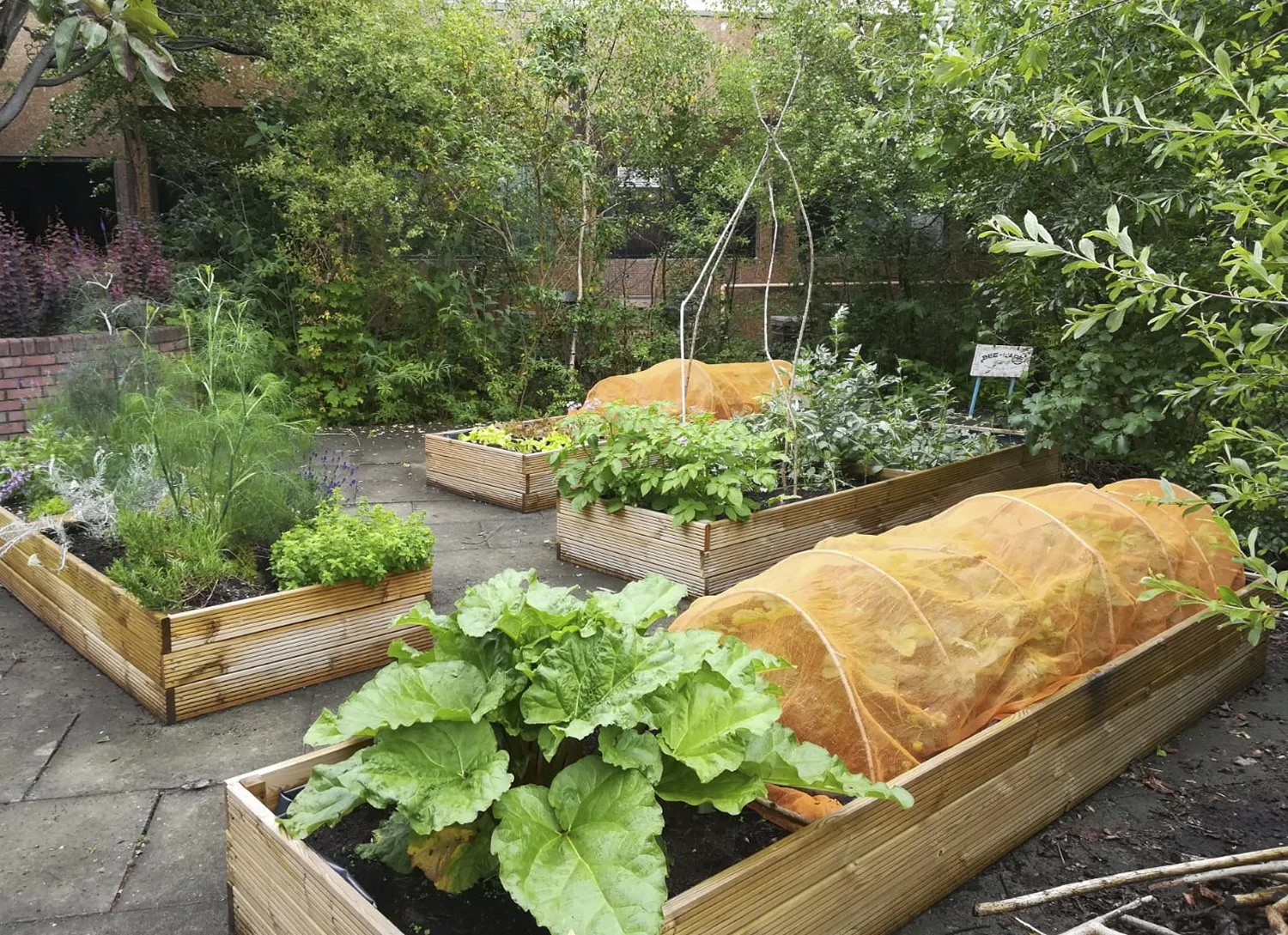
    Tell us a bit about your project… what do you grow, how many people are involved, who uses your produce?

    Make Hamilton is located in Birkenhead’s thriving Hamilton Square, a hive of creative activity.

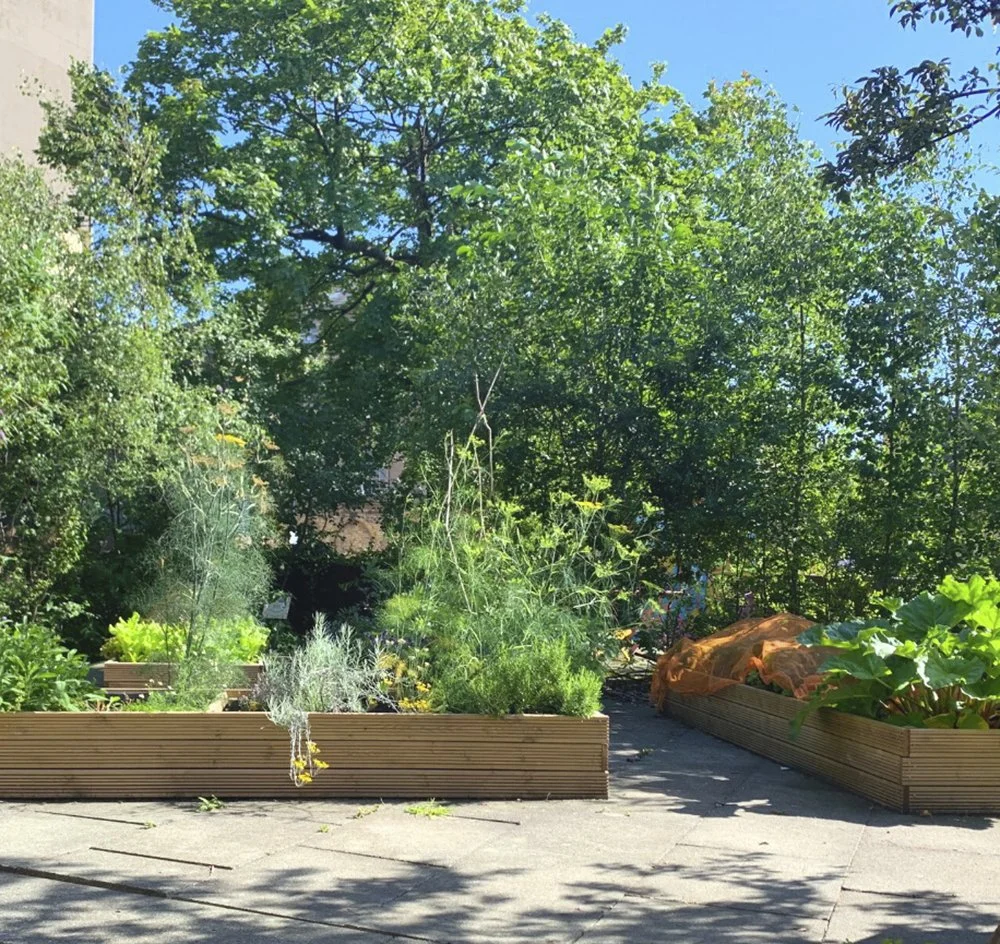
    We house artists, makers, growers, thinkers and doers a like. We have an onsite cafe and at the heart of it all our beautiful community garden for all to use, where the community can grow, relax and get involved.

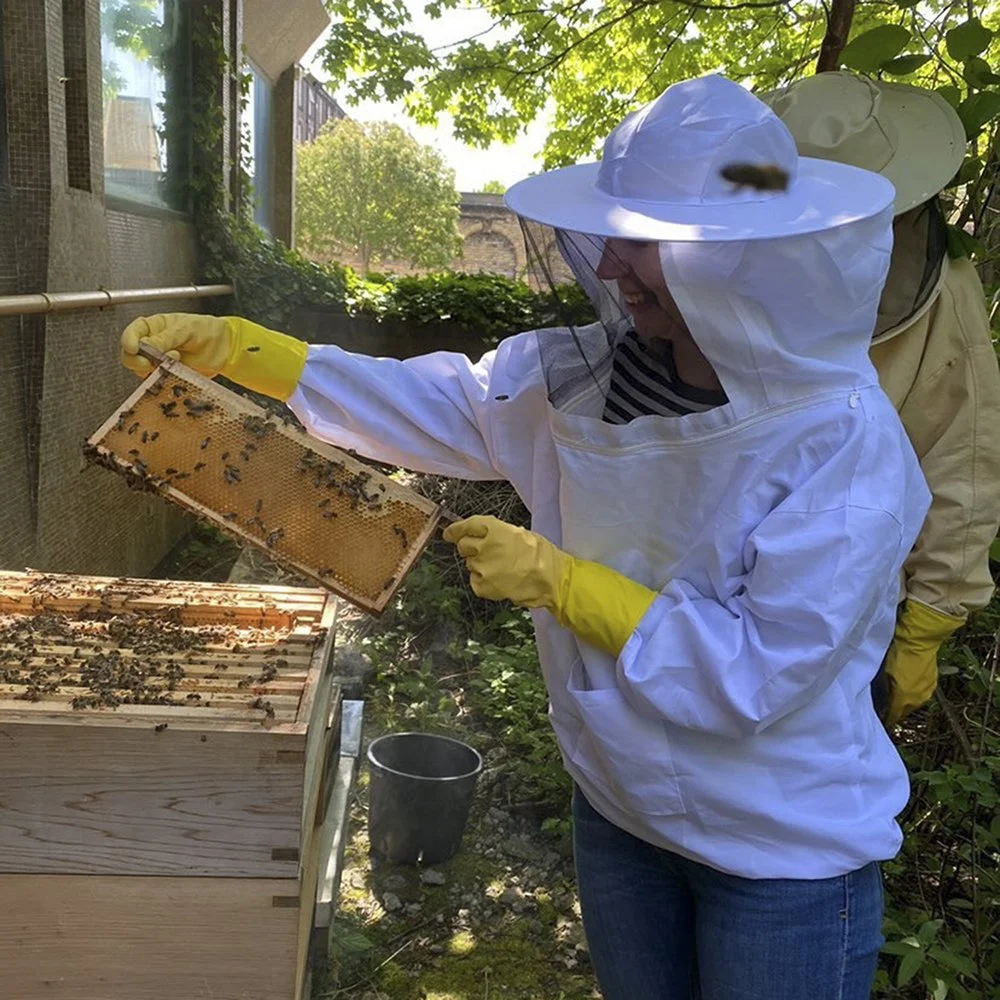
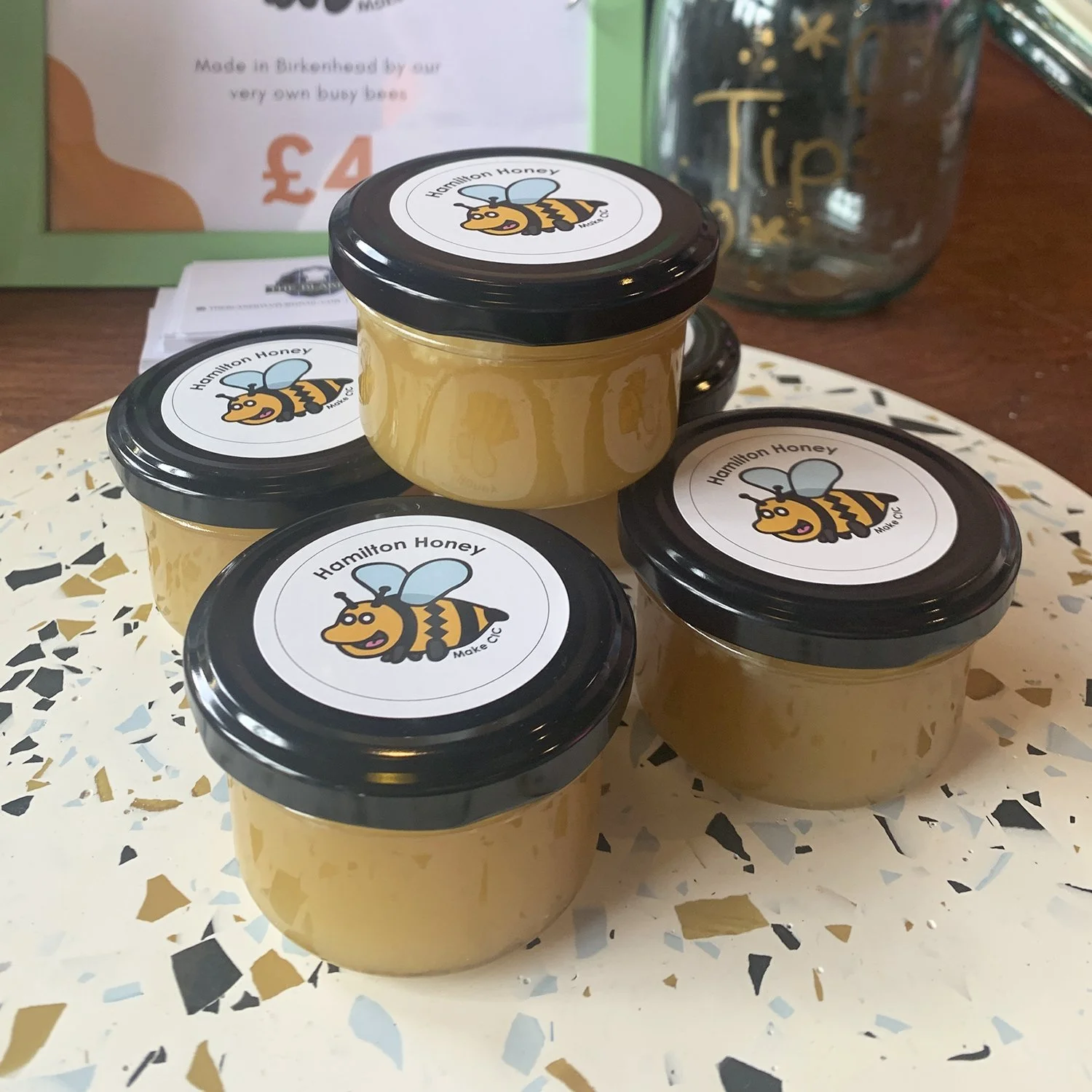
    We grow a mix of annual & perennial vegetables to support the café, flowers for the bees and herbs to make teas and herbal balms. Our wonderful resident bee keeper John currently manages 7 bee hives situated at the bottom of the garden. They produce our “Hamilton Honey” which can be bought in the café. John also runs seasonal workshops on beekeeping and honey harvesting.

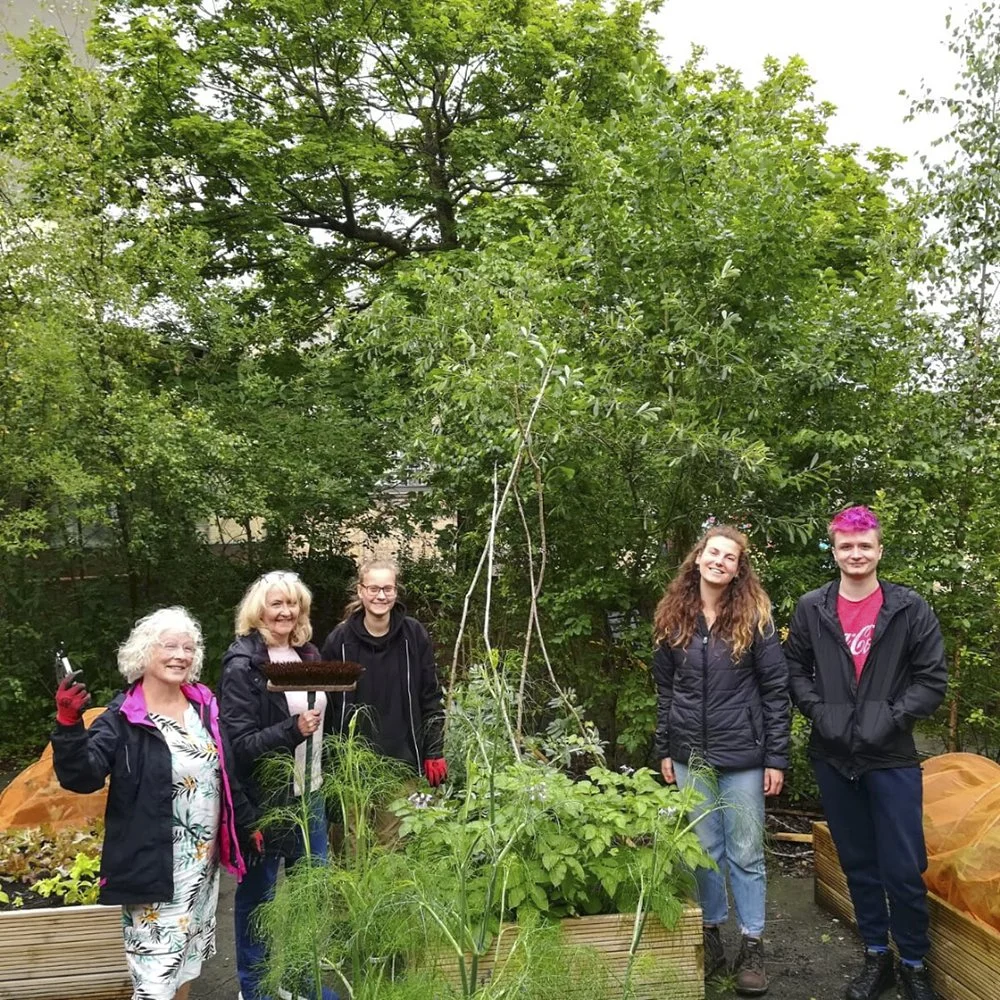
    We have a weekly drop in volunteer group every Friday which includes our residents, local people, staff and people from across the region who want to learn about food growing. Wirral Mencap and their volunteers also have a weekly gardening for wellbeing session in the garden every Thursday during the summer months.

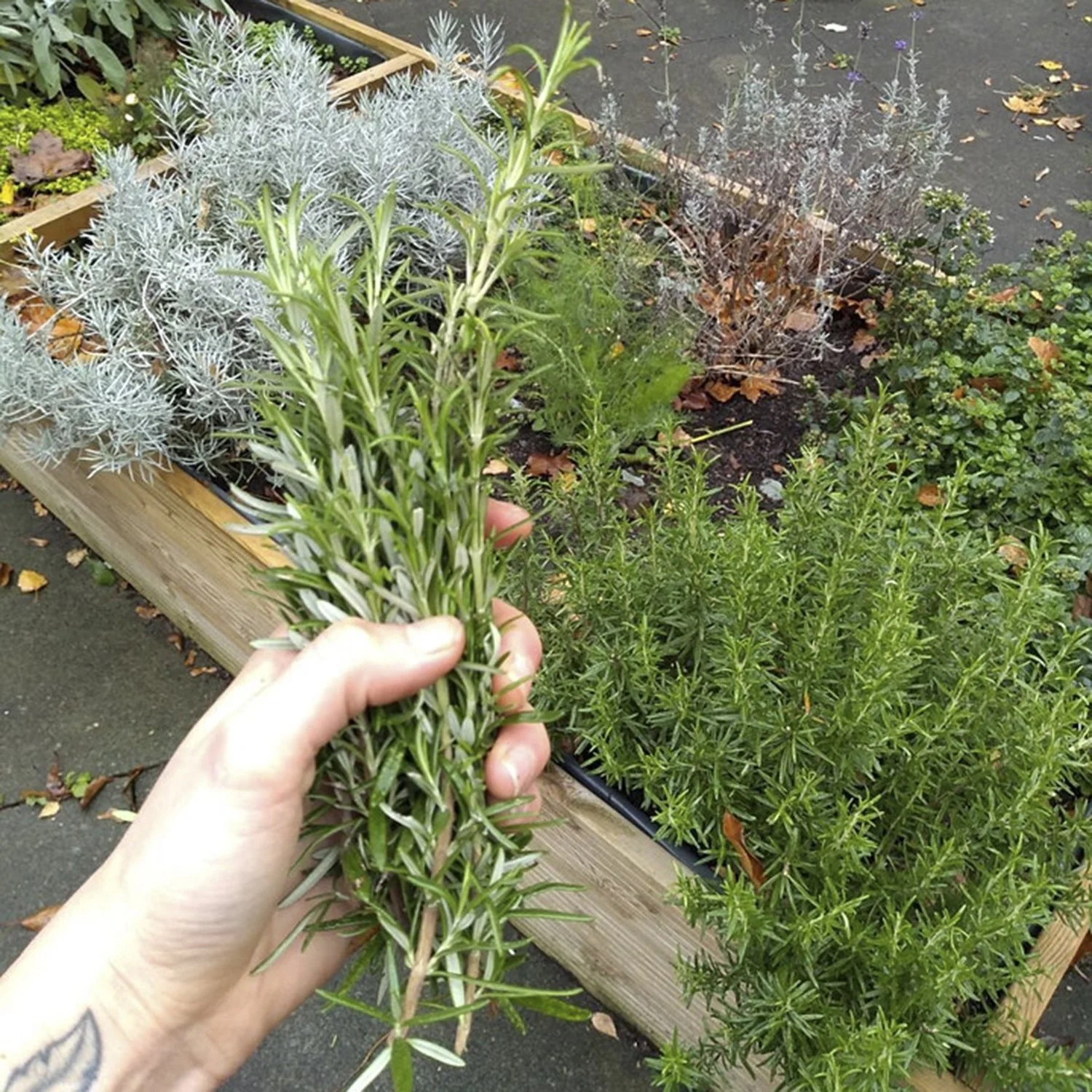
    The garden is also host to our seasonal “Herbs for Health” workshops which equip attendees with practical skills for making their own home remedies using seasonally available plants.

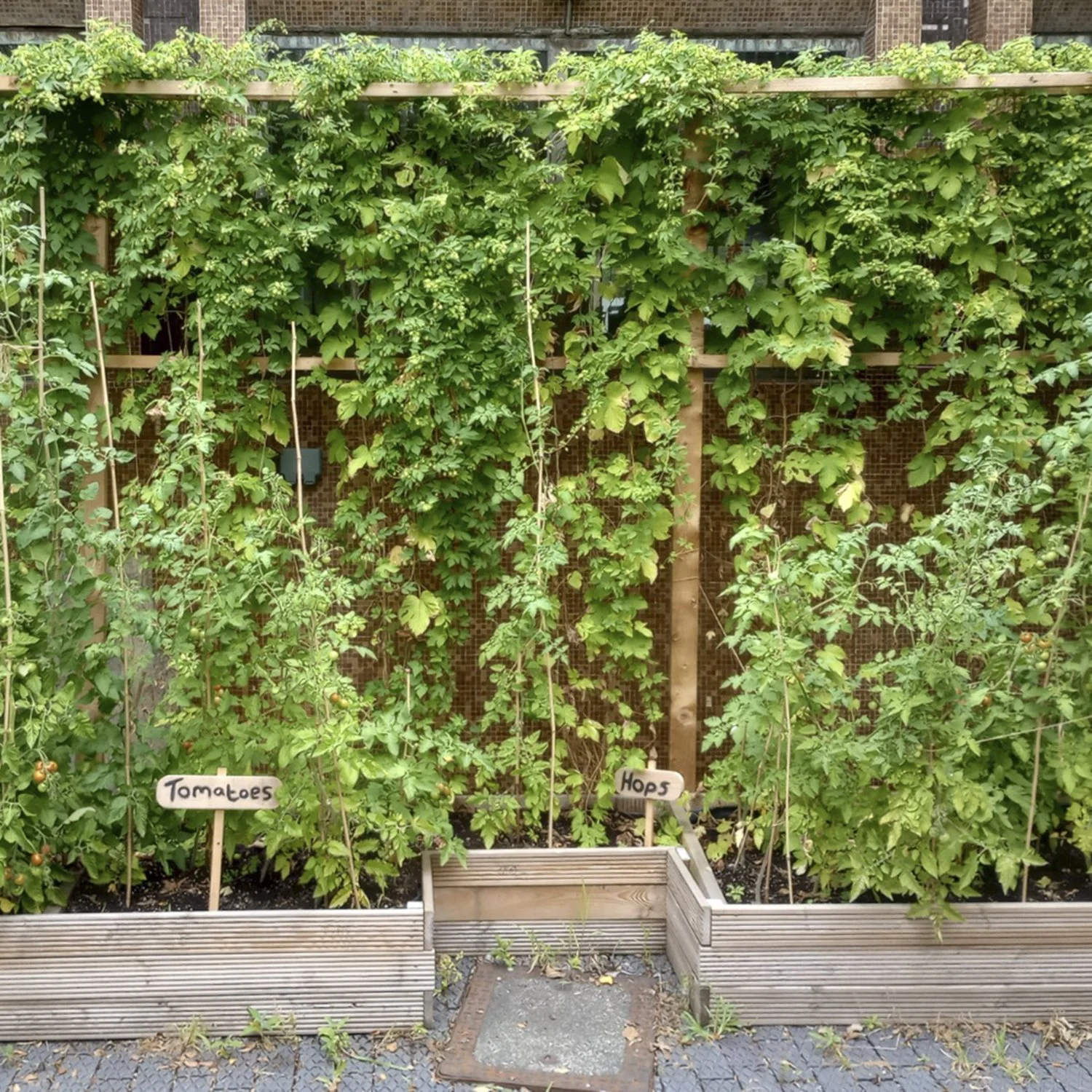
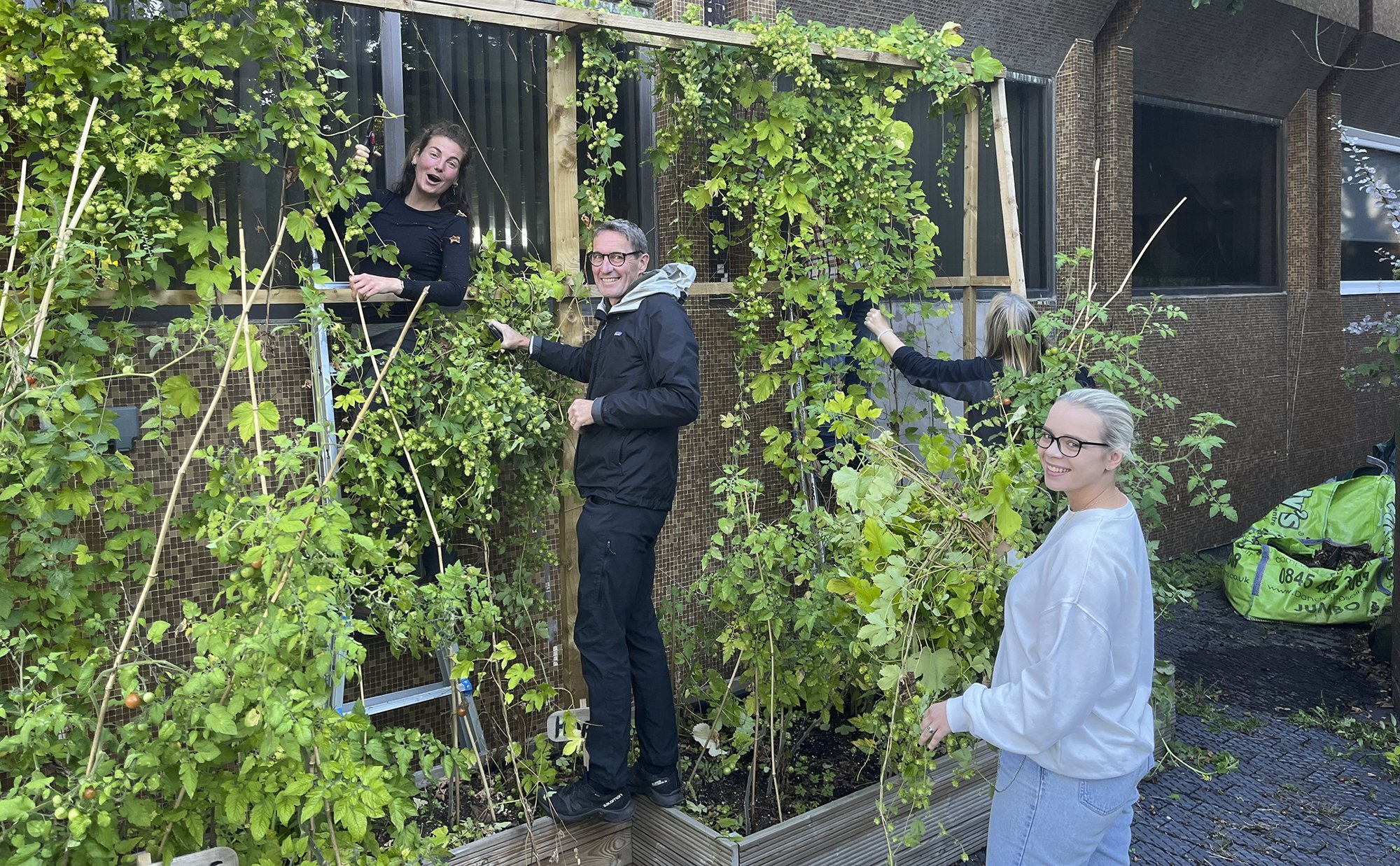
    And finally, our latest project in partnership with Callister Gardens and Brimstage brewery, growing hops for our very own locally brew “Birkenhop”!

     “Visit other gardens and talk to them about how they got started.”

    How long has your project been running?

    Since 2019

    What activities do your volunteers and workers take part in? ie gardening, cooking, woodworking, etc

    Food, herb & flower growing, herb drying and processing, hop harvesting, composting, painting

    What would be your 3 top tips for starting a food growing project?

    • Find some land that you can use for several years either by lease or as part of another organisation so you can ensure access and sustainability of the project.

    • Visit other gardens and talk to them about how they got started.

    • Ask for help! Lots of businesses in Liverpool are willing to support local projects if you ask.

    What is your favourite food to grow?

    Hops! We grew them for the first time this year and it was fascinating watching them grow, flower and eventually be turned into beer.
    And what garden tool could you not live without?

    Secateurs – we harvest a lot of flowers and smaller herbs for drying. 

    What is the most exciting thing about community food growing?

    The people that you meet in gardens – they always attract very interesting people from all walks of life with incredible skills and knowledge.


    Tell us what’s next for your project? What are your plans and dreams for the future?

    Our home grown beer, Birkenhop is now ready and we are holding a launch event on Weds 23rd November 2022 at Make Hamilton Square. We hope to grow community hops again next year, potentially linking up with other local gardens!

    Other exciting things in the pipeline are more beekeeping classes, herbs for health classes and new partnerships with other social enterprises including Grow Wellbeing. We want the garden to continue to grow as a multi-use space, hosting a variety of workshops, drop in sessions, wellbeing activities and as a place for people to relax and enjoy nature!

    Where can we find out more about your project?

    You can email me at rosie.ashton@makecic.org

    Or take a look at our website… www.makecic.org

  • Plot to Plate – Courgette Salad

    Plot to Plate – Courgette Salad

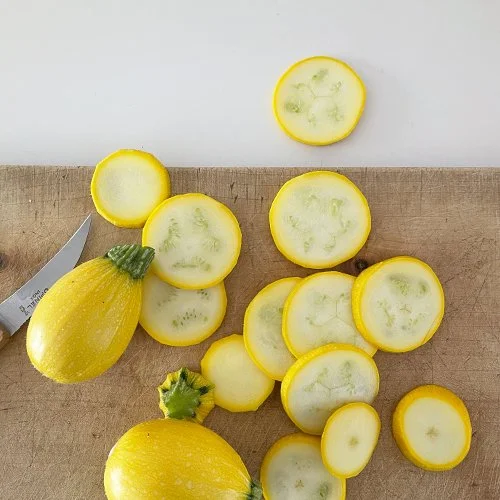
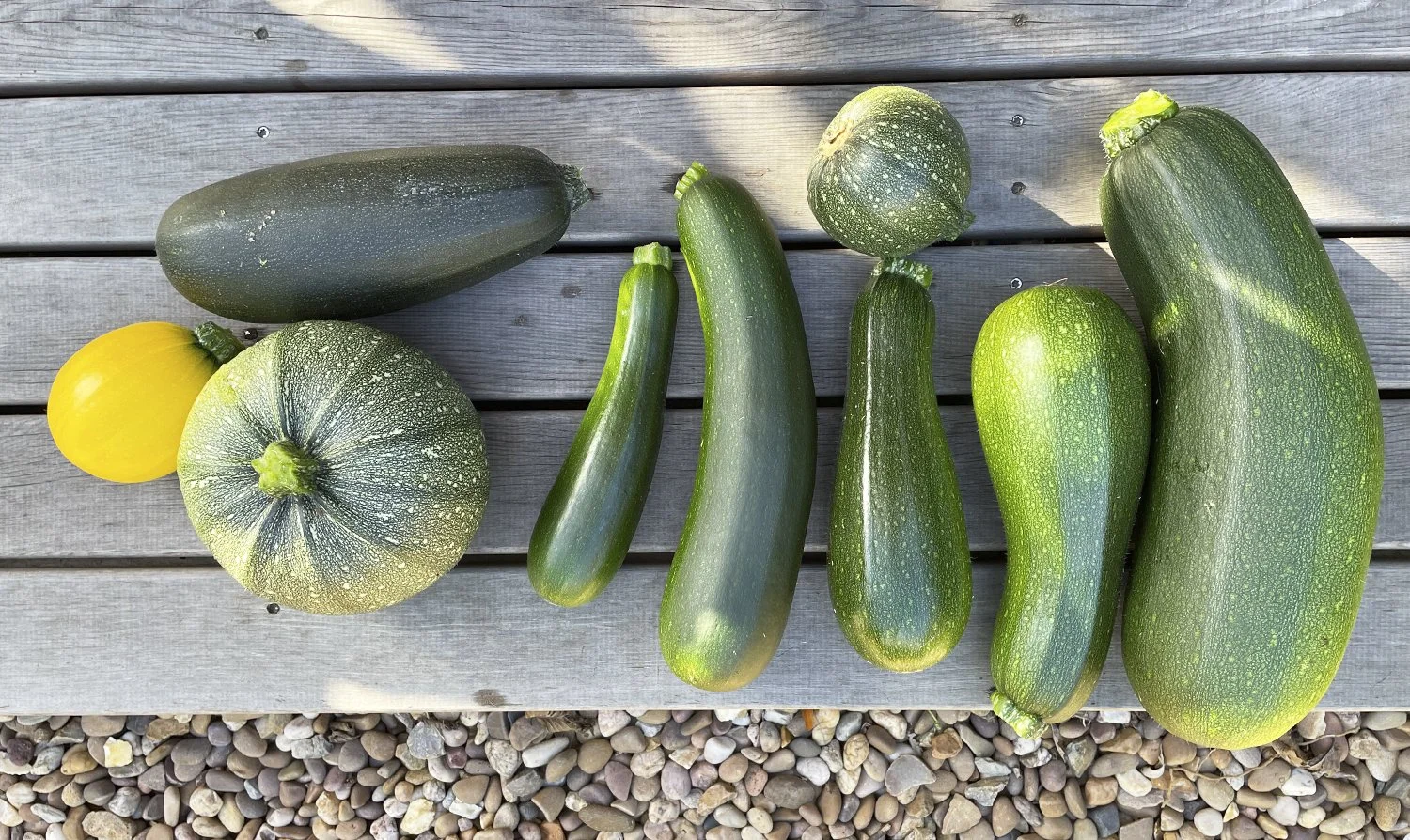
    Courgettes! Hit peak summer and we all have too many, so here’s a quick recipe to enjoy as a cold salad or added to pasta for a simple dinner dish. This dish works best with small, young courgettes and is especially nice with yellow Luneor varieties.
    1.  Courgettes are really nice raw! Use a box grater or sharp knife to very thinly slice the courgettes into rounds, almost see through.

    2. Add a pinch of salt, a good grind of black pepper.

    3. Add fresh herbs such as mint, basil and dill, plus the grated zest of a lemon, lemon juice and a good glug of virgin oil, olive or rapeseed.

    4. Toss together and let it sit for 20 minutes before serving to allow the flavours to develop.

    5. You can add pasta and feta to this to make a main course salad or just have as a tasty side.

  • Making Up Ground – The Role of Green Infrastructure in Urban Regeneration.

    Making Up Ground – The Role of Green Infrastructure in Urban Regeneration.

    This report by Groundwork looks at the place of green infrastructure in urban regeneration policy and spending, from the early 1980s to the present day.

    Their analysis of recent funding for place-based regeneration allocated through the Levelling Up Fund and the UK Community Renewal Fund found that:

    • Less than 5% of funding has been used to support green infrastructure regeneration projects

    • Less than a quarter of funding distributed to local authority areas through the Levelling Up Fund has gone to the half of areas where the average distance to green space is the longest

    They argue that green infrastructure is essential to both economic growth and community wellbeing. To truly ‘level up’ local areas, much greater emphasis should be placed on natural solutions in the upcoming UK Shared Prosperity Fund.

    “UK communities experience stark inequalities in access to nature. Almost three million people in the UK do not live within a 10-minute walk of publicly accessible green space.“

    Why does it matter?

    Communities experience stark inequalities in access to nature. Almost three million people in the UK do not live within a 10-minute walk of publicly accessible green space. Groundwork’s Out of Bounds report, published in 2021, found that people on lower incomes, ethnic minorities, disabled people and other minoritized groups experience complex barriers to nature connection. As well as lack of provision, these barriers often relate to accessibility, relevance and feelings of safety.

    There is strong evidence that the presence of green infrastructure in a community brings a wide range of benefits, including:

    • Boosting business and the local economy including through the creation of green jobs.

    • Improving individuals’ health and wellbeing.

    • Tackling climate change and protecting the environment.

    • Supporting social connections and cohesion.

      Therefore, green infrastructure has the potential to contribute significantly to place-based regeneration, whether through the ‘levelling up’ agenda or whatever takes its place.

  • Why Volunteer? Nancy’s Story

    Why Volunteer? Nancy’s Story

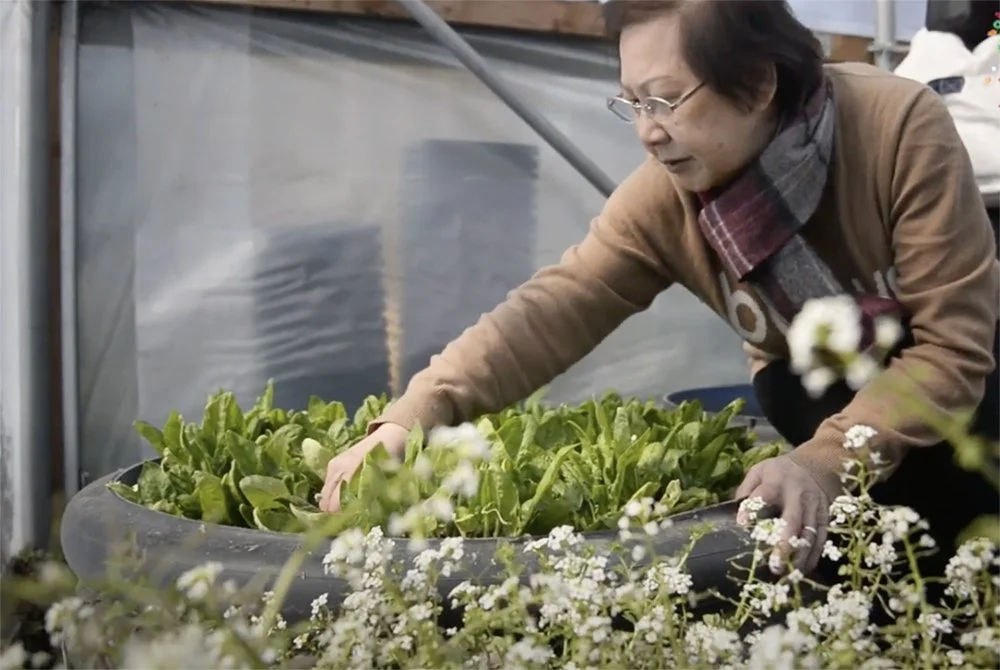
    Volunteering is a community garden or growing project can provide a wealth of positive experiences; from meeting new friends to getting fit, free food to quiet meditation there are so many reasons why we volunteer to grow. In this short film Nancy Ng talks about her experiences of volunteering at Grow Speke.

    “We can grow plants, give them to the people in the community who need them… that is really something.“

    Interested in volunteering? Check out our Opportunities page or take a look at our network map to find your local projects.

  • Urban Crops Can Have Higher Yields Than Conventional Farming.

    Urban Crops Can Have Higher Yields Than Conventional Farming.

    With special thanks to the University of Liverpool, this research study explores the power of urban farming and how we can use the boom in urban agriculture to tackle food inequality.

    As urban populations boom, urban agriculture is increasingly looked to as a local food source and a way to help combat inequitable food access. But little is known about how productive urban agriculture is compared to conventional, rural farming. A new study digs in, finding urban gardeners and hydroponics can meet and sometimes exceed the yields of rural farms.

    “Despite its growing popularity, there’s still quite a lot we don’t know about urban agriculture, like whether the yields are similar to conventional agriculture, or even what crops are commonly grown,” says Florian Payen, an environmental scientist at Lancaster University and lead author of a study, published in AGU’s journal Earth’s Future.

    “ Some crops, like cucumbers, tubers and lettuces, are two to four times higher than conventional farming.”

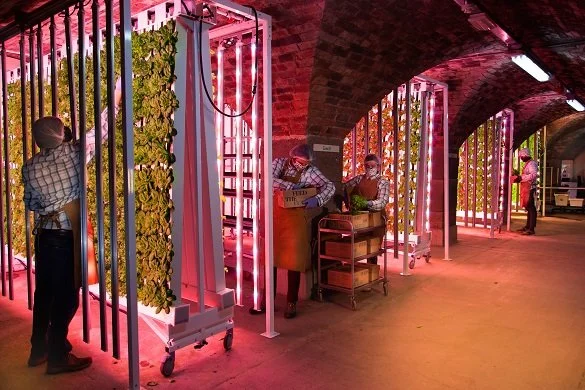
     Farm Urban, Liverpool
    Farm Urban, Liverpool

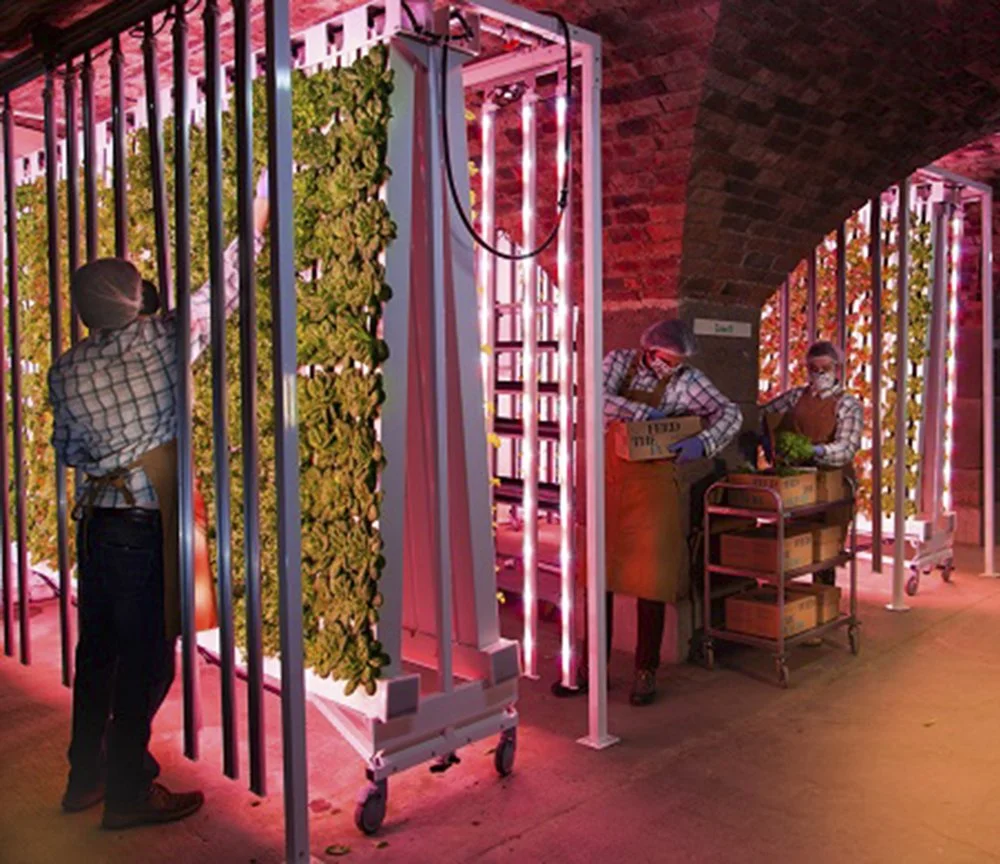
    The new study compiles studies on urban agriculture from 53 countries to find out which crops grow well in cities, what growing methods are most effective, and what spaces can be utilized for growing. The researchers find that urban yields for some crops, like cucumbers, tubers and lettuces, are two to four times higher than conventional farming. Many other urban crops studied are produced at similar or higher rates than in rural settings. Cost efficiency remains an open but important question.

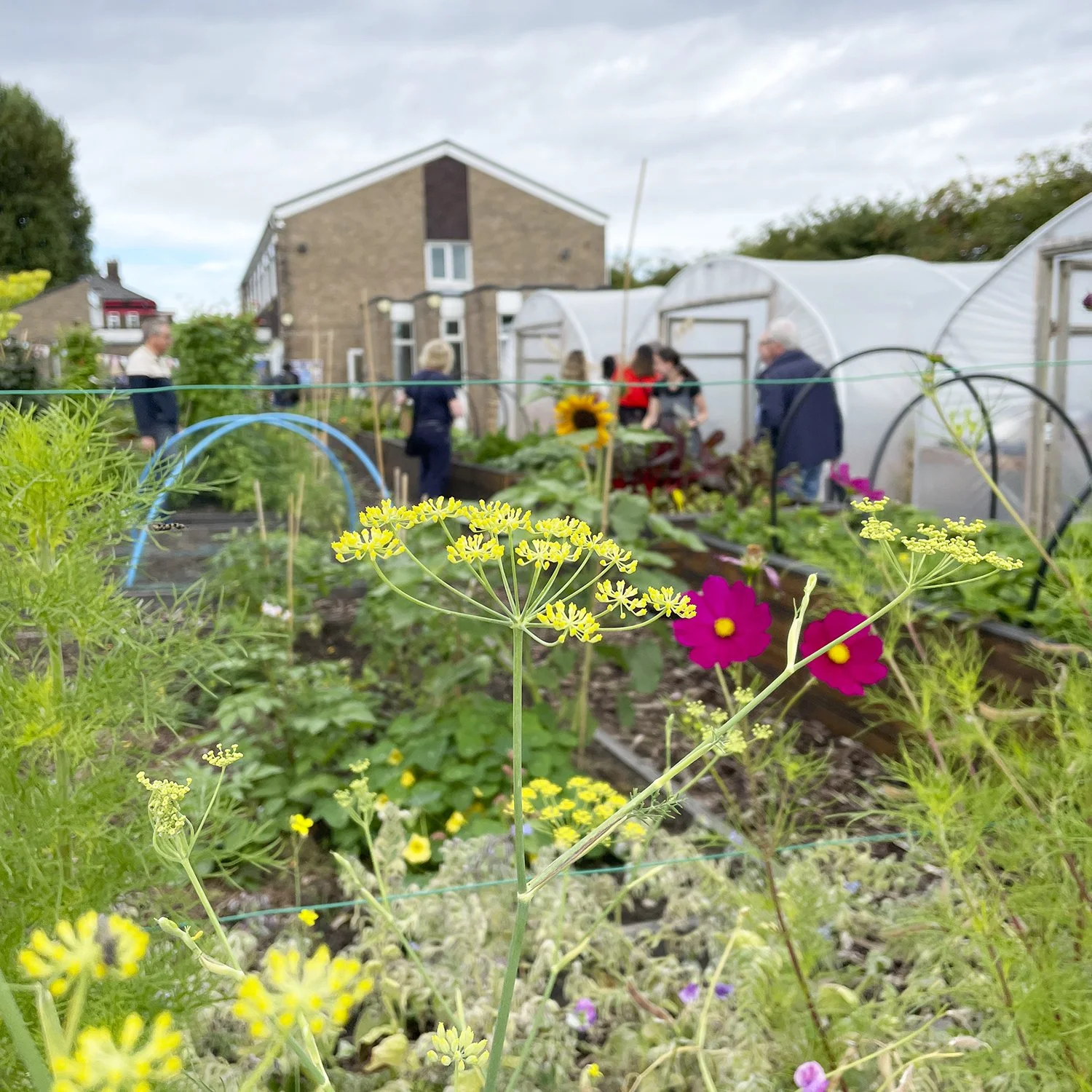
     La Salle Kitchen Garden, Liverpool.
    La Salle Kitchen Garden, Liverpool.

    Most studies on urban agriculture have focused on green spaces, such as private and community gardens, parks and field growing operations. Payen’s work includes “gray” spaces — places in cities that are already built but could be used for growing, such as rooftops and building facades. In both green and gray spaces, the study examines a suite of crops grown in soils versus hydroponics, horizontal versus vertical farming, and natural versus controlled conditions.

    To read the full article and and explore the research findings click below.

  • Plot to Plate – Leafy Herb Pesto

    Plot to Plate – Leafy Herb Pesto

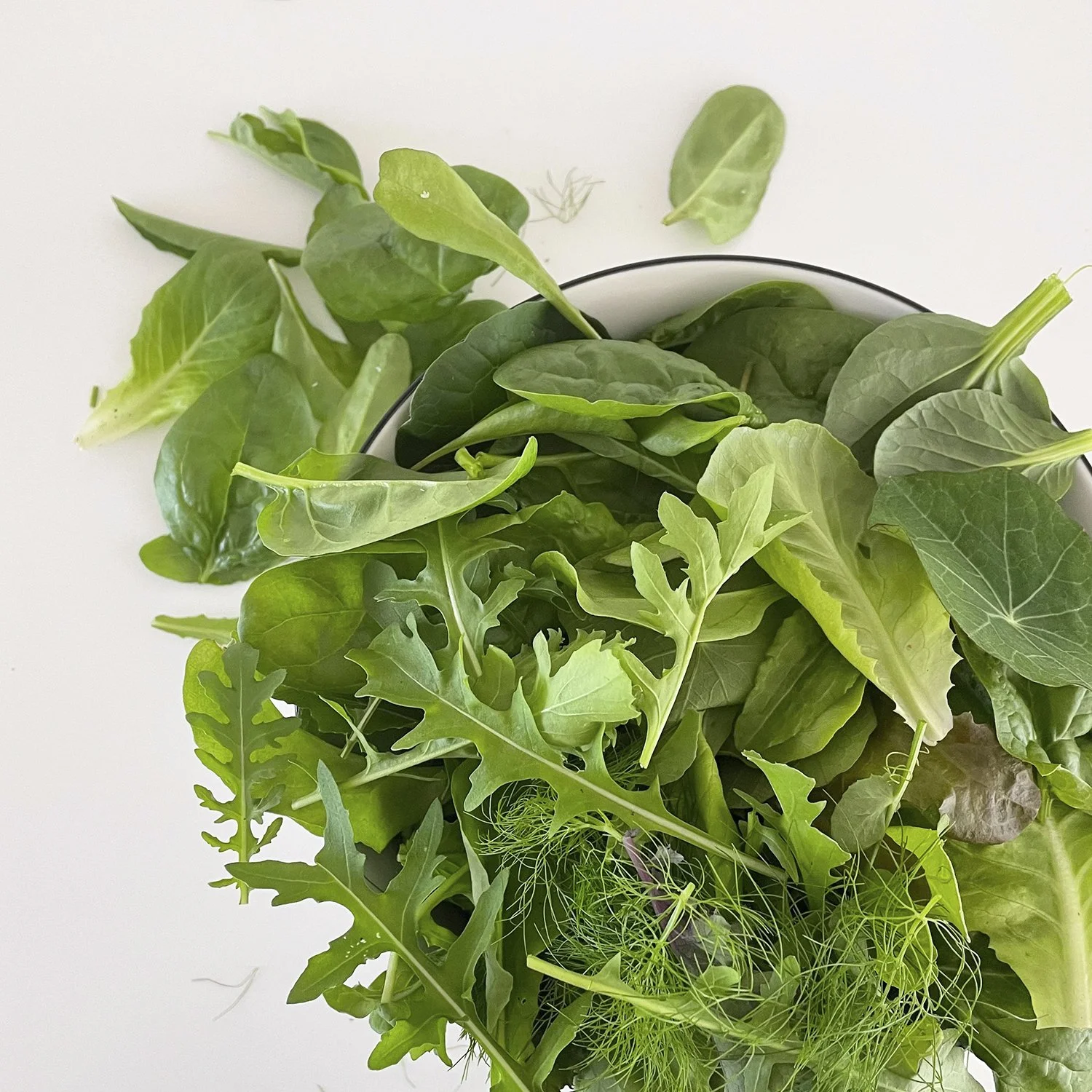
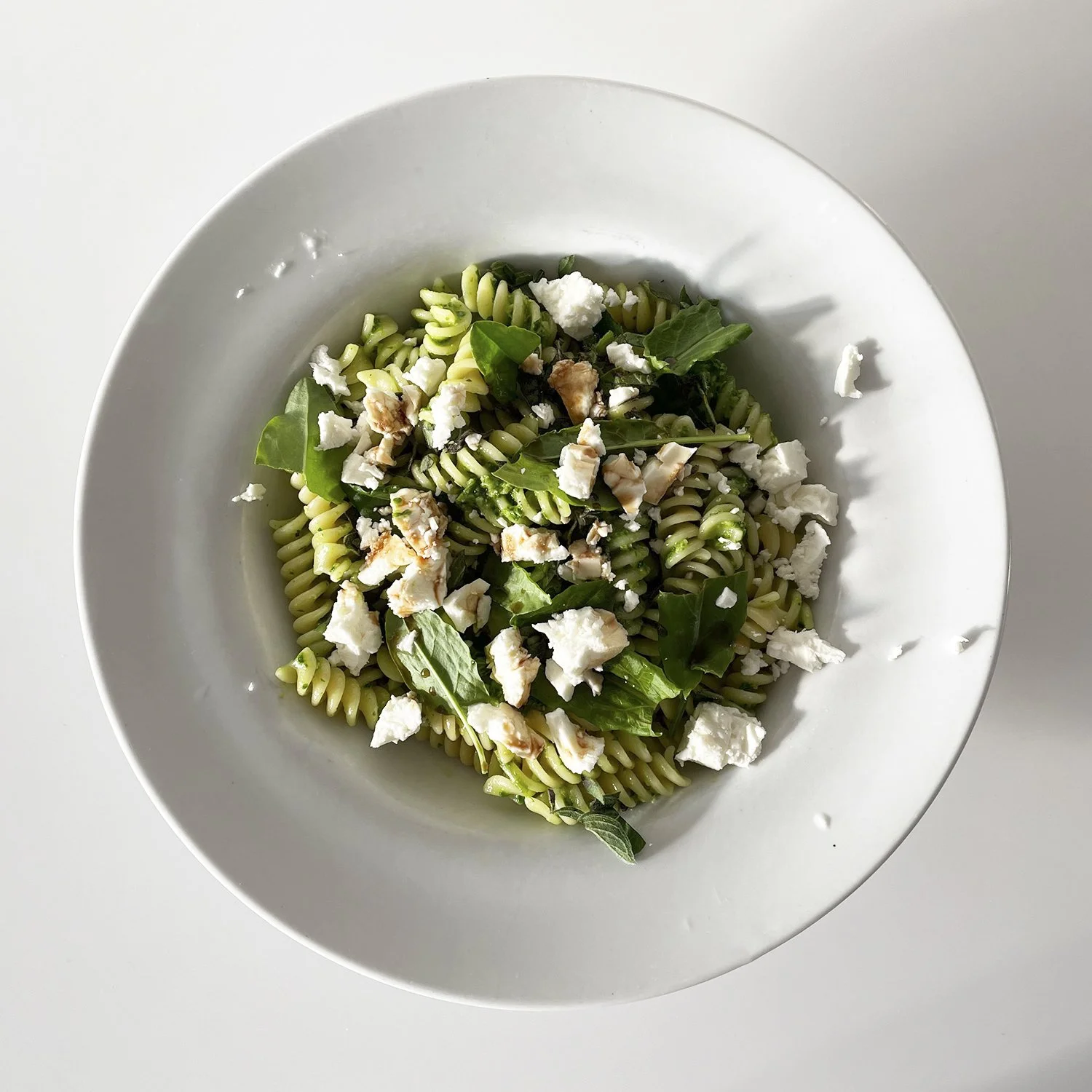
    If you have a glut of leafy greens and fresh herbs or are clearing space for new crops, then this quick and simple pesto recipe is full of freshness and can really pack a punch. Rocket, spinach, basil, nasturtium and sorrel all work really well but any leafy greens make great pesto and each different leaf will create a different flavour. Don’t be afraid to mix and match.

    Perfect on pasta, and great as a dip or sandwich spread. This pesto will keep in the fridge for 7-10 days or in your freezer for up to 3 months.

    1. Wash and gently dry two large handful of leaves and add to a food processor or pop in a bowl for hand blending.

    2. Add a handful of nuts or seeds. Pine nuts, sunflower seeds, macadamias and walnuts all work well. Use whatever you have in your cupboards!

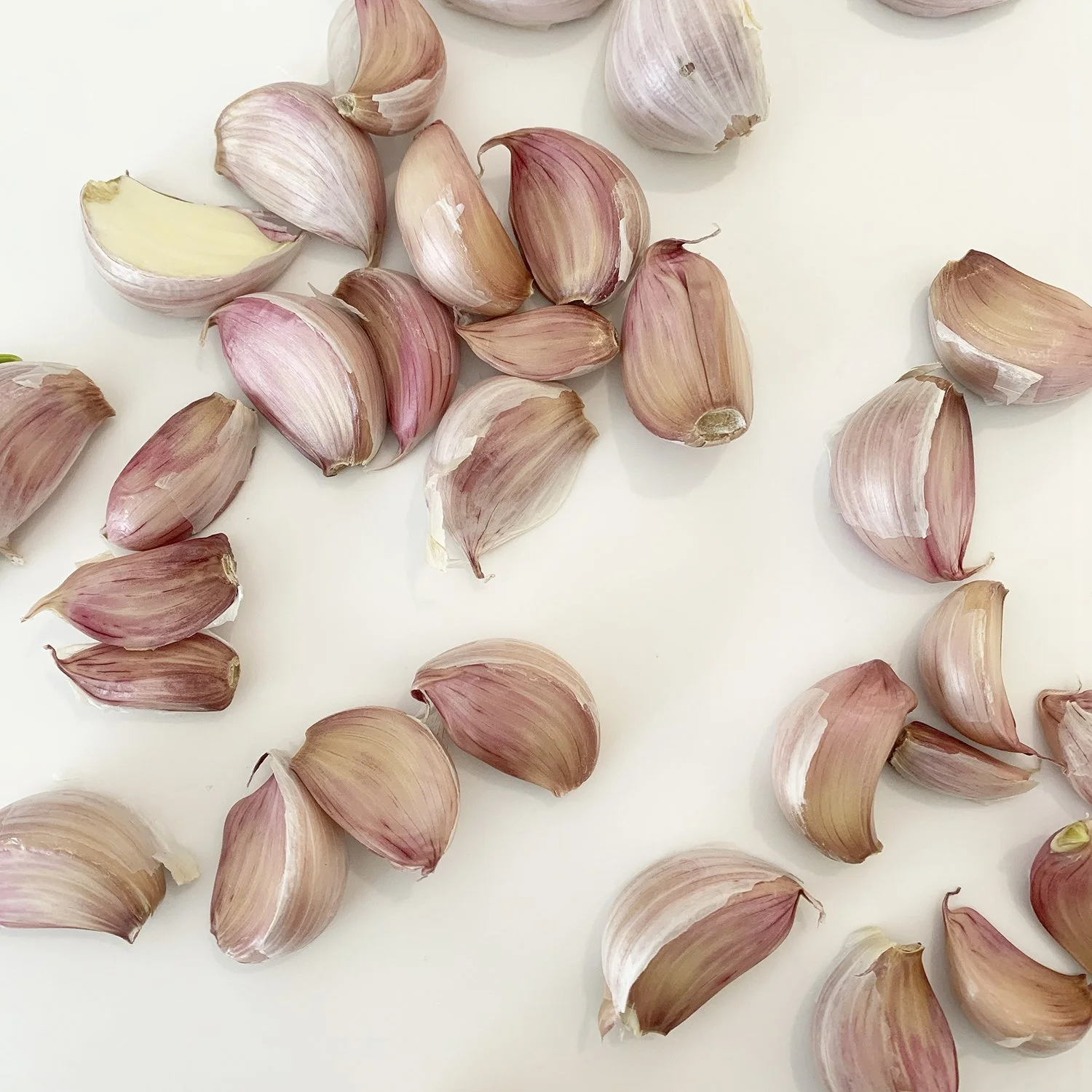
    3. Add a peeled clove of garlic, a big splash of lemon juice and a few glugs of olive oil.

    4. Whiz up in the blender and then keep adding any combination of ingredients to get to your preferred taste, texture and consistency.

    5. Blend in a handful of grated parmesan or vegan hard cheese.

    6. Taste, adjust and serve.

      This pesto is amazing stirred into pasta and served with some crumbly feta or roasted tomatoes. Enjoy!

  • Growing Stories – Prenton Community Garden

    Growing Stories – Prenton Community Garden

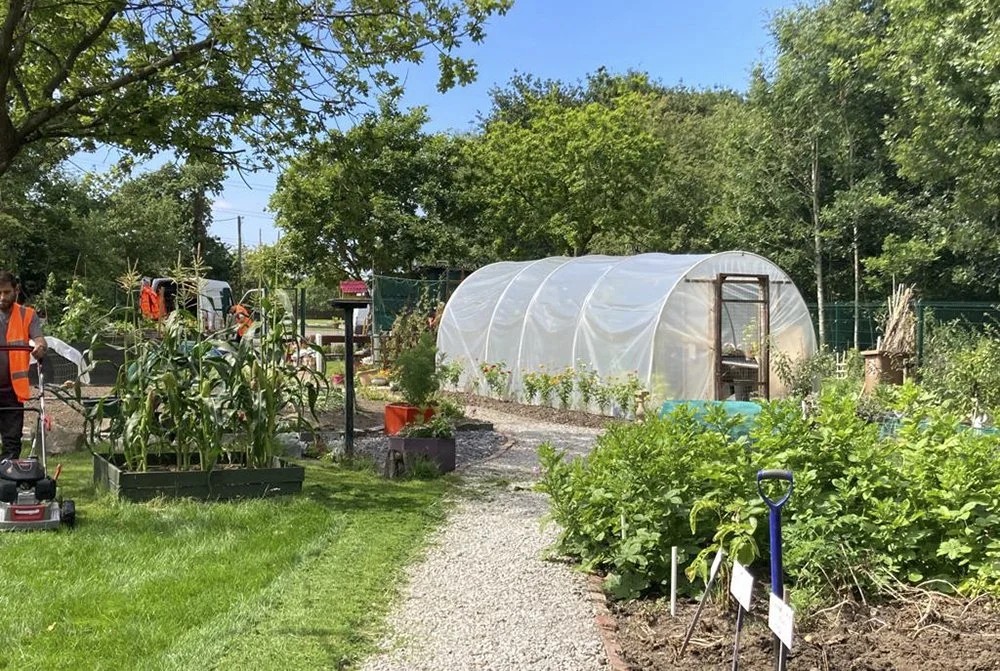
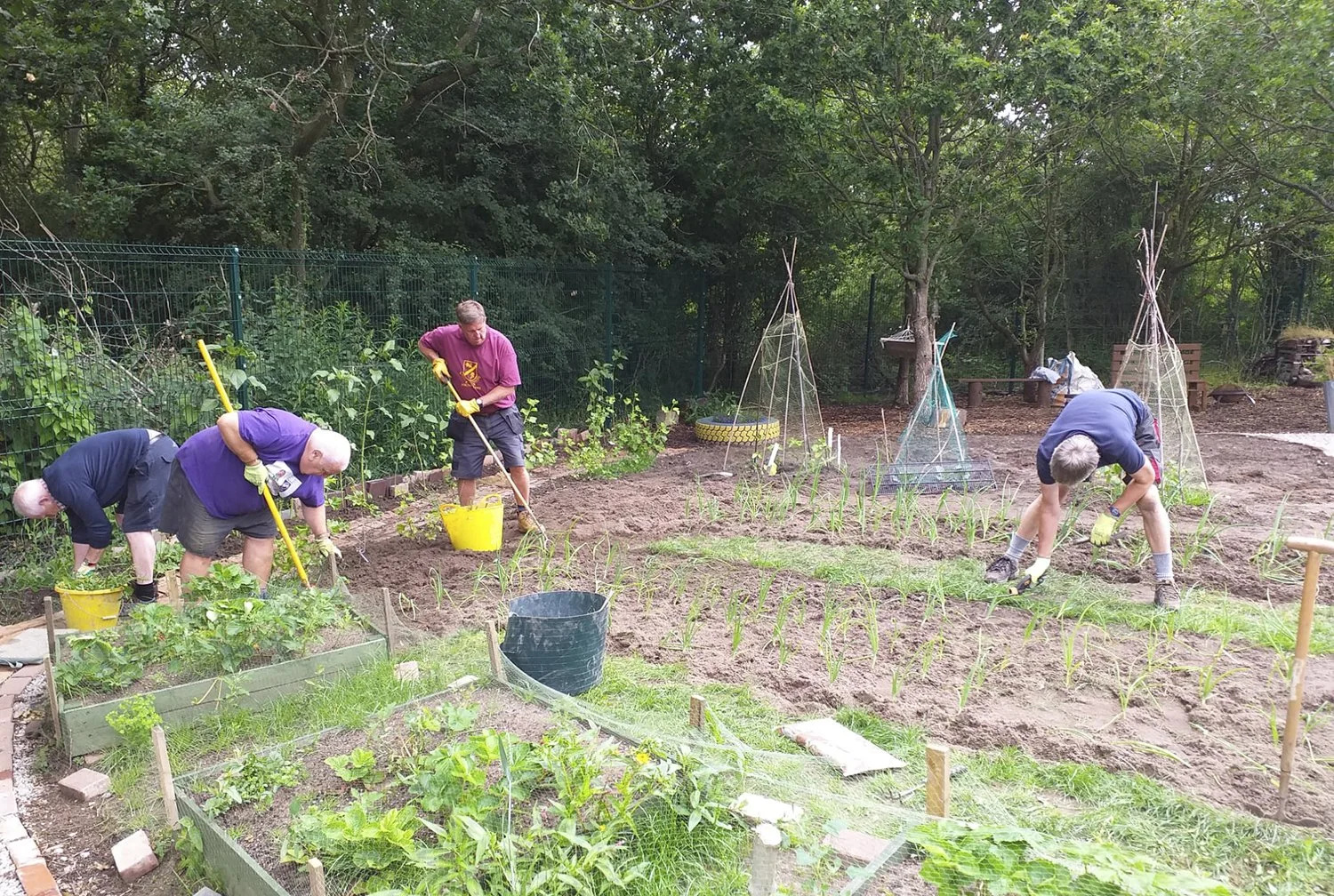
    Each month we take a trip to one of the network’s amazing growing projects to find out a bit more about the plot, the people, the harvests and the hopes. This month we are catching up with the gardeners at Prenton Community Garden on the Wirral, a project run by volunteers at Prenton Rugby Club which helps to supply produce to the local community and food banks.

    “Don’t be too disappointed when some things fail to thrive… it’s a learning curve, try something different.”

    What is your growing project called? And where can we find you?

    We are Prenton Community Garden and you can find us at Prenton Rugby Club on the Wirral.


    Tell us a bit about your project… what do you grow, how many people are involved, who uses your produce?

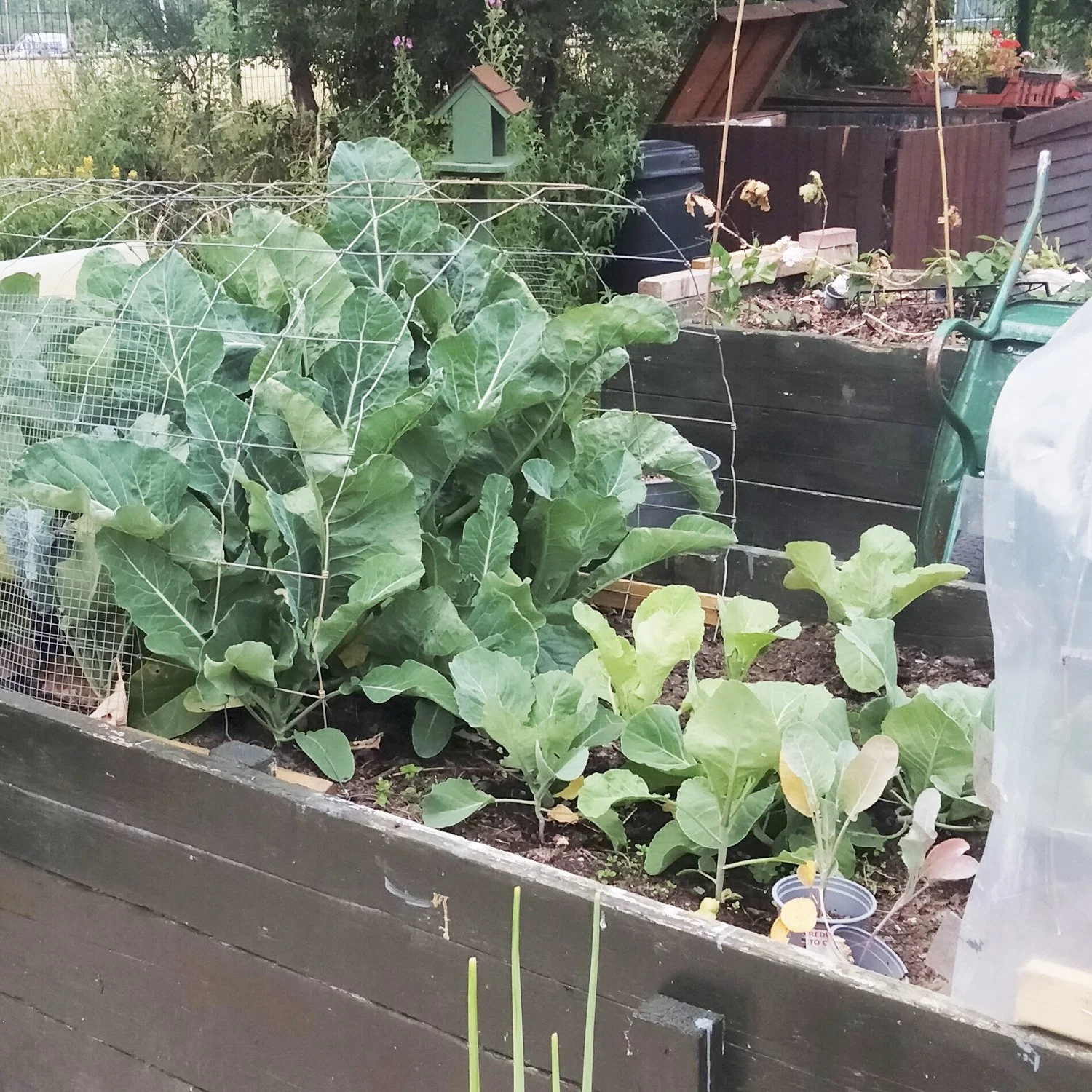
    There are about twelve people involved. This year we have grown, potatoes, tomatoes, cucumbers, cauliflowers, sweetcorn, red cabbage, lettuce, strawberries and chilies as well as flowers. The produce goes to our volunteers, visitors and we supplied potatoes to local Tenant and Resident’s association for their food bank.


    How long has your project been running?

    We started in 2020.


    What activities do your volunteers and workers take part in?

    Gardening, hard landscaping, construction.


    What would be your 3 top tips for starting a food growing project?

     1. Manage your expectations. Don’t be too disappointed when some things fail to thrive as it’s a learning curve, just try something different.

    2.      Research what you want to grow to see if your space is suitable.

    3.      Make sure that you have access to compost or can start making your own.

    “There is nothing like eating a tomato directly from the plant.”

    What is your favourite food to grow?

    Potatoes are our biggest success but there is nothing like eating a tomato directly from the plant.


    And what garden tool could you not live without?

    So many, from a fork to a ball of string!


    What is the most exciting thing about community food growing?

    Seeing people enjoy the fruits (and veg) of your labour.

    Tell us what’s next for your project? What are your plans and dreams for the future?

    ·       We need to keep improving the quality of our soil through composting.

    ·       We want to encourage more people to get involved including local primary school.

    ·       Ultimately, we want to maximise the use of our space.


     Where can we find out more about your project?

    You can email us at prentoncommunitygarden.outlook.com, and we are working on a Facebook page.