Blog

  • Plot to Plate – Garden Frittata

    Plot to Plate – Garden Frittata

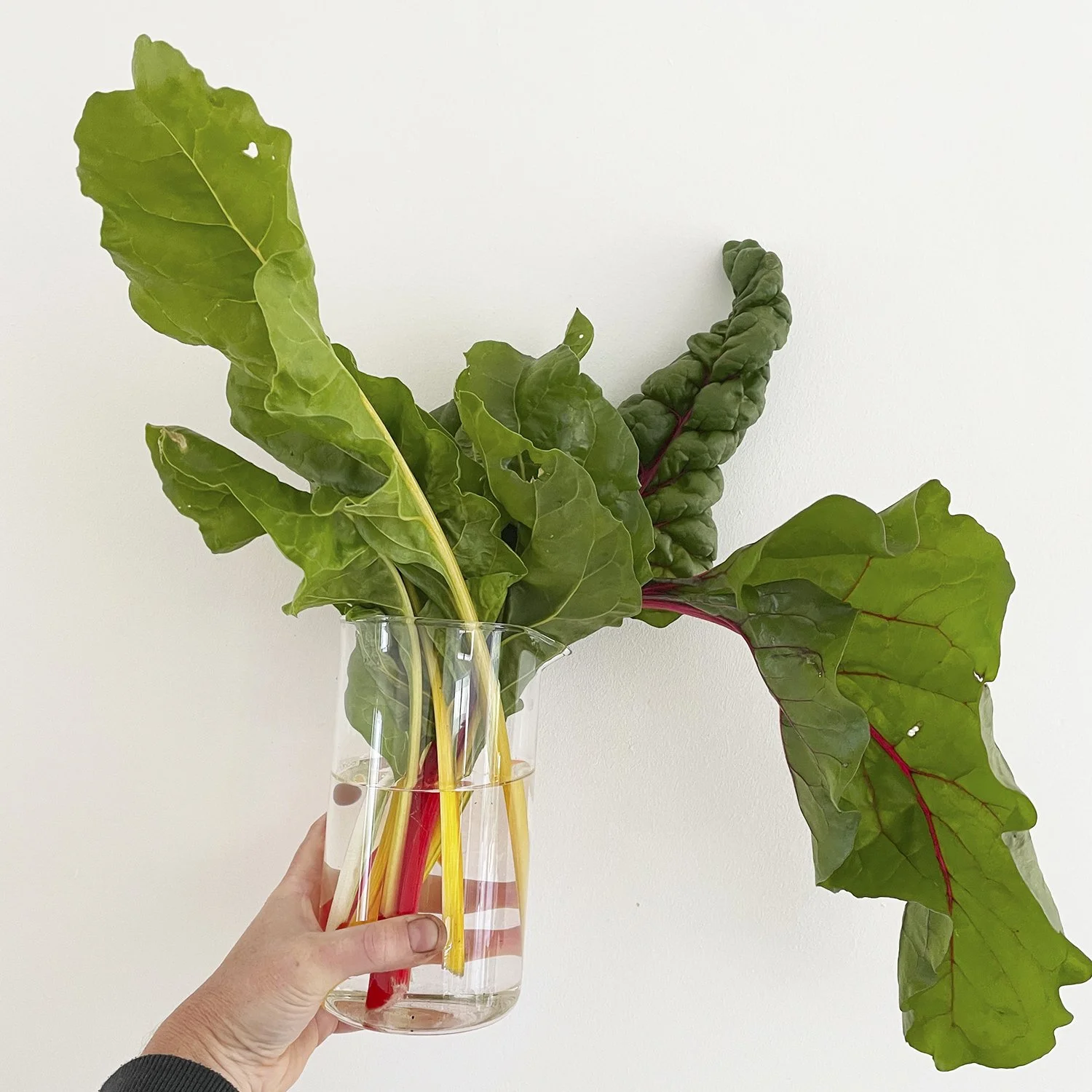
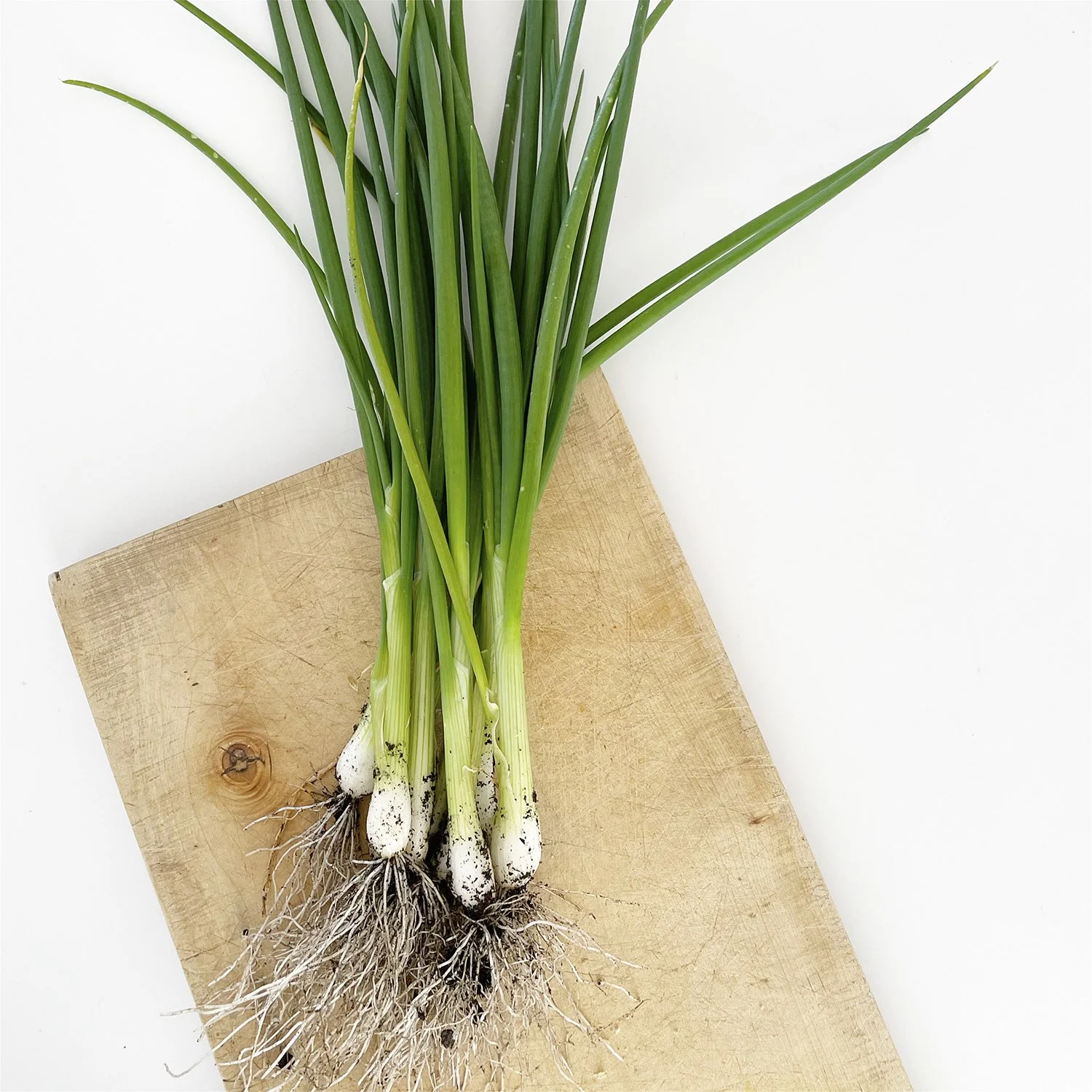
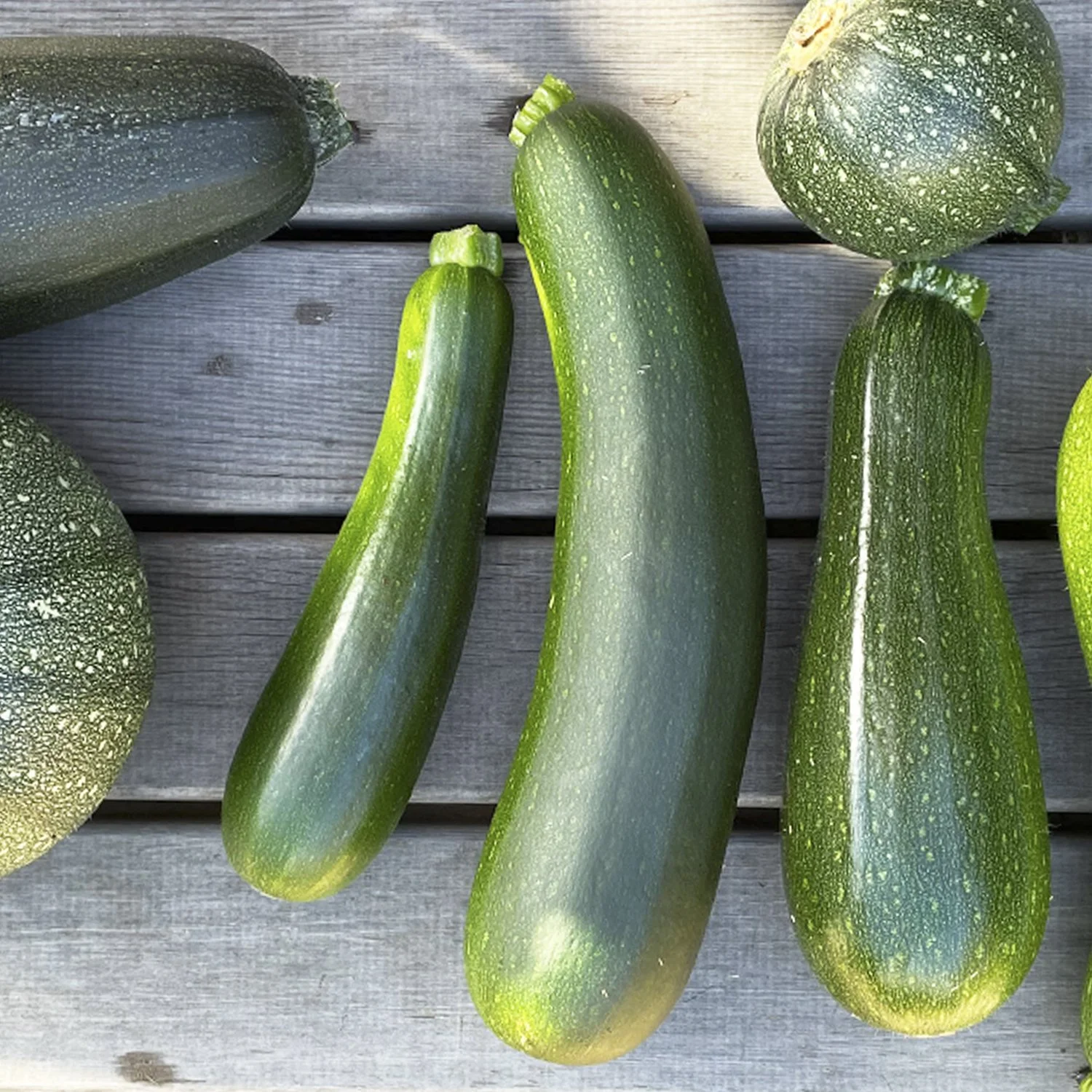
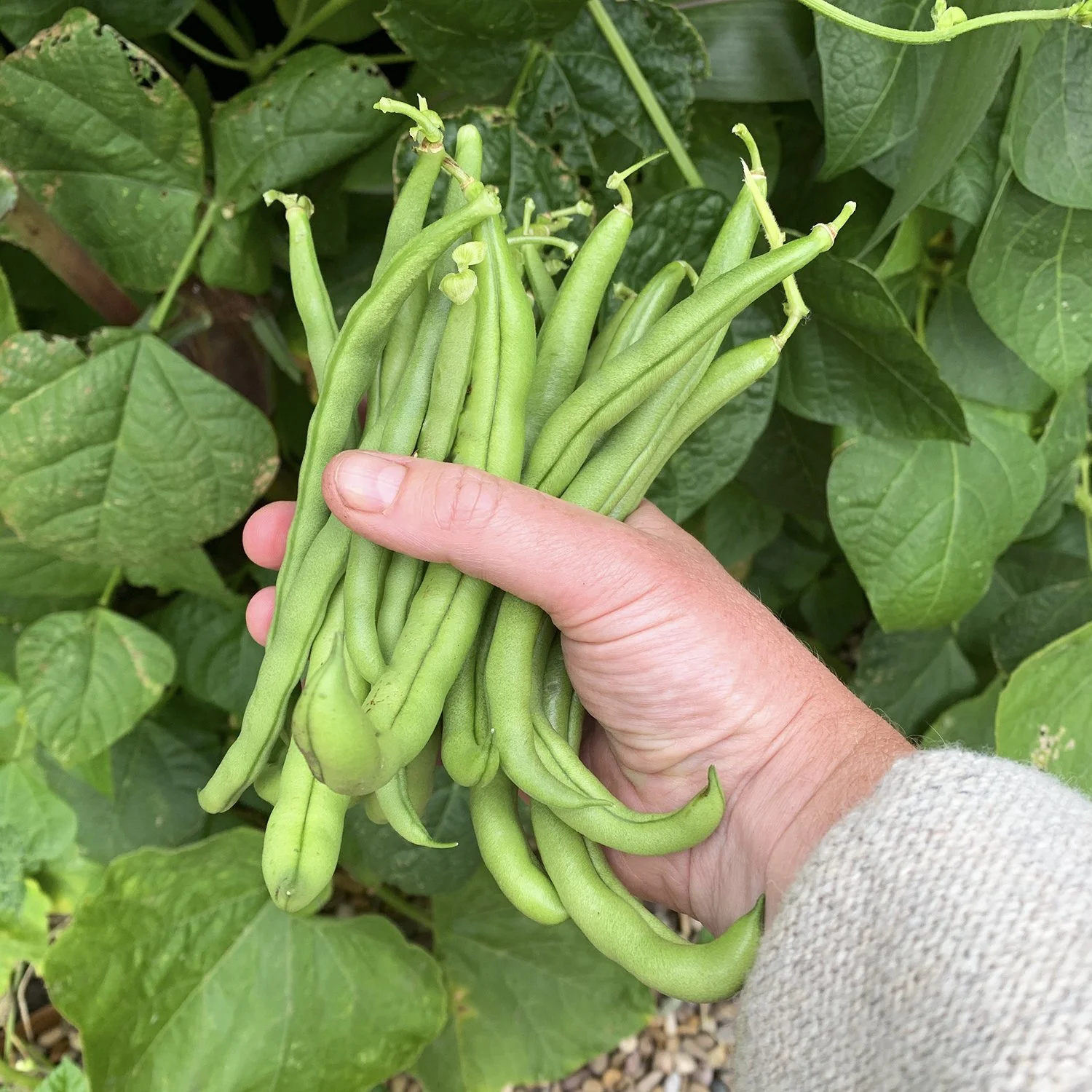
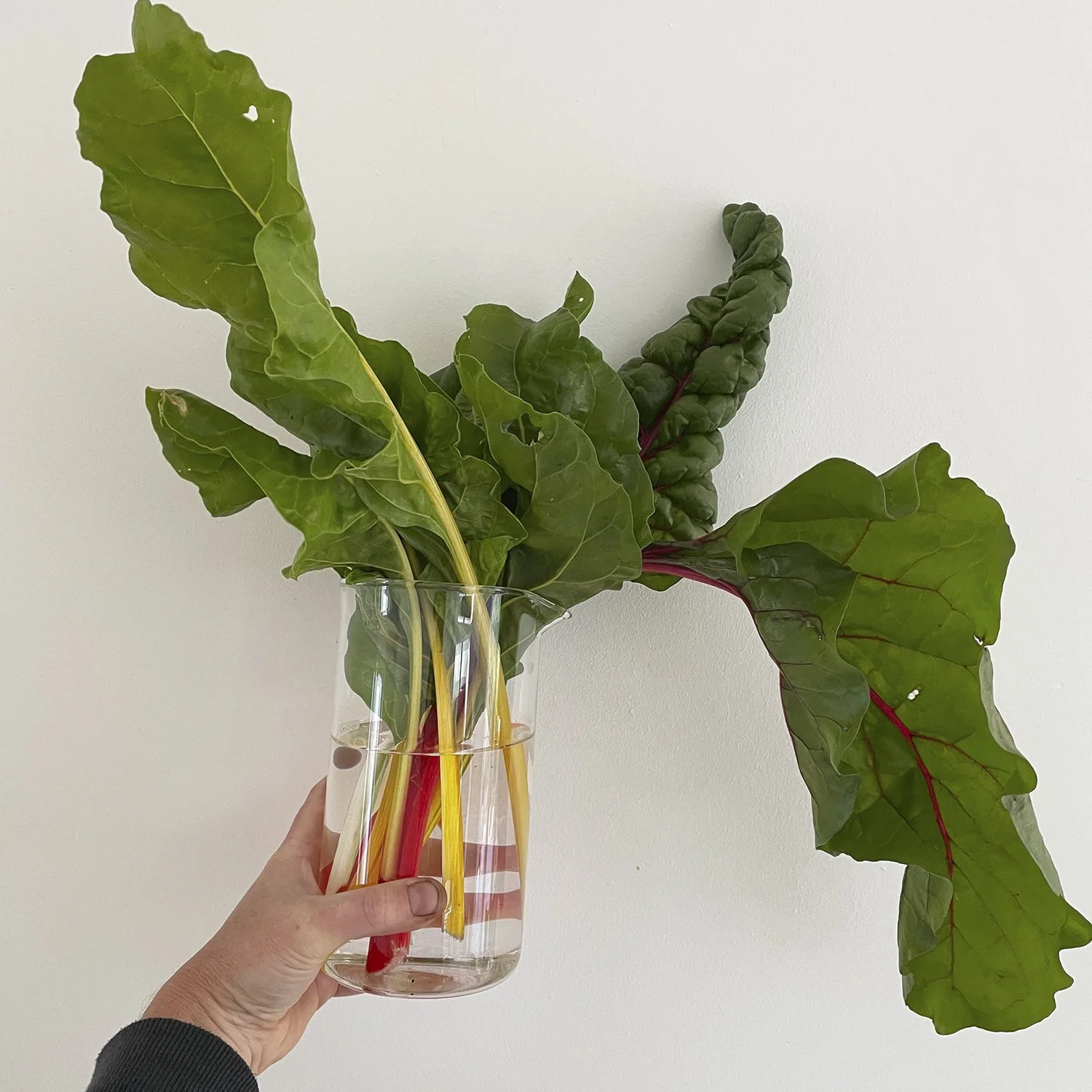
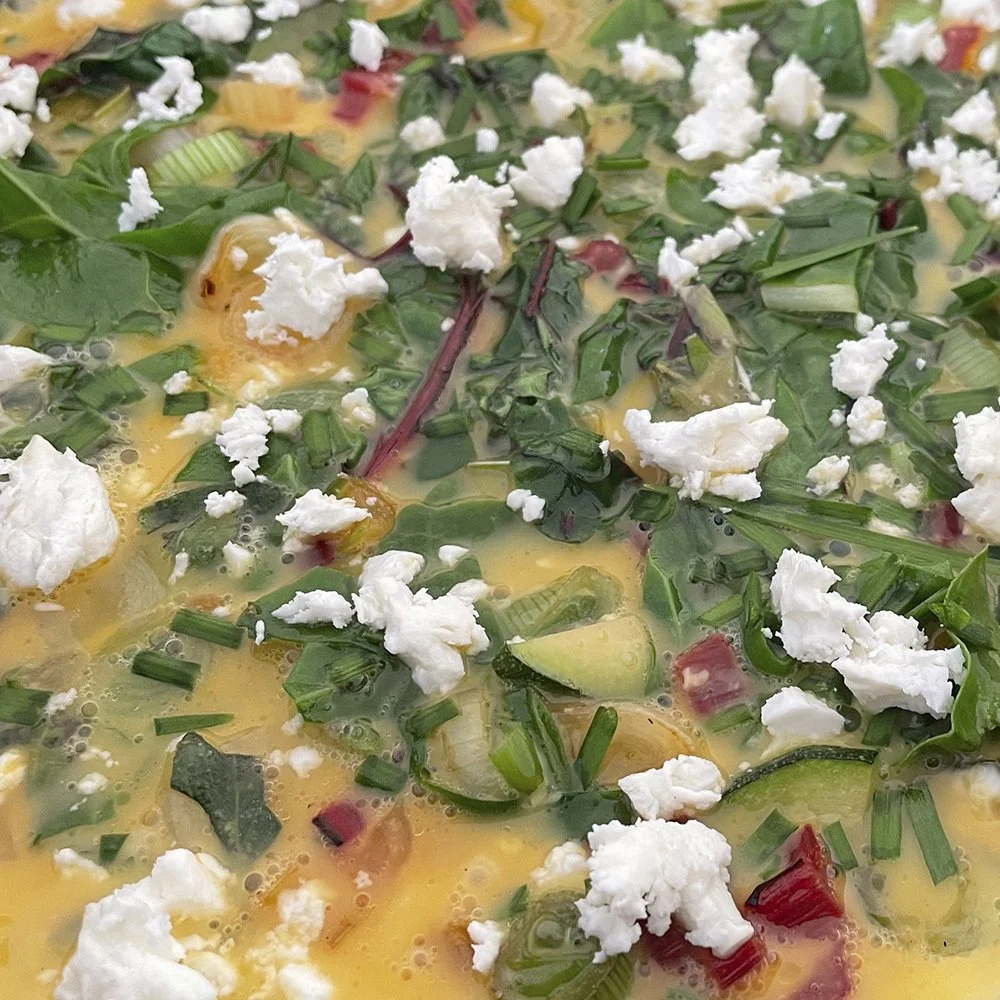
    This is one of our favourite garden suppers and can be adapted throughout the year depending on what’s in season. Try fresh spring spinach and wild garlic, summer courgettes with peas and herbs, or colourful winter chard. No rules!

    1. Chop up your selected vegetables and fry gently in oil or butter in a non-stock pan for a couple of minutes until heated through.

    2. Beat 2-3 eggs in a bowl (more if you are feeding a hungry crowd!). Season with salt and pepper. You can also chop in fresh herbs at this point. Chives, oregano, basil and parsley all work really well.

    3. Add the egg mix to the pan, pouring over the top of the warmed vegetables.

    4. Let it cook gently until it has set underneath.

    5. Grate over some cheese – a sharp Lancashire is delicious and Feta adds a lovely salty flavour.

    6. Pop the pan under the grill (not the handle if plastic!) to melt the cheese and set the top of the omelette.

    7. Allow to cool and slice into quarters.

      Frittata is great for lunch boxes or add some summer leaves (or garden chips!) for a bigger meal.

  • Growing Stories – Emmaus Beautiful Garden

    Growing Stories – Emmaus Beautiful Garden

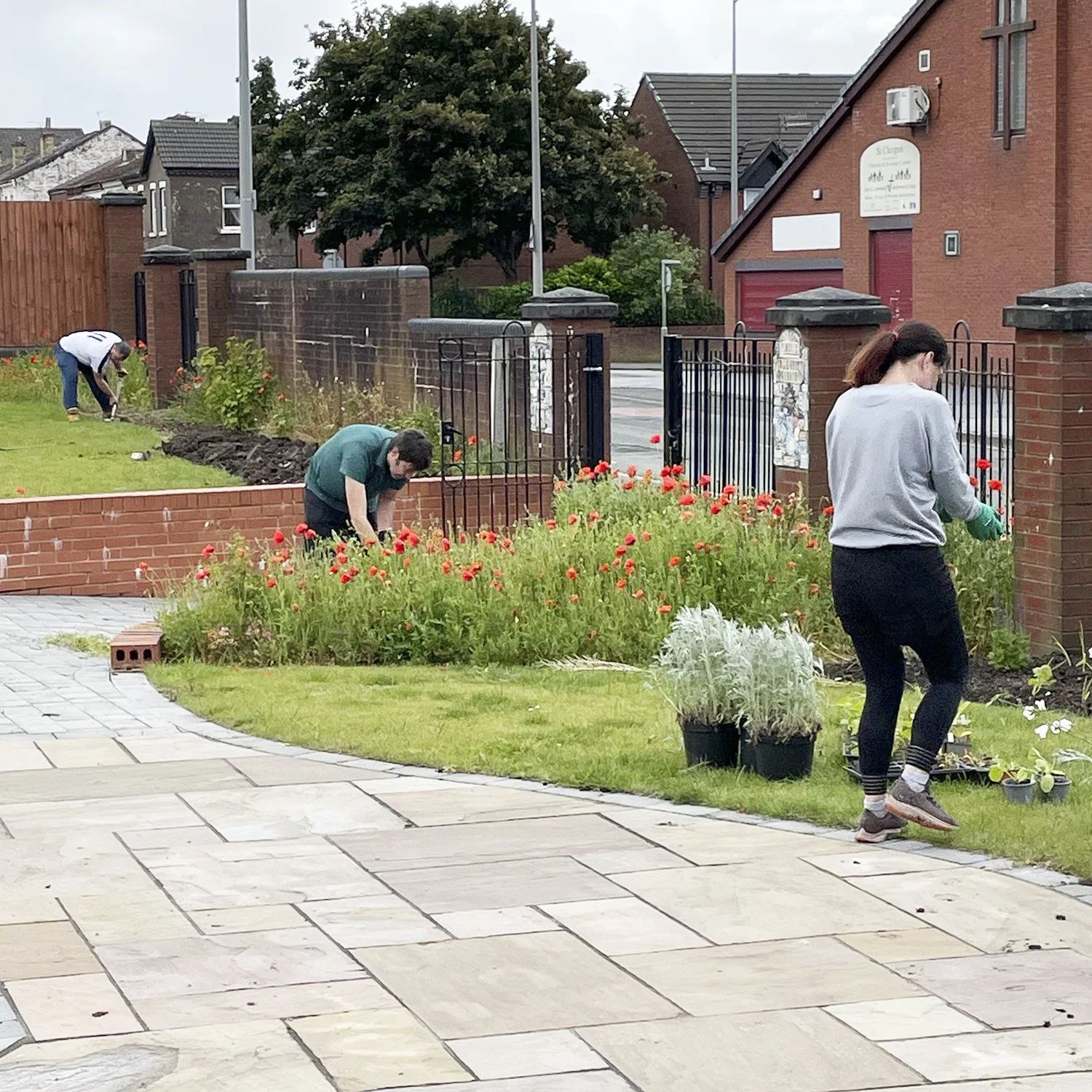
    Each month we take a trip to one of the network’s amazing growing projects to find out a bit more about the plot, the people, the harvests and the hopes. This month we are catching up with the gardeners at Emmaus Beautiful Garden in Seaforth, a project adjoining the incredible Emmaus House, a charity that provides a home, as well as education, training and work to people who have experienced homelessness.

    “Stand back for a minute and see yourself helping the planet, know that you are an important catalyst in the regeneration of essential life. “

    What is your growing project called? And where can we find you?

    Emmaus Beautiful Garden , 1 School Lane, Seaforth

    Tell us a bit about your project… what do you grow, how many people are involved, who uses your produce?

    Volunteers and formerly homeless individuals work together to grow food for the residents of Emmaus House with any surplus given to our local food banks. We grow 20 different vegetables and 20 different types of herbs along with a range of garden flowers and shrubs.


    And how long has your project been running?

    18 months

    What activities do your volunteers and workers take part in?

    Gardening, weeding, mowing, site development, joinery, art projects, cultivation, propagation, nature studies.


    What would be your 3 top tips for starting a food growing project?

     1. Make sure your soil condition suits the plant you intend to try and grow

     2. Make friends with your local stable – you can never have too much manure

     3. Stand back for a minute and see yourself helping the planet, know that you are an important catalyst in the regeneration of essential life. 

    “Make friends with your local stable – you can never have too much manure!”

    What is your favourite food to grow?

    Raspberries.

    And what garden tool could you not live without?

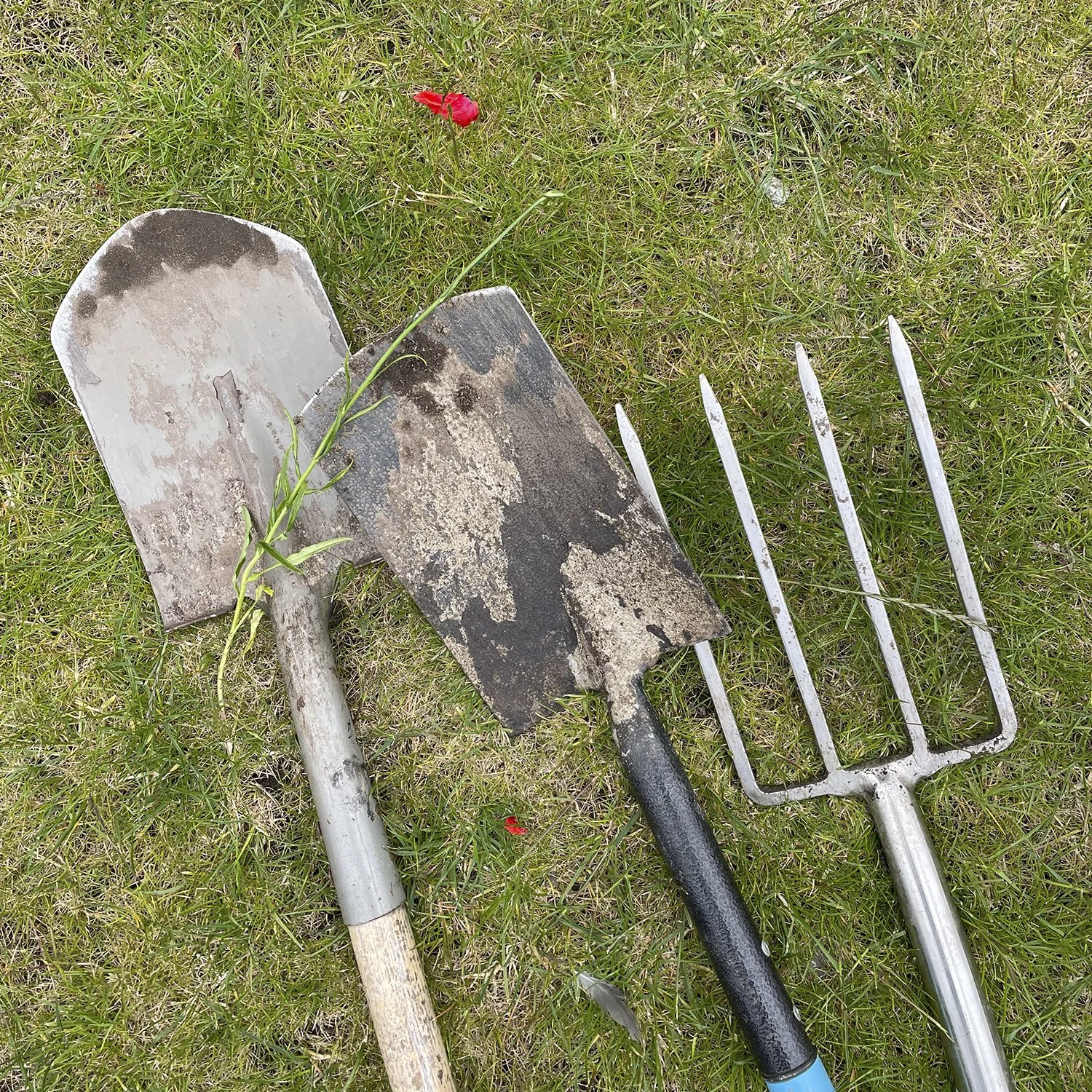
    My fork.

    What is the most exciting thing about community food growing?

    Being with similarly minded individuals who are really happy to have a go and laugh a lot in the rain.

    Tell us what’s next for your project? What are your plans and dreams for the future?

    We hope to double our veg production this year so we can help more people who are on limited means. We are hoping to build our community cafe and garden centre and roll out our training programme.

    Where can we find out more about your project?

    People are very welcome to join us on our open days – and information on the Emmaus Merseyside web page.

    Click here to find out more.
     

  • Filming Your Growing Project

    Filming Your Growing Project

    You’ve got a garden bursting with people, produce and positivity but how do you share that with the rest of the world? Filming your project is a great way to communicate with your community, funders, supporters and stakeholders and doesn’t need to be a job for the pros. Smart phones are a great way to shoot simple, effective footage and make great short films… and it can be a whole lot of fun!

    We’ve teamed up with the amazing Groundwork to share some top tips for making your own films. Good luck!

    Here are our top 10 filming tips…

    1. A smart phone will give you excellent quality film footage, expensive cameras are great but not always necessary.

    2. Think about where you’ll be using the film. If it’s for social media you might want to film in portrait, if you are planning to share your film online or on screen then shoot in landscape.

    3. Make a simple plan – what story you are trying to tell? What footage will you need to tell this story successfully?

    4. Instagram and Facebook Reels features give you easy access to simple editing software so you can hone you skills.

    5. Take more footage than you think you need – you can always edit it down – but it gives you more scope to be creative.

    6. Make sure your phone battery is fully charged and is on silent before filming.

    7. Do you plan to have sound or interviews in your film? Test your phone mic, try a hands free kit or buy a cheap microphone. Sounds quality is super important.

    8. Vary your shots. Close ups, action shots, from above, from below, slow mo and time lapse.

    9. Keep it steady – experiment with how to keep your camera steady. Tripods are great but you can also use walls, posts and your own body to reduce camera shake.

    10. Have fun! Explore colour, shadows, movement and patterns within your film.

  • Plot to Plate – Smashed Beans on Toast

    Plot to Plate – Smashed Beans on Toast

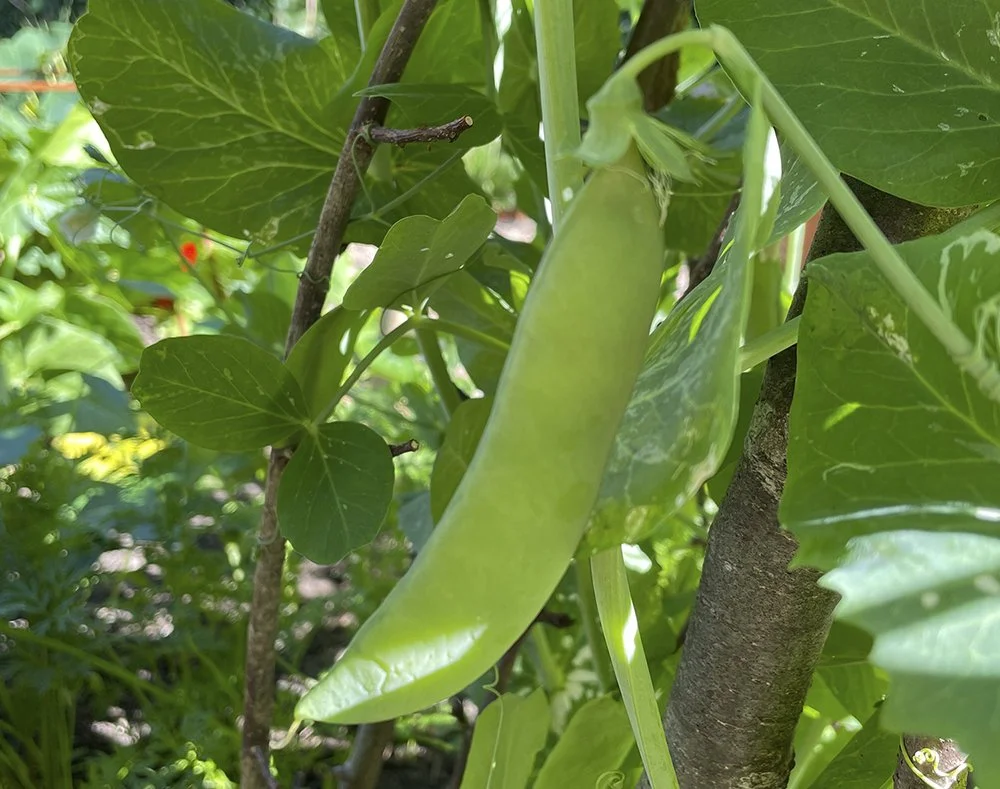
    This super simple recipe celebrates the wonderful fresh flavour of broad beans or garden peas. Don’t worry about quantities, just cook up what you’ve picked and flavour with your favourite herbs.

    1. Pod the beans or peas and boil a kettle.

    2. Pour boiling water over the peas/ beans and then leave for 1 minute.

    3. Drain and run the veg under the cold tap to keep the colour.

    4. Tip into a bowl and use a potato masher to start squashing the vegetables into a rough paste.

    5. Add salt, pepper and lots of mint or basil.

    6. Add a splash of oil to bring it together and a squeeze of lemon juice.

    7. Toast some bread.

    8. Rub the bread with a clove of garlic, then pile the green bean/ pea mix on top.

    9. Another drizzle of oil and eat!

  • Empowering Communities Through Environmental Action

    Empowering Communities Through Environmental Action

    Groundwork is a federation of charities mobilising practical community action on poverty and the environment across the UK. They are passionate about creating a future where every neighbourhood is vibrant and green, every community is strong and able to shape its own destiny and no-one is held back by their background or circumstances. Here they share with us their new policy focussing on the empowerment of communities through environmental action.

    “The consequences of the climate and nature emergencies for our quality of life are becoming more real by the day – with those who have least being impacted first and worst by floods, extreme heat, and air pollution.“

    Taking a community centred approach to policy and practice will be vital to ‘levelling’ up, addressing health inequalities and supporting a just transition to a low carbon economy.

    Groundwork is expert in achieving community development through environmental projects and, through our forty years of experience, we have identified key ingredients for successful community environmental projects: longevity, creating a ‘hub’, acting as mediators and capacity builders, offering a variety of activities, and being able to draw on a skilled workforce.

    ‘From the Ground Up: empowering communities through environmental action’ is the latest policy report from Groundwork and reflects on the range of work underway across our network to support local community action and, through interviews with those involved, draws lessons about what works and why.

  • Growing Stories – The Florrie

    Growing Stories – The Florrie

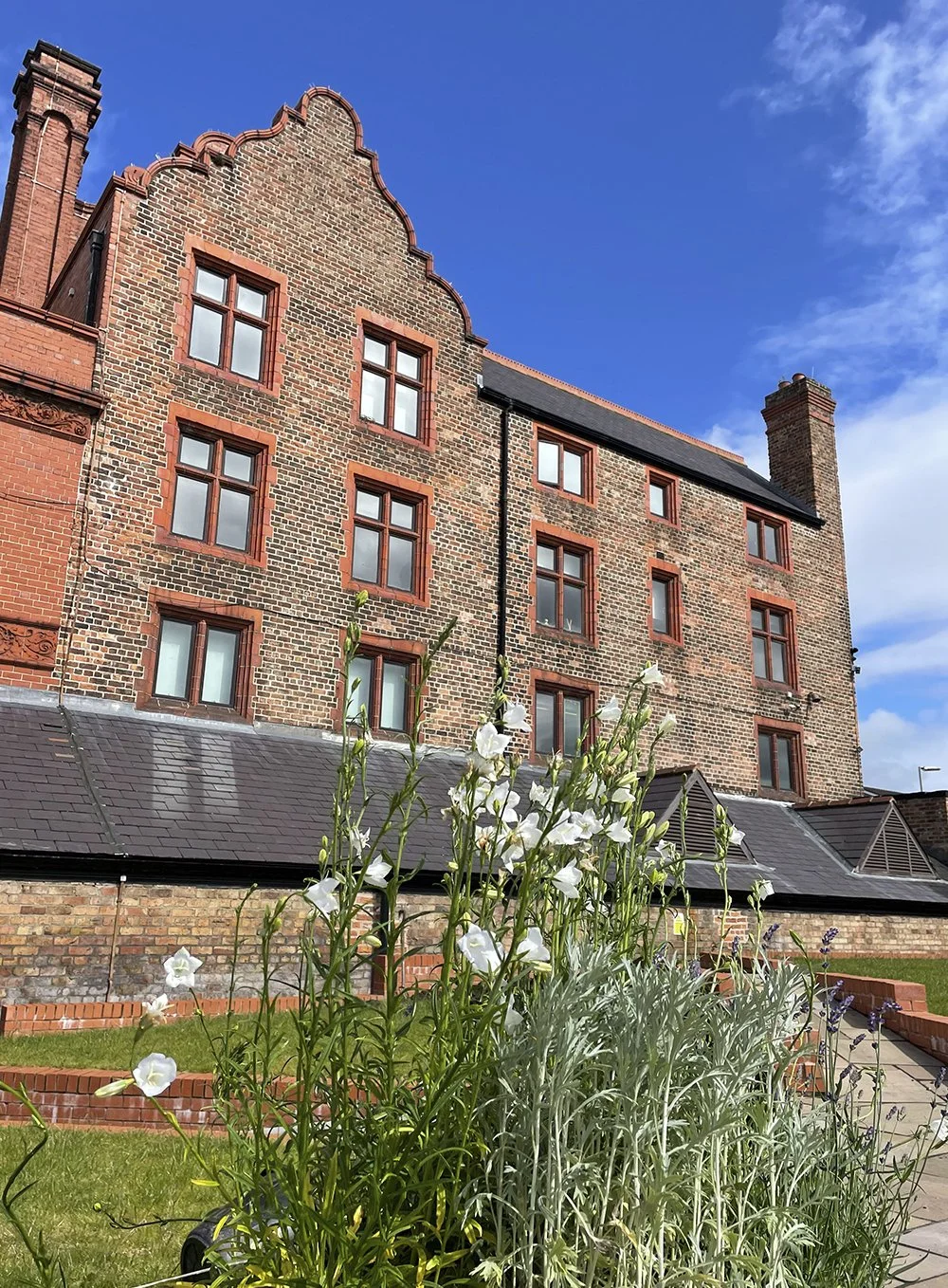
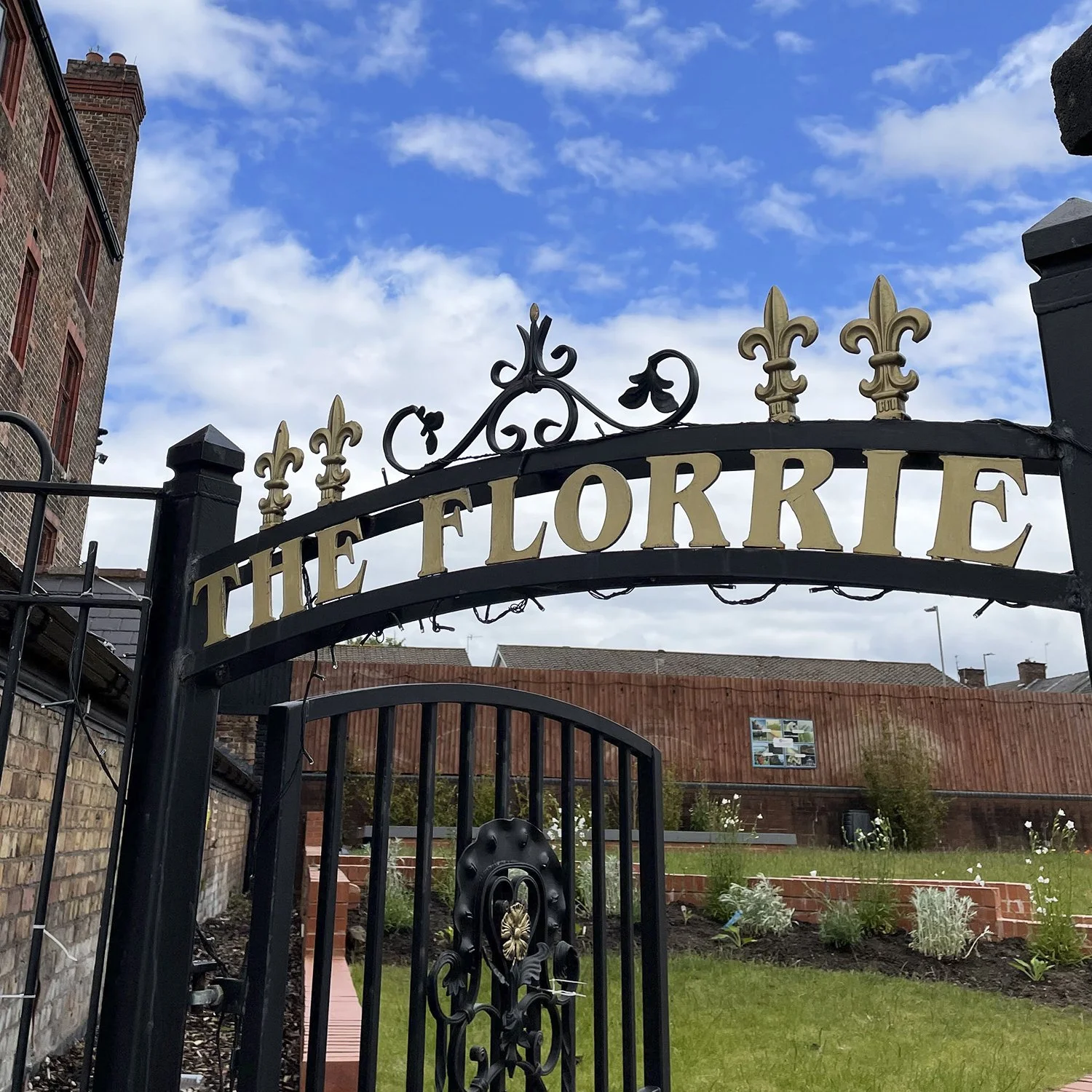
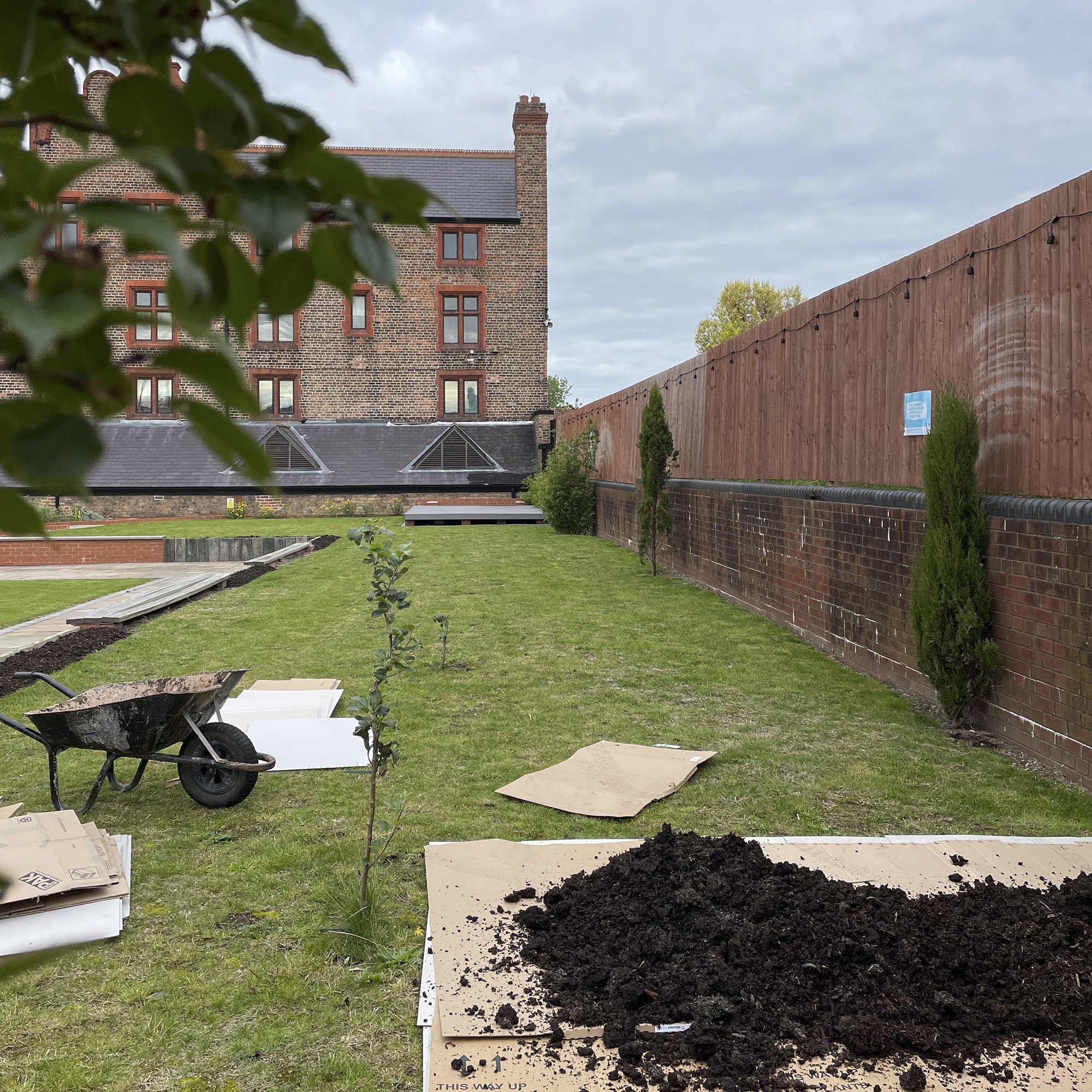
    Each month we take a trip to one of the network’s amazing growing projects to find out a bit more about the plot, the people, the harvests and the hopes. This month we are catching up with the gardeners at The Florrie, a Liverpool institution in the heart of the Dingle. Kirsty Thomas moved into an office overlooking the newly built garden in the the winter of 2022 and decided there was work to be done. The Florrie Garden Club was set up in Spring of this year to turn the space into a productive food growing space for the whole community.

    “Speak to everyone that passes by…
    they might be your next gardener, cook or customer.”

    What is your growing project called? And where can we find you?

    The Florrie Garden, we are part of the amazing Florence Institute on Mill Street in the heart of the Dingle.

    Tell us a bit about your project… what do you grow, how many people are involved, who uses your produce?

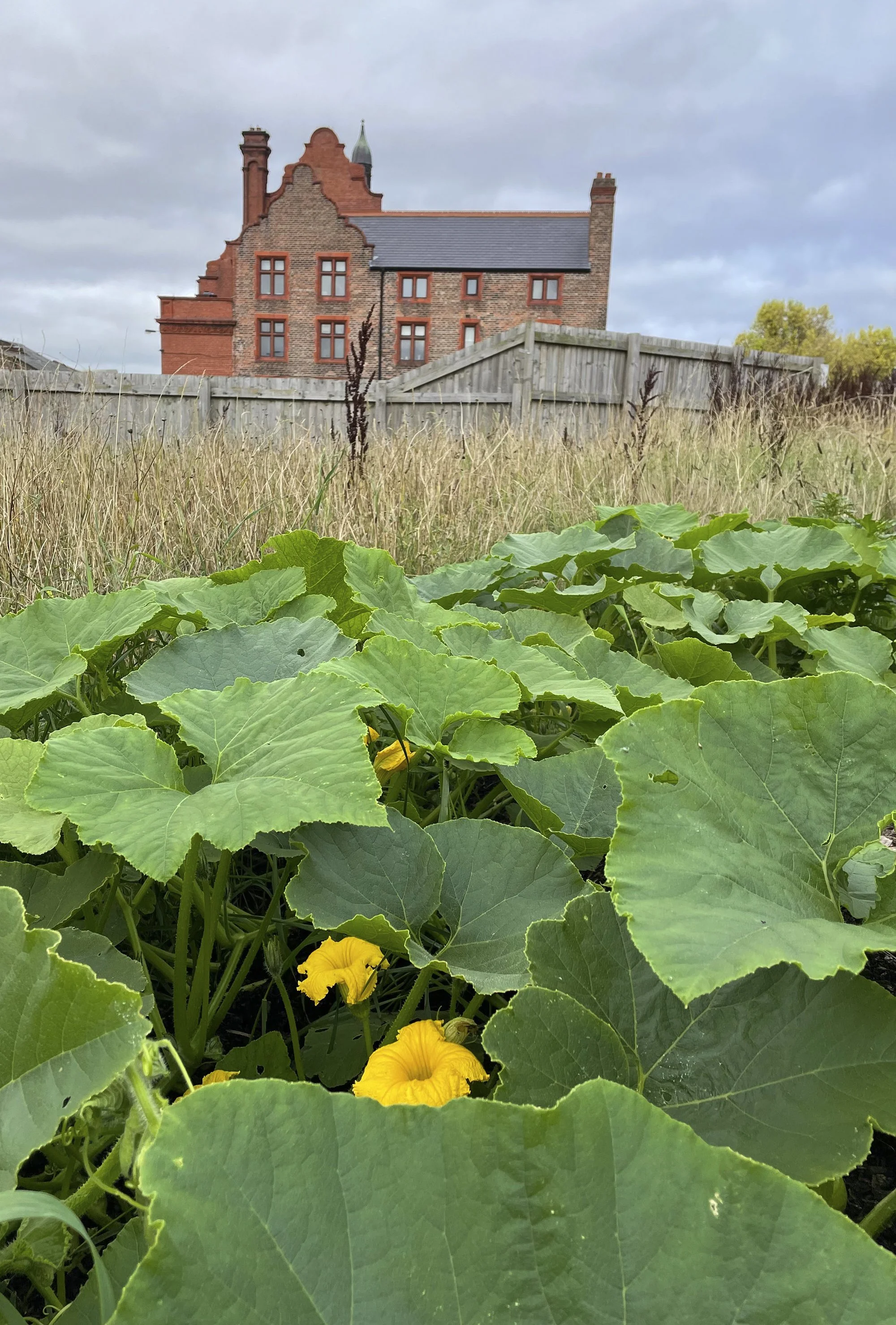
    We are a super new project and this year started by renovating some underused borders and filling them with a mix of fruit bushes and vegetables. We have just been given the go ahead to expand our growing space and have plans to fill the space with “useful” plants – veg, fruit, herbs, edible flowers, wildlife plants, dye plants and more. We are a small team of 4 or 5 volunteer gardeners but are looking for lots more people to get involved. Come join us!   

    How long has your project been running?

    We started in Spring 2022.


    What activities do your volunteers and workers take part in?

    We have been clearing weeds, shaping new borders, planting, weeding, and propagating. We have just started to install a huge no-dig bed for next season which involved a lot of compost moving!

     “I have met so many amazing people of all ages,
    from all walks of life and from all over the world.”

    What would be your 3 top tips for starting a food growing project?

    1. Dream big but break things down into smaller manageable chunks.

     2. Speak to everyone that passes by – they might be your next gardener, cook or customer.

     3.  Don’t be afraid to ask for favours – lots of people are really happy to donate materials or support community gardens. Just ask nicely!


     What is your favourite food to grow?

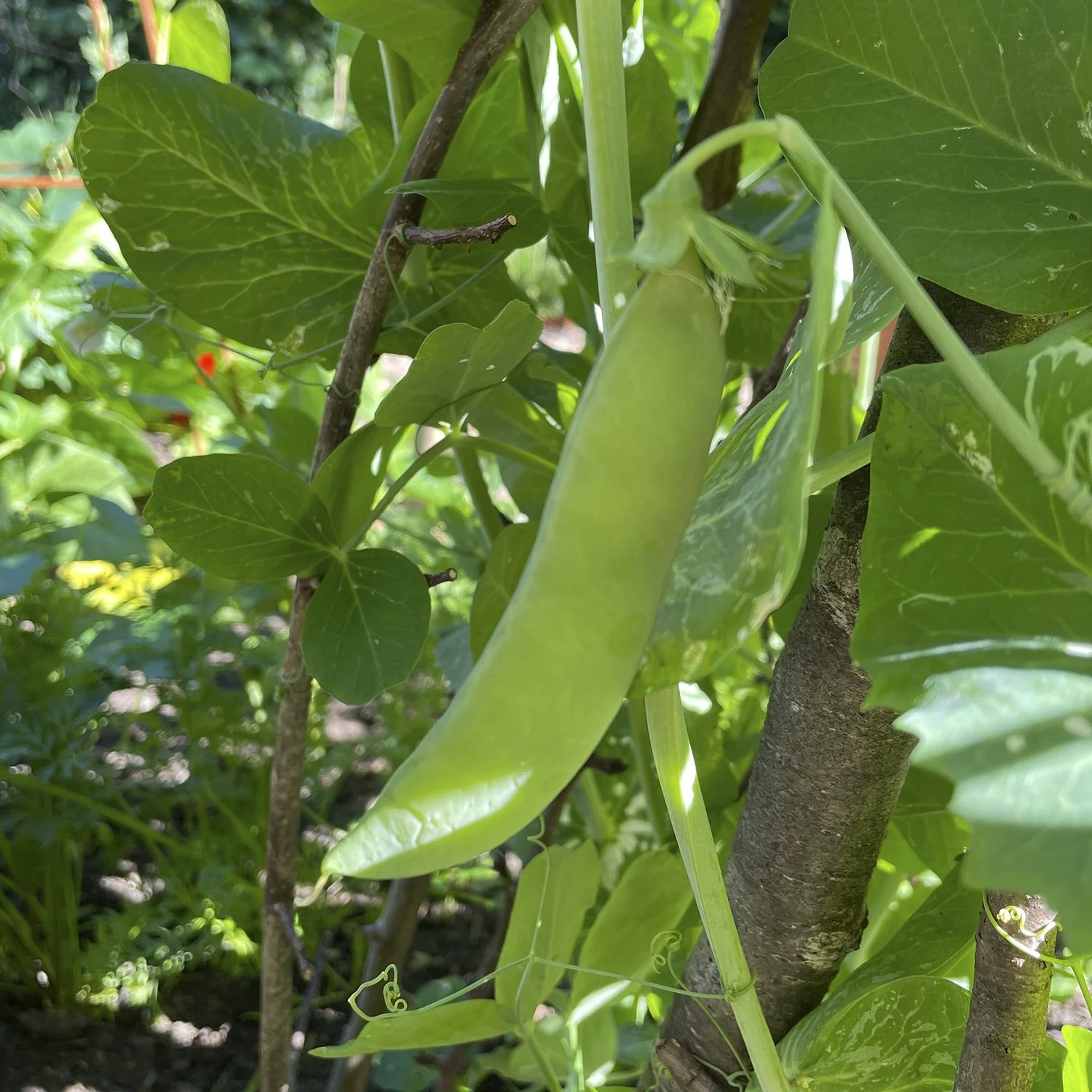
     I love growing peas – I have very fond memories of podding peas with my dad in the garden.


    And what garden tool could you not live without?

    My pocket knife – useful for so many things.

    What is the most exciting thing about community food growing?

    The people! I have met so many amazing people of all ages, from all walks of life and from all over the world.


    Tell us what’s next for your project? What are your plans and dreams for the future?

    We are about to plant lots of fruit and nut trees, put in loads of flower and herb beds and are working with pupils in the local primary and secondary schools to design and build loads bird and insect habitats. It’s an exciting time! We are also looking for more people to volunteer – no experience needed!


     To find out more about The Florrie Garden click here.